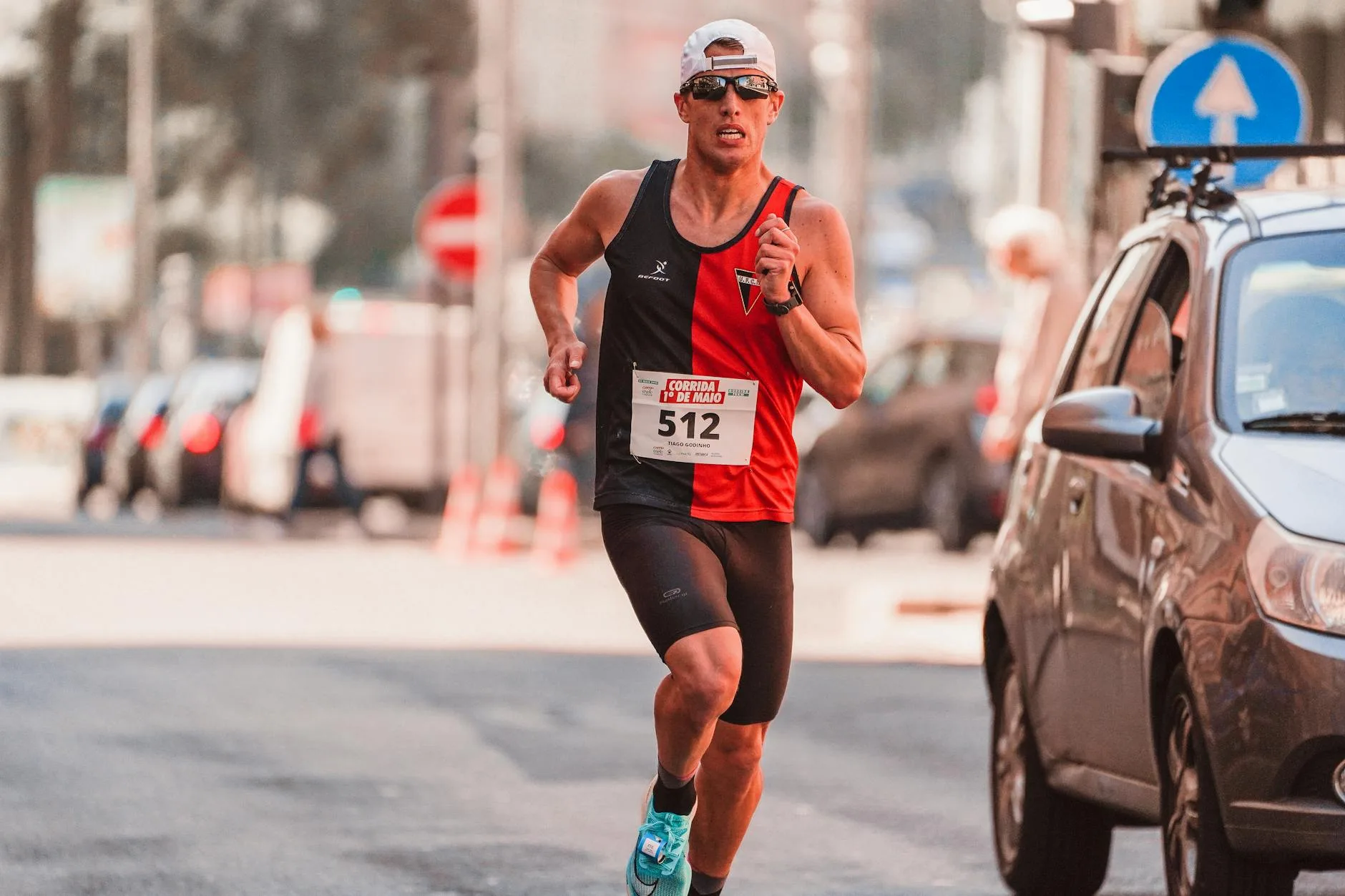
Photo by RUN 4 FFWPU on Pexels
Ten kilometres. It sounds manageable until you’re standing at the start of week one, wondering whether you can run for five minutes without stopping. That’s where most beginners actually are — and that’s exactly where this plan starts.
This 8-week 10k training plan assumes you’re new to running. Maybe you’ve done a bit of jogging here and there, maybe you’ve finished a Couch to 5K and want the next challenge, or maybe you’ve signed up for a race and now you need a plan that actually tells you what to do each day. Whatever got you here, the goal is simple: get you to the 10k finish line feeling like you earned it, not like you survived it.
What you’ll find below is a week-by-week schedule, honest pace guidance, and some straight talk about what to do when training doesn’t go to plan — because at some point, it won’t.
Are you ready to start this plan?
Before week one, do a quick honest check. This plan works best if you can already run (or run/walk) for around 20–25 minutes without stopping, or if you’ve recently completed a programme like Couch to 5K. If you’re starting from zero — genuinely zero — give yourself another 3–4 weeks of easy run/walking before beginning here.
You don’t need to be fast. You don’t need expensive kit. You need a pair of shoes that fit, three days a week you can commit to, and the willingness to run slower than you think you should.
How the plan is structured
Three runs per week. That’s it. Research consistently shows that for beginners, three quality sessions beat five rushed, tired ones. You’ll have at least one rest day between each run, which matters more than you might think — your body adapts to training during recovery, not during the run itself.
The three weekly session types:
- Easy run — conversational pace. You should be able to speak in full sentences. If you’re gasping, slow down.
- Midweek run — slightly longer than the easy run, still comfortable, sometimes with short pace pickups in later weeks.
- Long run — the weekly anchor. Slower than your easy pace, building distance week by week.
Paces below are rough guides based on a target finish time of around 65–75 minutes for your first 10k, which is realistic for most beginners. If you’re faster than that already, the structure still holds — just adjust accordingly.
| Session type | Approximate pace (min/km) | How it should feel |
|---|---|---|
| Easy run | 7:30–8:30/km | Comfortable, conversational |
| Midweek run | 7:00–8:00/km | Slightly more effort, can still talk |
| Long run | 8:00–9:00/km | Slow and steady — this is not a race |
| Walk breaks (if needed) | N/A | No shame. Use them. |
The 8-week plan, week by week
Week 1
– Run 1: 20 min easy
– Run 2: 25 min easy
– Run 3 (long): 30 min easy
Week 2
– Run 1: 22 min easy
– Run 2: 25 min easy
– Run 3 (long): 35 min easy
Week 3
– Run 1: 25 min easy
– Run 2: 28 min easy
– Run 3 (long): 40 min easy
Week 4 — cutback week
– Run 1: 20 min easy
– Run 2: 22 min easy
– Run 3 (long): 30 min easy
Week 4 is deliberately easier. Don’t skip it. Cutback weeks prevent the accumulation of fatigue that leads to injury and burnout.
Week 5
– Run 1: 28 min easy
– Run 2: 30 min with 2 × 5 min at slightly quicker effort (not a sprint — just push a little)
– Run 3 (long): 45 min easy
Week 6
– Run 1: 30 min easy
– Run 2: 32 min with 3 × 5 min at comfortably hard effort
– Run 3 (long): 50 min easy
Week 7
– Run 1: 30 min easy
– Run 2: 35 min with 2 × 8 min at comfortably hard effort
– Run 3 (long): 55–60 min easy
Week 8 — race week
– Run 1: 25 min easy (Monday or Tuesday)
– Run 2: 20 min very easy with 4 × 30 sec strides (Wednesday)
– Race day: your 10k (aim for the weekend)
Pacing on race day — don’t go out too fast
This is where most first-timers unravel. The crowd, the adrenaline, the fact that it finally feels real — all of it conspires to make you set off at a pace you absolutely cannot sustain for 10 kilometres.
If your training long runs have been around 8:30–9:00/km, target 7:30–8:00/km for the first 3km of the race. It will feel almost too easy. That’s correct. The second half of a 10k is where your pacing decisions in the first half either reward or punish you.
A useful rule: if you feel strong at 7km, you can pick it up. If you feel strong at 4km, you started too slow. If you feel like you’re going to have to stop at 4km, you started too fast.
What to do when life gets in the way
Missed a run? Miss two? The plan isn’t ruined. Here’s a simple framework:
- Miss one run in a week: skip it, carry on with the remaining sessions as planned.
- Miss a full week: drop back one week in the schedule and repeat it.
- Miss two or more weeks: go back two weeks in the plan and rebuild.
Don’t try to cram missed runs together. Running three days in a row when you’re a beginner is a fast track to shin pain or worse. According to NHS guidance on physical activity for adults, building gradually and allowing recovery is the foundation of safe exercise progression — and that applies equally to running.
Also worth saying: if you’re tired, genuinely tired from work or life or poor sleep, an easy run done at 8:30/km is not a failure. It’s smart training.
Breathing, injury niggles, and when to worry
Two common beginner experiences: (1) feeling completely out of breath in the first few minutes, and (2) aches in the shins or knees.
On breathing — it often settles after 5–8 minutes as your body adjusts. If you’re gasping throughout, you’re running too fast. Slow down until you can speak five or six words comfortably. Learning to breathe properly while running can make a noticeable difference even in your first few weeks.
On niggles — some muscle soreness is normal, especially in the first two weeks. Sharp pain in a joint or tendon is not. If your shins are aching after every run, don’t push through and hope for the best. Take two extra rest days and see if it settles. Most beginner shin issues respond well to rest, easier pacing, and not increasing distance too quickly.
According to research published via the British Journal of Sports Medicine, the majority of running injuries in beginners are overuse-related and directly linked to increasing mileage too fast. That’s why the plan above builds slowly and includes a cutback week — not because it’s cautious, but because it works.
Beyond 10k — where do you go from here?
Finishing your first 10k changes how you see yourself as a runner. Give yourself a week of easy running or rest after race day, then decide what’s next. Some runners want to get faster at the same distance. Others catch the distance bug and start thinking about half marathons.
Either path is valid — and both are worth planning properly. Jumping straight from beginner 10k training into a half marathon build without a proper base often ends in injury or burnout.
The honest takeaway
- Start slower than you think you need to. Most beginner training fails not because the plan is wrong but because the pace is too ambitious from day one.
- Three runs a week is enough. Don’t add extra sessions just because you feel good in week two — the plan is designed with recovery built in.
- A cutback week is not optional. Week 4 exists for a reason. Skipping it to “stay on track” usually means falling off track by week 6.
- Missing a run doesn’t mean starting over. Adjust, continue, finish. Consistency over eight weeks matters more than any individual session.
- Race day pacing is the skill. All the training in the world won’t help if you go out at 6:30/km because the first kilometre felt great. Run the first 3km conservatively and trust the work you’ve put in.
Next read: From 10k to something longer: the intermediate 10k plan