How to run your first parkrun: tips for nervous beginners

Nervous about your first parkrun? Here’s exactly what to expect, what to wear, and how to get round without worrying about being last.
Structured plans to take you from where you are to where you want to be
Nervous about your first parkrun? Here’s exactly what to expect, what to wear, and how to get round without worrying about being last.
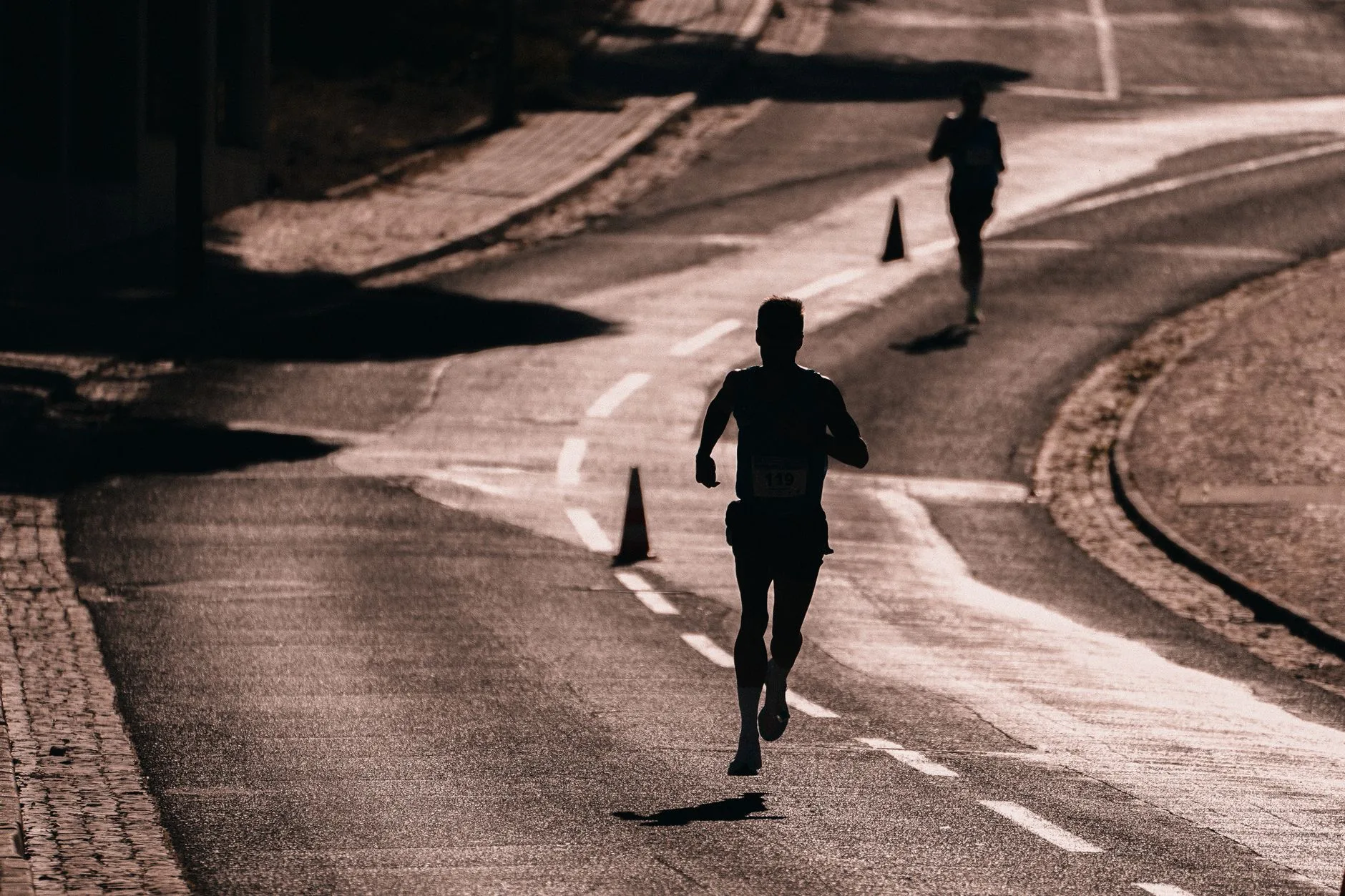
Learn how to run a marathon without hitting the wall using proven pacing, fuelling and training strategies for everyday runners, not elites.
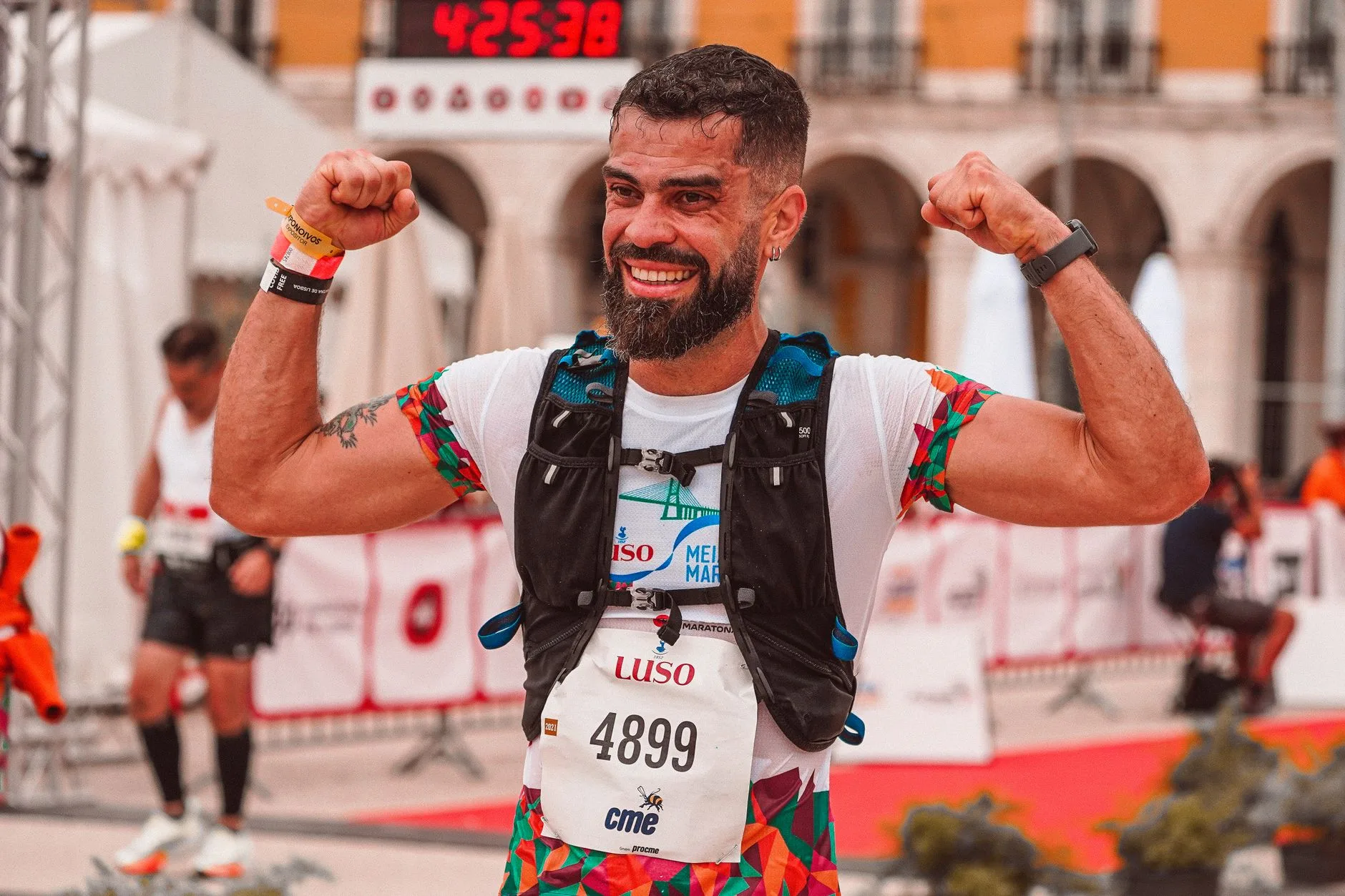
A day-by-day half marathon taper guide: what to do (and skip) the week before race day, from mileage cuts to carbs to sleep.
A realistic, week by week marathon recovery plan — what to do (and not do) in the days and weeks after 26.2 miles.

How to join a running club as a beginner — what the first session is really like, how to pick one, and what nobody tells you about pace groups.

Not sure how to pick your first running race, 5k 10k or half? Match the distance to your fitness, time and life right now.
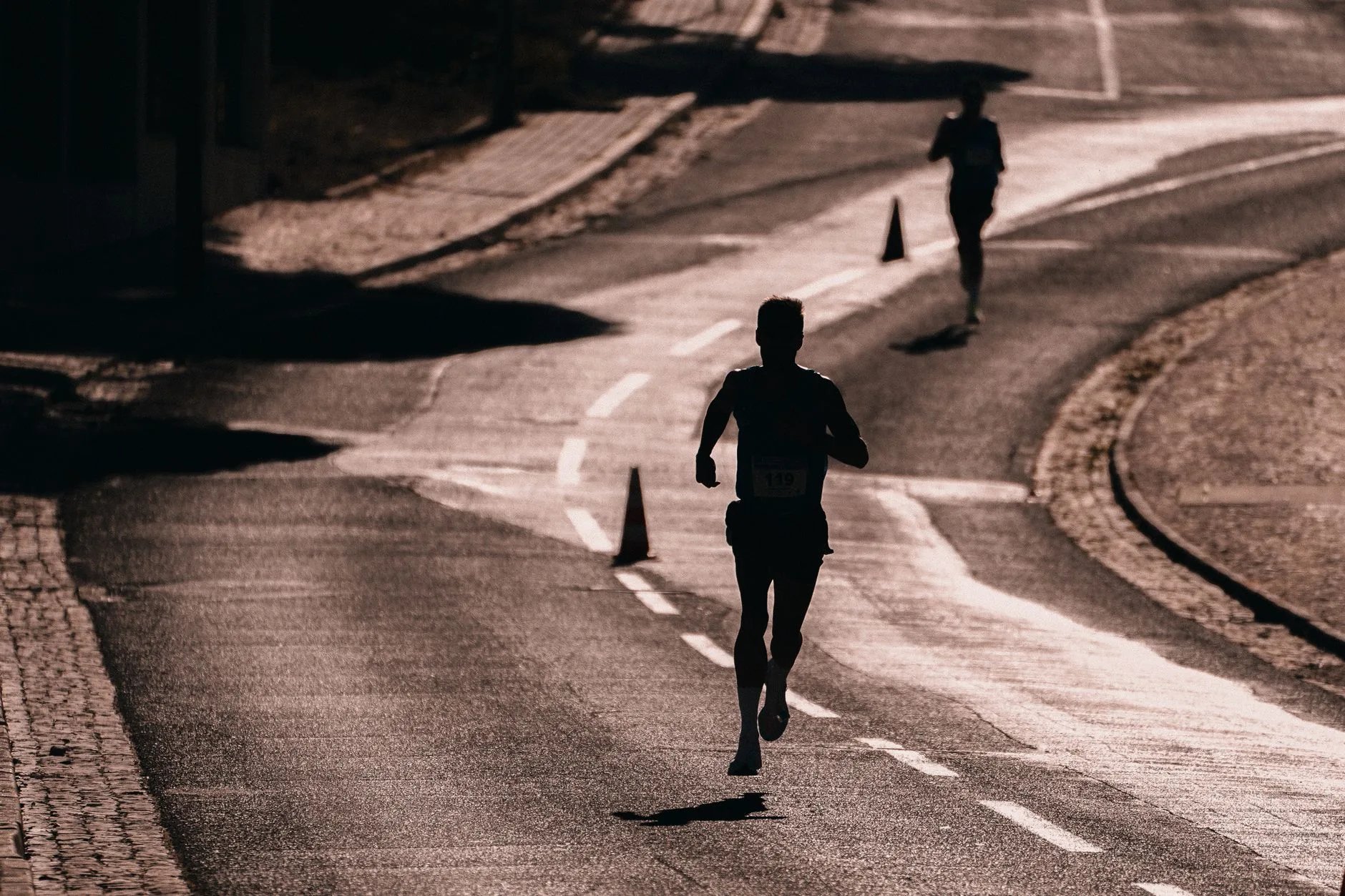
A practical guide to choosing a marathon training plan that suits your life — your schedule, your history, your body — not someone else’s.

A clear race day checklist for beginner runners covering gear, fuel, pacing and nerves — everything to pack and do before your first start line.
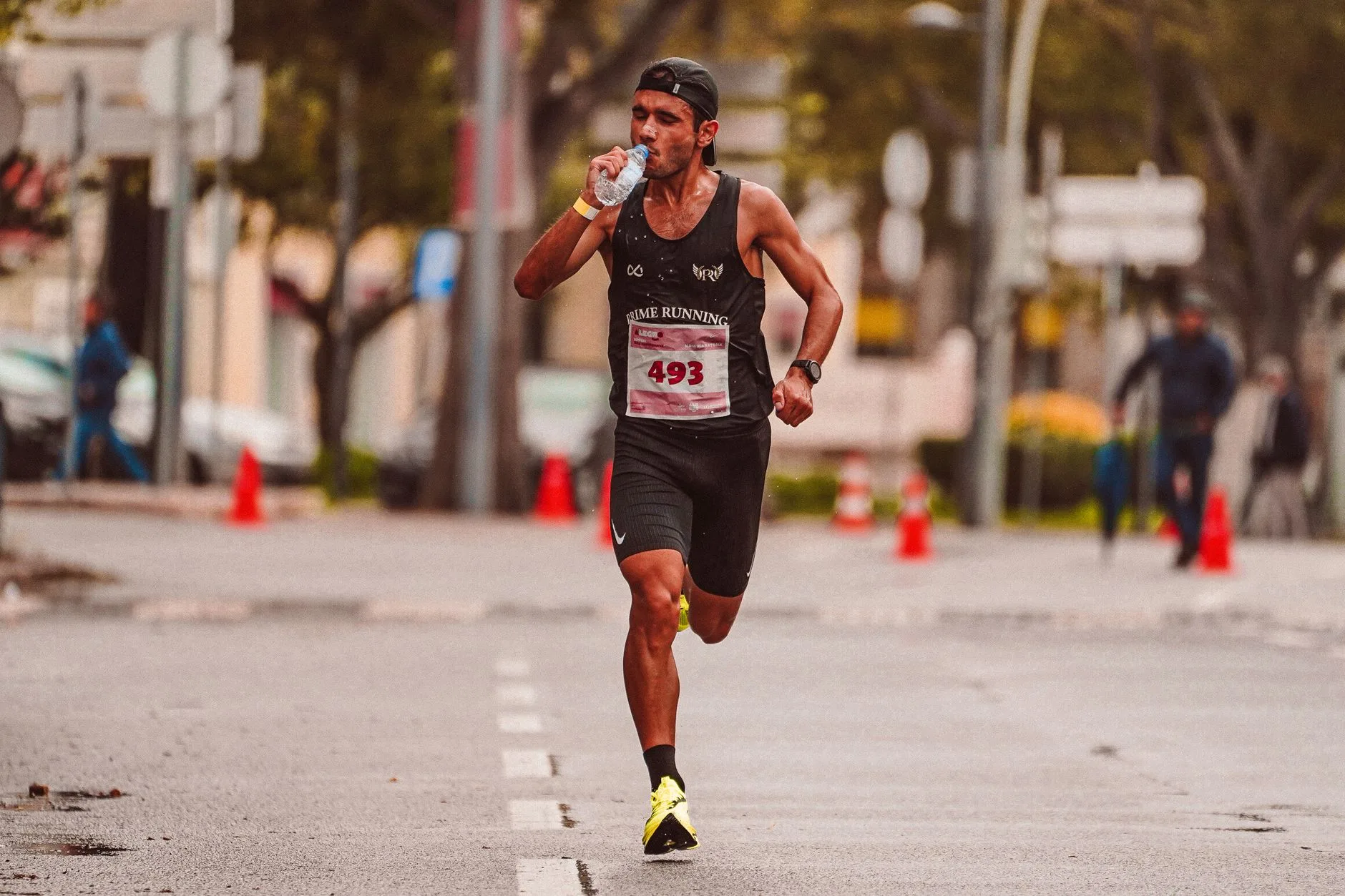
A practical marathon nutrition plan: when to take gels, how much carb per hour, what to drink, and how to avoid the wall at mile 18–20.
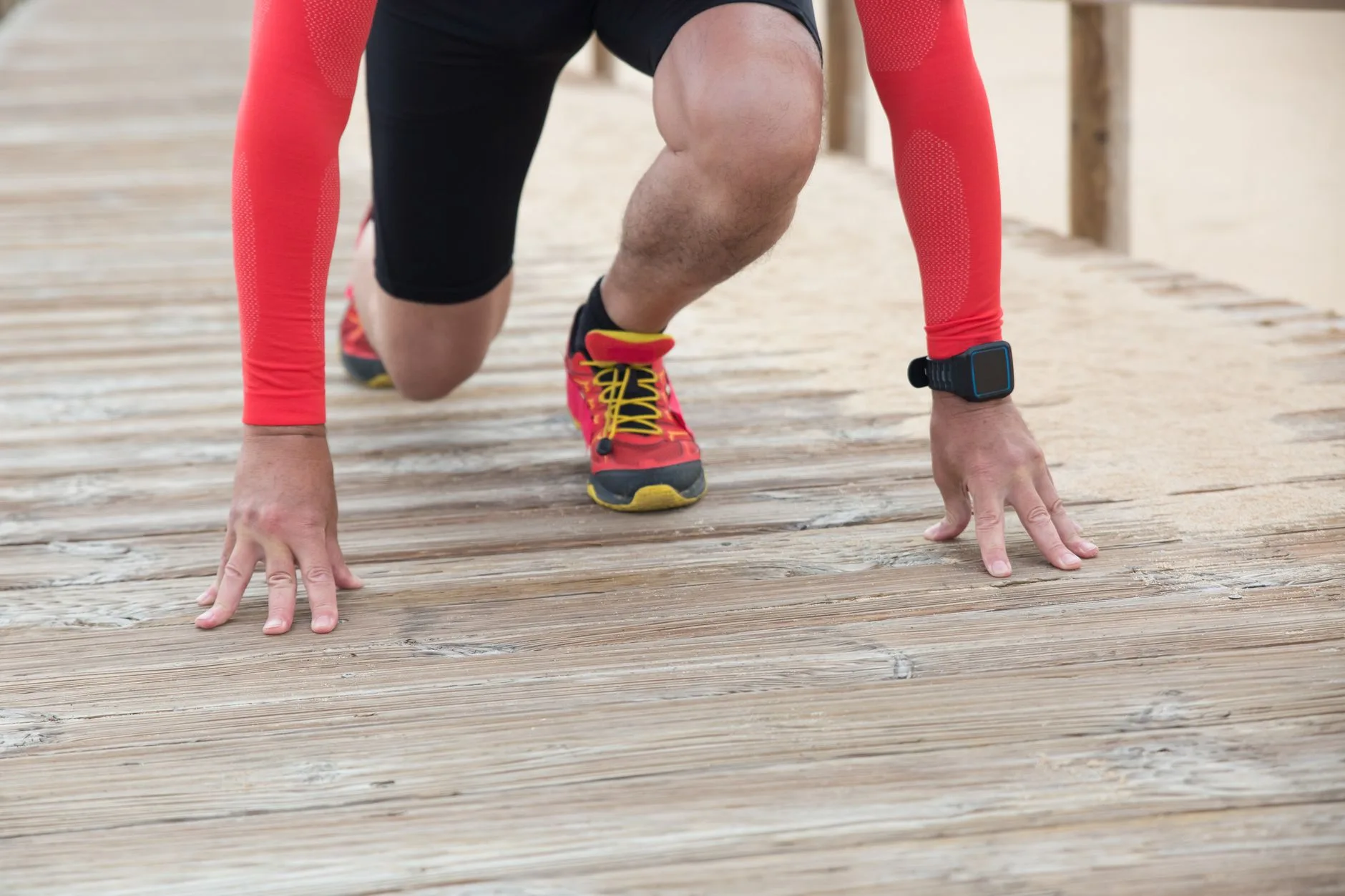
A practical interval training for beginners guide: paces, session structures, and how often to do speed work without getting hurt.