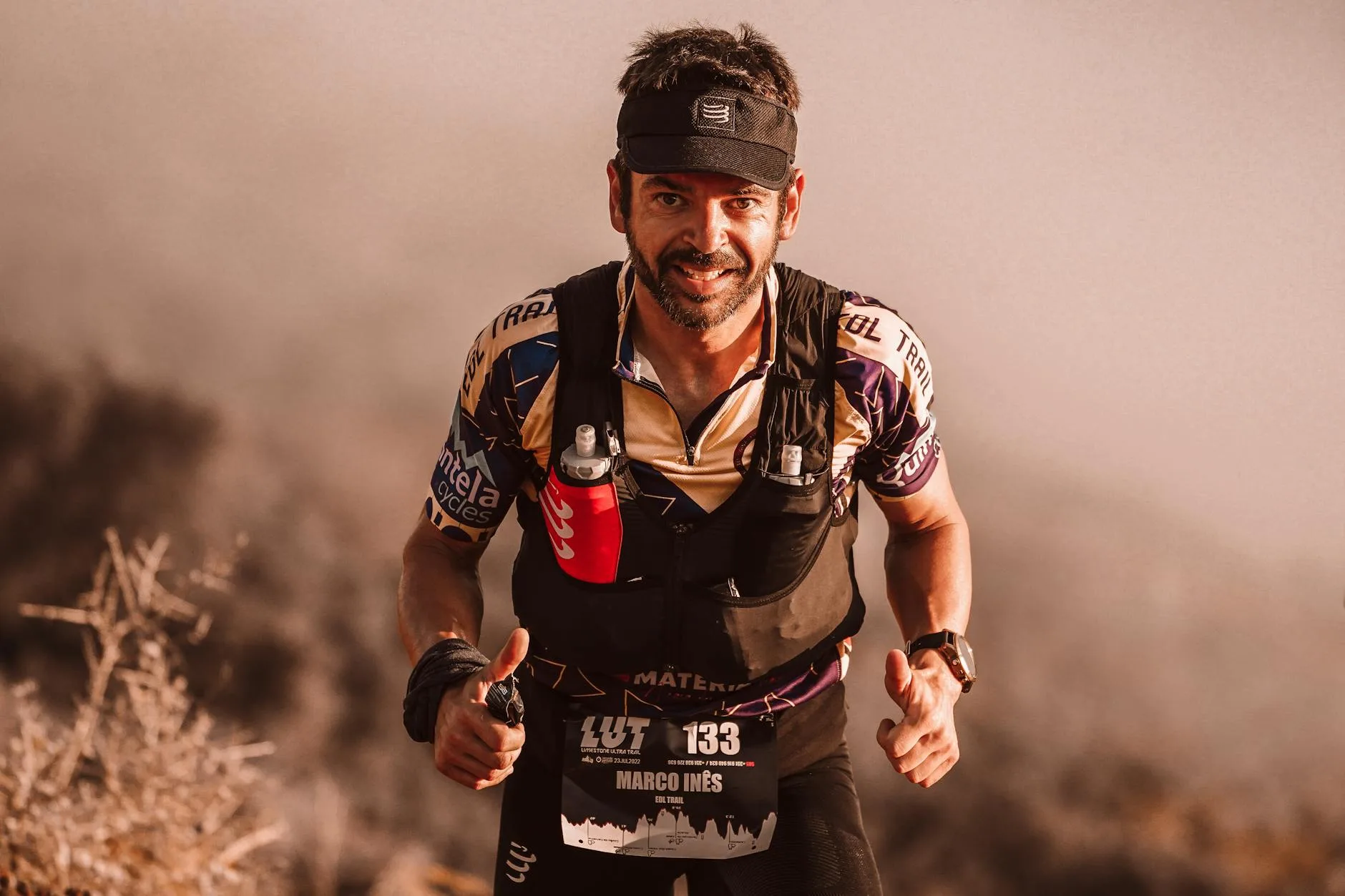
Photo by RUN 4 FFWPU on Pexels
You’ve done the training. Your longest runs are in the bank, your drop bag is half-packed, and somewhere between excitement and mild terror, you’re wondering if you’ve actually prepared for what’s about to happen. That feeling is normal. Almost everyone standing on an ultra start line — even second and third-timers — has it.
What makes an ultramarathon different from a marathon isn’t just the distance. It’s the duration. You’re going to be on your feet for hours longer than anything you’ve ever done in a race. Things will go wrong. You’ll probably feel terrible at some point, then better, then terrible again. The runners who finish aren’t necessarily the fittest — they’re the ones who manage that process without making catastrophic decisions.
This guide is about race day specifically: what to do from the morning you wake up to the moment you cross the finish line. Not training theory. Not gear reviews. Practical, specific information to help you make good decisions when you’re 35 miles in and your brain starts lying to you.
The night before: set yourself up properly
Keep your pre-race meal simple and familiar. Now is not the time to try a new restaurant or eat something exotic. A carbohydrate-based meal you’ve eaten before training runs — pasta, rice, potatoes — eaten around 3–4 hours before you plan to sleep is the standard approach. Don’t overeat trying to “load up”; you’ve been fuelling for days already. Drink enough water that your urine is pale straw-coloured before bed, then stop obsessing about hydration.
Lay everything out. Drop bag packed and labelled, kit for the morning set out, watch charged, poles (if you’re using them) assembled. Write a short list of what you’re eating at each aid station if your race is long enough to have a strategy. Then try to sleep, knowing that one bad night’s sleep before a race won’t meaningfully affect your performance. It feels like it will. It won’t.
Set multiple alarms. Not because you’re likely to sleep through one, but because waking up naturally in a panic at 3am wondering if you’ve slept in is worse.
Morning routine: give yourself more time than you think you need
Get up at least 2.5–3 hours before the start. This isn’t about being anxious — it’s about giving your body time to wake up properly and eat something. Most ultra runners aim to eat a proper breakfast 2–3 hours before the gun: oats, toast with peanut butter, eggs, banana — whatever sits well with you. Test this during your long training runs, not on race day.
Use the bathroom before you leave for the start. Then again when you arrive. Porta-loos at ultra start lines are busy and there is almost always a queue. Factor this in.
Apply anti-chafe balm generously. Thighs, underarms, nipples (if relevant), any spot that rubs. Then apply a bit more. You’ll be moving for 6, 10, 14+ hours — even tiny irritations become significant problems over that kind of duration. Blisters are also a serious risk; wear socks that you know work, and consider Injinji toe socks or double-layer options if you’ve had blister problems in training.
Pacing: the most important decision you’ll make
Go out slower than feels right. Seriously. In the first hour of an ultra, you will feel good. The adrenaline, the crowd, the fresh legs — everything will tell you to push. Don’t.
The single biggest mistake first-time ultra runners make is running the early miles at marathon effort. You pay for it with compound interest from mile 30 onwards.
A useful rule of thumb: if you’re running a 50K (31 miles), your pace in the first quarter should feel almost embarrassingly easy. If you’re targeting a 7-hour finish, you need to average roughly 13.5 minutes per mile — but that’s an average that includes stops, hiking climbs, and the inevitable slow patches later. Running the first 10 miles at 11:00/mile feels fine in the moment and quietly destroys you later.
| Race distance | Typical first-timer finish window | Suggested early-miles strategy |
|---|---|---|
| 50K (31 miles) | 6–9 hours | Start 45–60 sec/mile slower than your target avg |
| 50 miles | 10–16 hours | Power-hike any hill over ~8% gradient from the start |
| 100K (62 miles) | 15–22 hours | Treat it as a day hike with running sections in between |
| 100 miles | 24–36 hours | Walk more than you think. Eat constantly. Rest if needed. |
Power-hiking uphills is not giving up. It’s a skill. On anything over a gentle incline, hiking uses less energy than running for only marginally less forward progress. Fast hikers often overtake runners on climbs while expending far less effort.
Fuelling: eat before you’re hungry, drink before you’re thirsty
The rule sounds obvious but it’s easy to forget when you’re focused on moving. In an ultra, you need to be actively consuming calories throughout — not just at aid stations, not just when you feel like it, but on a schedule.
Aim for 200–300 calories per hour for most runners at most paces. This is lower than maximum absorption rate but sustainable over many hours. Gels work early on; real food becomes increasingly important the longer you run. Most ultra aid stations stock soup, potatoes, crackers, fruit, peanut butter sandwiches and similar — your stomach can often handle these better than gels after several hours of running. The NHS guidelines on carbohydrate intake during endurance exercise suggest 30–60g of carbohydrate per hour for exercise lasting over 90 minutes, scaling upward for longer efforts.
Sodium matters in ultras more than in shorter races. Sweat loss over many hours depletes sodium significantly, and drinking plain water without replenishing electrolytes can lead to hyponatremia — dangerously low blood sodium. This is a real risk in longer ultras, particularly in warm conditions. Use electrolyte tabs or capsules, salty snacks at aid stations, or a sports drink that contains sodium.
Don’t experiment with new foods on race day. Whatever you’ve been using in training, use that. Aid station food is a bonus — enjoy it — but your primary strategy should be built around what you know works for your stomach.
Aid stations: how to use them without wasting time
Aid stations feel like salvation. After hours of running, the sight of a table covered in food and friendly volunteers is genuinely emotional. But they can also swallow 15–20 minutes if you’re not careful, and over a long race those minutes add up.
Have a plan before you arrive:
- Eat and drink while you assess what you need, not after
- Refill your vest or bottles — don’t leave with less than you need to reach the next station
- Deal with anything that’s causing pain — a small blister ignored at mile 20 is a race-ender by mile 40
- Check in on how you feel — are you eating enough? Are you cold? Do you need to change kit from your drop bag?
At drop bag checkpoints specifically, resist the urge to sit down for extended periods unless you need to change shoes or sort out a genuine problem. Sitting down feels good. Getting up again is genuinely hard.
When things go wrong: managing the inevitable low points
At some point in your first ultra, you will feel terrible. This is not a sign that you’re doing it wrong — it’s just how ultras work. Energy levels, mood, and physical comfort fluctuate dramatically over many hours of running. Research published in the Journal of Sports Science and Medicine consistently shows that perceived effort and emotional state vary significantly across ultra events, even in experienced finishers.
When a low point hits:
- Eat something. A significant proportion of ultra “lows” are caused by insufficient caloric intake. Give it 20 minutes after eating before you decide anything.
- Slow down. Drop to a hike if you need to. Reducing pace dramatically reduces effort and often stabilises how you feel.
- Don’t make permanent decisions during temporary problems. DNF-ing (Did Not Finish) is sometimes the right call — but make that decision based on injury or medical concern, not because you feel bad and it’s raining and you hate everything. That feeling passes.
- Talk to someone. Aid station volunteers are experienced at dealing with struggling runners. Tell them how you feel. They’ve seen it all.
If you’ve trained for and run your first marathon and know how mental management works over long distances, the same principles apply — but stretched over a much longer timeline. Your body can handle far more than your brain will claim it can when you’re tired. This is worth remembering somewhere around mile 25 of a 50K when every thought you have is about stopping.
Kit and clothing: what to carry and what to skip
Ultras typically have mandatory kit requirements — check your specific race rules carefully. Common mandatory items include:
- Waterproof jacket with taped seams
- Emergency foil blanket
- Whistle
- First aid supplies (varies by race)
- Phone with emergency contact numbers
- Minimum water-carrying capacity (often 1–1.5 litres)
- Headtorch with spare batteries (for any race that might extend into darkness)
Beyond mandatory kit, carry what you’ve tested in training. A running vest or hydration pack is almost universal in ultras. Poles are worth considering if your race has significant elevation — they genuinely reduce leg fatigue on climbs and descents. But don’t take them if you haven’t trained with them; they’re a tool, not a magic fix.
Dress for the weather you’ll encounter at its worst point, not at the start. A mountain 50K that begins in sunshine can turn cold and wet quickly. Your waterproof jacket choice matters more in an ultra than almost any other race.
The Honest Takeaway
- Pace the first quarter like you have all day — because you do. Starting conservatively is the single best tactical decision you can make in an ultra.
- Eat on a schedule, not when you feel hungry. 200–300 calories per hour, including sodium, from the first hour onwards. By the time you feel depleted, you’re already behind.
- Aid stations are tools, not rest stops. Have a plan, deal with problems quickly, and keep moving — unless injury or medical concerns say otherwise.
- Low points are part of the race. Eat something, slow down, give it 20 minutes before making any decisions about stopping.
- You’ve already done the hard part. Race day is just executing what training has prepared you for — one mile at a time, not all at once.
Next read: How to run a trail race your first time: a practical guide