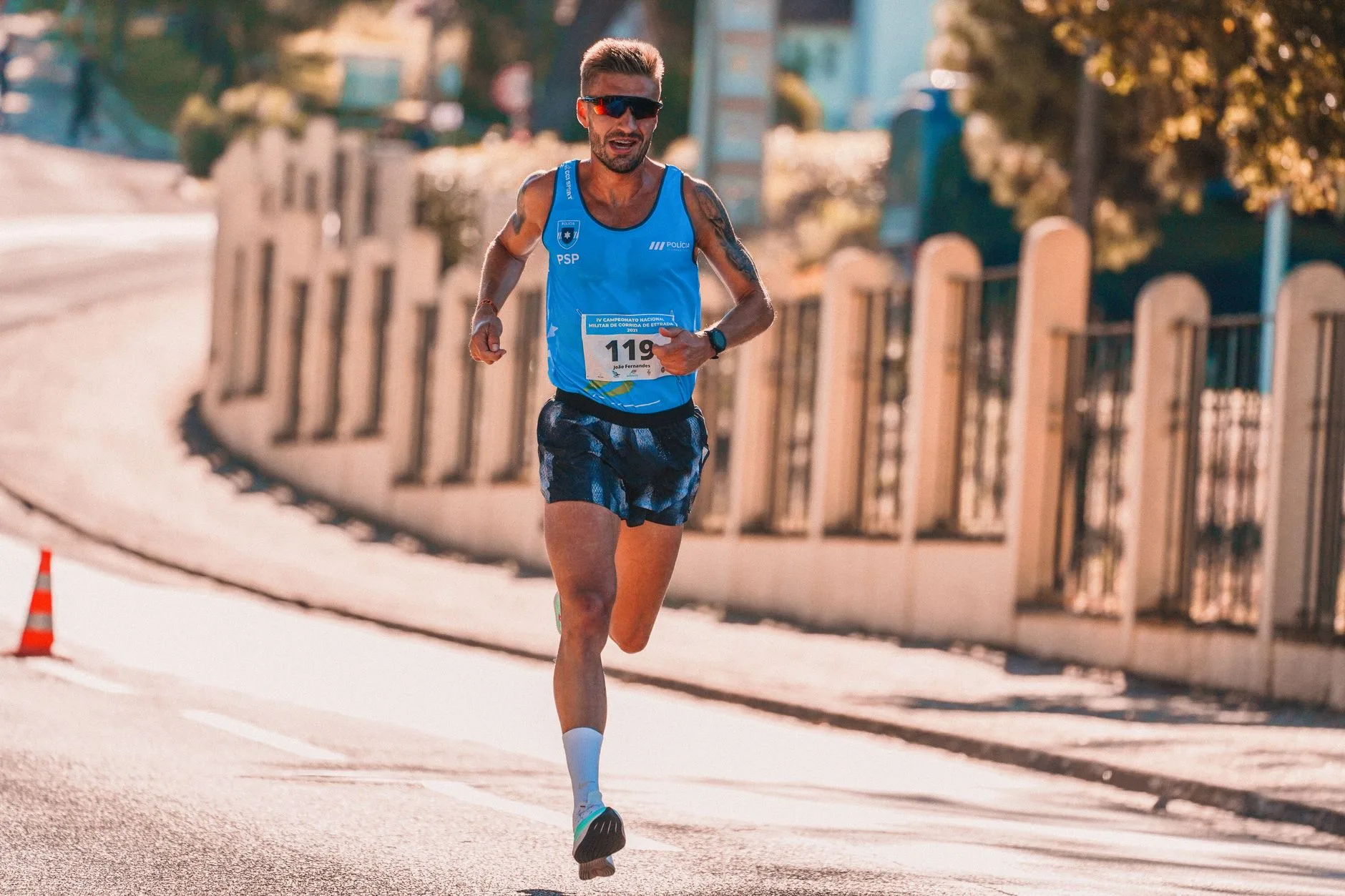
Photo by RUN 4 FFWPU on Pexels
It’s 6:45am, already 19°C, and you’re thirty seconds into your “easy” run feeling like you’re wading through syrup. Your pace is 45 seconds per km slower than normal and your heart rate is doing a number that would usually mean you’re sprinting. Nothing is wrong with you. This is just what heat does.
Most runners either push through the heat like it doesn’t matter, or avoid running altogether until autumn. Neither is necessary. Running in summer heat is manageable — it just requires different expectations and a few non-negotiable rules. The runners who struggle most are usually the ones trying to hit winter paces on a July morning. The ones who adapt early tend to come out the other side fitter, not just more tolerant of sweat.
This isn’t about grinding through discomfort for the sake of toughness. Heat stress is a real physiological load, and ignoring it can land you with heat exhaustion or worse. But it’s also not something to catastrophise. With a few adjustments, you can keep training through summer safely — and some of that heat adaptation will actually make you faster once the weather cools down.
Why heat makes every run feel harder (even when it isn’t)
When it’s hot, your body is doing two jobs at once: pumping blood to your working muscles and pumping blood to your skin to cool you down. That’s a bigger ask on your cardiovascular system than running in 10°C, even at the exact same pace. Your heart rate climbs, your perceived effort climbs, and your actual pace usually drops — often without you consciously deciding to slow down.
This isn’t weakness or fitness loss. It’s physiology. A useful mental shift: stop looking at pace on hot days and start looking at effort or heart rate instead. If your easy run heart rate zone is normally 135–145bpm, that’s still your target in the heat — even if it now corresponds to a pace 30–60 seconds per km slower than usual. If you’re pace-obsessed, this will feel like failure. It isn’t. If you want a clearer read on what your heart rate is actually telling you, it’s worth getting familiar with your heart rate training zones before summer hits, not during a heatwave when you’re already overheated and frustrated.
Time your run, don’t fight the thermometer
The single biggest lever you have is when you run — not how you run.
| Time of day | Typical UK summer temp | What to expect |
|---|---|---|
| 5:30–7:00am | 14–18°C | Best conditions, lower UV, often still air |
| 7:00–9:00am | 17–21°C | Fine for most sessions, UV rising |
| 12:00–4:00pm | 22–30°C+ | Avoid hard sessions; UV at its worst |
| 6:00–8:00pm | 19–24°C | Decent second option, but humidity can linger |
| After 9:00pm | 15–19°C | Cooler but low light — visibility matters |
If you can only run after work because of childcare or a 9-to-5, you’re not doomed to the worst conditions — early evening is usually 3–5°C cooler than midday and the UV index has dropped significantly. The NHS has clear guidance on staying safe in hot weather that’s worth a quick read, especially the bit about avoiding exercise during the hottest part of the day.
Adjust the session, not just the clothing
A lightweight cap and moisture-wicking top help, but they don’t change the fundamentals. On hot days:
- Drop your target pace by 10–15% for anything above easy effort. A threshold run planned at 4:30/km might realistically be 4:50–5:00/km in 25°C heat, and that’s not a bad session — it’s the right session for the conditions.
- Shorten interval reps slightly rather than cutting the whole session. If you’re doing 6 x 800m, consider 5 x 800m with the same recovery, so you’re not accumulating heat stress on the final rep when form usually breaks down anyway.
- Move hard sessions indoors or to early morning, and keep outdoor midday runs easy and short. This is a good week to swap a tempo run for a treadmill session if your gym has air conditioning.
- Consider cross-training on the worst heatwave days — a bike session or swim keeps your engine ticking over without the thermal load. If you’re building a weekly routine that includes some non-running days anyway, this guide to cross-training for runners is useful for knowing what actually transfers to running fitness.
None of this is giving up. It’s training smart for the conditions you actually have, not the ones in a training plan written in a temperature-controlled office.
Hydration: what actually matters
You lose more fluid and more sodium through sweat in the heat — sometimes a lot more. For most runs under 60 minutes, plain water before and after is enough. Once you’re going past an hour in genuinely hot conditions, electrolytes start to matter more.
Practical guidance:
- Before: 400–500ml of water 1–2 hours before running. Not two litres right before you leave — that just means you’re uncomfortable and need a toilet at mile 2.
- During (runs over 60 minutes): 150–200ml every 15–20 minutes if you’re carrying fluid, plus an electrolyte source if you’re sweating heavily or the run is over 90 minutes.
- After: Weigh yourself before and after a long hot run once, just to get a sense of your sweat rate. For every kg lost, aim to replace roughly 1–1.5 litres over the following hours.
If you’re not sure what’s actually worth drinking versus marketing noise, this comparison of electrolyte drinks for runners breaks down what’s genuinely useful versus flavoured sugar water.
Dehydration doesn’t always feel dramatic — sometimes it’s just a headache that shows up two hours after your run, or legs that feel oddly heavy the next day. If you want to know what the early signs actually look like so you can catch them before a run turns into a problem, it’s worth reading up on how to spot dehydration before it escalates.
Know the warning signs that mean stop, not push through
This is the part people skip because it feels alarmist. It isn’t — heat exhaustion is common and entirely preventable if you know what to look for.
Heat exhaustion signs (stop, cool down, rehydrate):
– Heavy sweating that suddenly stops or becomes clammy
– Dizziness or feeling faint
– Nausea
– Headache
– Pale, clammy skin despite the heat
Heat stroke signs (medical emergency — call 999 in the UK):
– Confusion or disorientation
– Hot, dry skin with no sweating
– Very high heart rate that doesn’t settle
– Loss of consciousness
If you hit heat exhaustion symptoms mid-run, stop immediately, find shade, remove excess clothing, and sip water. Don’t try to “run it off” or finish the last kilometre out of stubbornness. This is one of the few genuinely non-negotiable rules in running: heat illness gets worse, not better, if you keep moving.
Gear that actually helps (and the stuff that doesn’t)
A technical top makes a real difference — cotton holds sweat against your skin and stops evaporative cooling from working properly. Light colours reflect heat better than dark ones. A cap with a breathable mesh panel keeps direct sun off your face and scalp without trapping heat, which matters more than people think — a good breakdown of options is in this guide to the best running caps for summer heat.
Sunscreen is not optional. SPF30+ on exposed skin, reapplied if you’re out longer than 90 minutes. Sunglasses reduce eye strain and squinting, which sounds minor until you’ve run 10km with a headache from constant glare.
What doesn’t help much: expensive “cooling” fabrics marketed with big promises. Most of the benefit comes from basic wicking fabric, light colour, and loose fit — not proprietary tech.
The Honest Takeaway
- Go by effort or heart rate, not pace, on anything above 18°C. A slower pace at the right effort is the correct response to heat, not a sign you’re losing fitness.
- Run before 7am or after 7pm when possible. If you genuinely can’t, keep midday runs short and easy, and save hard sessions for cooler hours or the treadmill.
- Hydrate before you’re thirsty, and add electrolytes once you’re past 60–90 minutes of running in heat.
- Learn the difference between heat exhaustion and “this is just hard.” Dizziness, clammy skin, and nausea mean stop — not slow down and continue.
- Expect this to pass. Most runners see real heat adaptation within 10–14 days of consistent exposure — paces at the same effort start creeping back down as your body gets more efficient at cooling itself. The discomfort now is temporary; the adaptation is not.
Next read: Learn to spot dehydration before it ruins your run