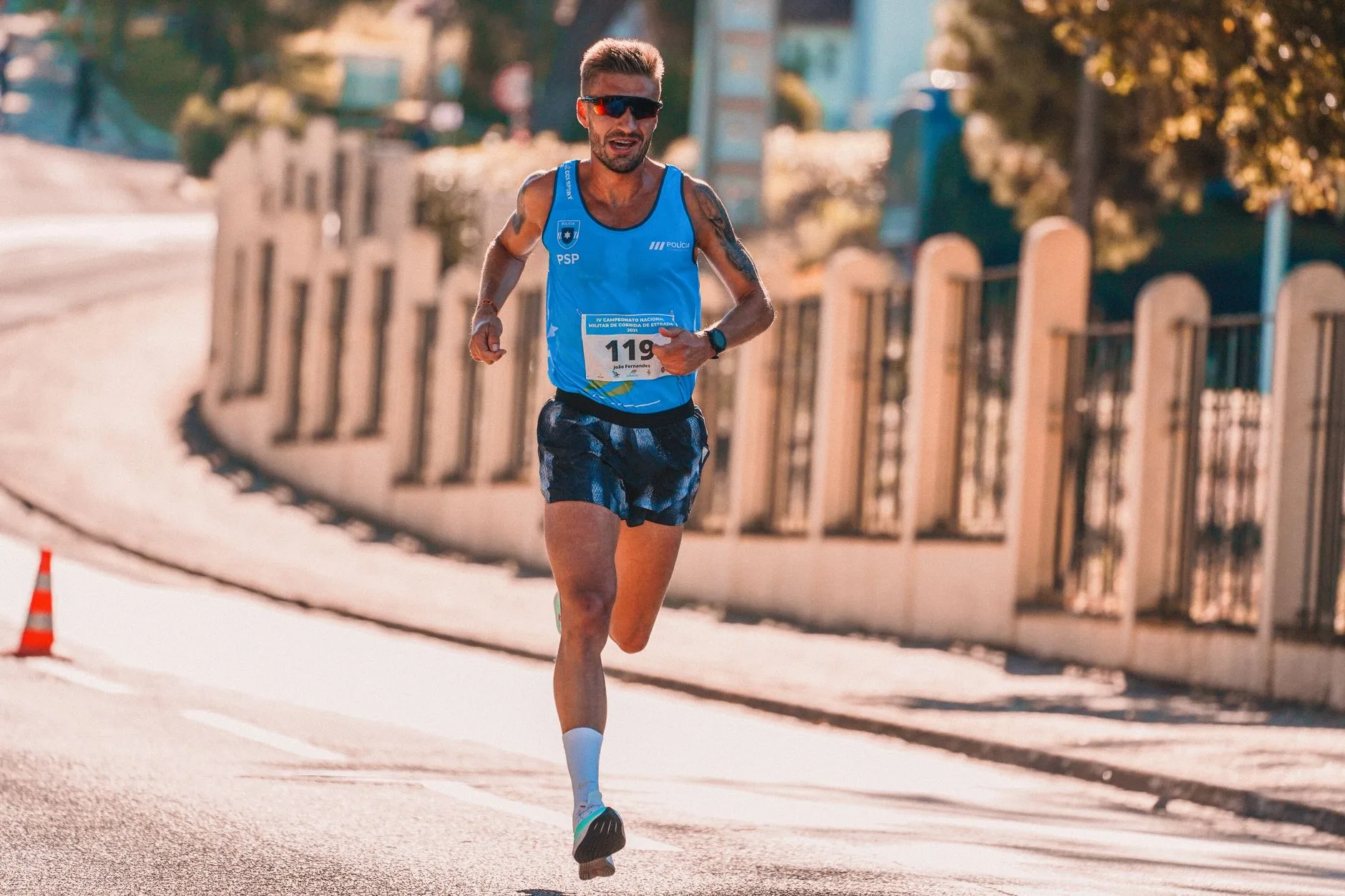
Photo by RUN 4 FFWPU on Pexels
If you’ve ever stepped outside for what should have been an easy run and found yourself breathing like you’re at mile 20 of a marathon, you’ve encountered running in high humidity. It’s not just uncomfortable — the physiology genuinely changes. Your body is working significantly harder than your pace would suggest, and ignoring that is how people end up stopping on the side of the road or, worse, in hospital with heat exhaustion.
The good news is that the human body adapts to heat and humidity relatively quickly. Within 10–14 days of consistent heat exposure, most runners experience meaningful physiological changes that make the same conditions much more manageable. This article covers what’s actually happening to your body in humid conditions, how to adjust your training, and how to speed up acclimatisation safely.
Why Humidity Makes Running So Much Harder
When you run, your body generates heat — a lot of it. The primary way you cool down is sweating. Sweat evaporates from your skin and carries heat away with it. This works brilliantly in dry conditions.
In high humidity, the air is already saturated with moisture. Sweat can’t evaporate as efficiently because there’s nowhere for the water vapour to go. Your body keeps trying to cool you down by producing more sweat, your heart rate rises to pump blood to the skin surface for cooling, and your core temperature climbs despite your best efforts. What would be an easy 9-minute-mile effort in October feels like a 10-second-mile sprint in July in Florida.
The combination of heat and humidity creates a measurement called the wet bulb globe temperature (WBGT) or, more commonly, the apparent temperature or “feels like” temperature. Races use this to make go/no-go decisions. You should use it too.
| Apparent temperature | Risk level | Adjustment needed |
|---|---|---|
| Below 15°C | Low | Run normally |
| 15–20°C | Moderate | Monitor hydration |
| 20–25°C | High | Slow down 10–15 seconds/km |
| 25–30°C | Very high | Reduce pace by 20–30 seconds/km, shorten run |
| Above 30°C | Extreme | Consider cross-training instead |
Adjusting Your Pace in Humid Conditions
The single most important thing to understand is this: your pace in humidity doesn’t tell you how hard you’re working. Your effort level does.
Train by effort or heart rate, not pace. If your easy runs are typically done at a pace where you can hold a full conversation, keep using that benchmark — not the number on your watch.
As a rough guide, for every 10°C rise in temperature above 10°C, most runners slow down by about 1.5–3% at the same effort level. In high humidity, add another 1–2% on top of that. If you normally run easy miles at 6:00/km, running the same effort at 6:30–6:40/km on a hot, humid day is not a failure — it’s correct training.
Practical adjustments:
– Start slower than you think you need to — the first mile of a humid run is almost always deceptively manageable, then it compounds
– Take walk breaks without ego — a 30-second walk every kilometre keeps your core temperature in a safer zone
– Shorten runs rather than forcing the full distance — a 5km hot run done properly teaches your body more than an 8km sufferfest where you overheat
How to Hydrate Properly in Humidity
Your sweat rate in high humidity can reach 1–2 litres per hour, significantly higher than in cool conditions. Dehydration of even 2% of body weight measurably impairs running performance; above 3% it starts becoming a safety concern.
Before your run:
– Drink 400–600ml of water in the 2 hours before you go out
– Check urine colour — pale yellow is hydrated; dark amber means drink more before you start
– Avoid alcohol the day before a planned hot-weather run
During your run:
– Drink 150–250ml every 15–20 minutes, even if you don’t feel thirsty — the thirst mechanism lags behind actual dehydration
– For runs over 60–75 minutes in heat, plain water isn’t enough. You’re losing electrolytes (primarily sodium) in your sweat, and replacing fluid without replacing sodium can cause hyponatraemia (dilution of blood sodium), which is dangerous. Use an electrolyte drink, electrolyte tablets, or carry salty snacks for longer runs
– Carry water with you or plan a route with fountains — don’t rely on feeling thirsty to know when to stop
After your run:
– Weigh yourself before and after if you’re serious about monitoring this — every kilogram lost during a run represents about 1 litre of fluid
– Aim to replace 150% of fluid lost over the next few hours (the 150% accounts for ongoing urinary losses during rehydration)
– Include sodium in your recovery — a salty snack, electrolyte drink, or normal meal with seasoning all work
Heat Acclimatisation: How It Works and How Long It Takes
The human body adapts to heat over time through a process called heat acclimatisation. The adaptations include:
- Increased plasma volume — your blood volume expands, meaning your heart doesn’t have to work as hard to circulate blood for cooling
- Earlier onset of sweating — acclimatised runners start sweating at a lower core temperature, getting ahead of the heat
- Higher sweat rate — your body gets better at cooling efficiently
- Lower resting heart rate and lower heart rate at equivalent efforts — the cardiovascular strain of heat reduces
These adaptations begin within 3–5 days of heat exposure and are mostly complete by 10–14 days. Research shows you need at least 60–90 minutes of heat exposure per day (at workout intensity) to trigger meaningful acclimatisation.
How to acclimatise:
1. Run in the heat of the day — not before sunrise or after sunset. You need the actual heat load to trigger adaptation
2. Start conservatively — the first 3–4 days should be short and easy efforts; your body is working hard to adapt even when it doesn’t feel like it
3. Wear extra layers if needed — if conditions are mild, wearing an extra thermal layer creates the heat stress your body needs to adapt (common practice for athletes preparing for hot-weather races)
4. Be consistent — the adaptations only hold for about 2–3 weeks after heat exposure stops, so regular training through summer maintains them
Warning Signs You Need to Stop
Heat-related illness progresses from uncomfortable to dangerous faster than most people realise. Know the signs:
Heat exhaustion:
– Heavy sweating
– Weakness or dizziness
– Nausea
– Headache
– Rapid but weak pulse
– Pale, moist skin
If you experience these: stop running immediately, get out of the sun, cool down with water or ice if available, and drink fluids. Don’t try to push through.
Heat stroke (medical emergency):
– High body temperature (above 39.4°C)
– Confusion, slurred speech, or altered consciousness
– Hot, dry skin (sweating may stop)
– Rapid, strong pulse
If you or another runner shows signs of heat stroke: call emergency services immediately. Cool the person down by any means available while waiting for help.
Practical Tips for Running in Humidity
Timing: The coolest part of the day is typically just before sunrise. Humidity, however, is often highest overnight and in the early morning (because the air temperature is lower but dew point hasn’t changed). Midday and early afternoon are hottest but humidity may be relatively lower. Check both temperature and dew point rather than just temperature.
Clothing: Light-coloured, moisture-wicking, loose-fitting clothing. Running shirtless in high UV conditions isn’t always smarter — a light top protects against sun radiation that adds to heat load. Wear a cap or visor for direct sun protection.
Route: Run in shade where possible. A shaded trail at the same temperature as an exposed road feels significantly cooler because you’re not absorbing direct solar radiation. Out-and-back routes are better than loops in extreme heat — you can always turn around early without a problem.
Recovery: Your body is under more stress from humid runs than the equivalent cool-weather effort. Build in extra recovery time, prioritise sleep, and don’t be alarmed if your training load needs to drop in summer. Maintaining fitness — not building it aggressively — is a reasonable summer goal for most recreational runners.
Conclusion
Running in high humidity is harder than it looks on paper. The physiological demands are real, and adjusting for them is not optional if you want to train safely through summer.
- Slow down by effort, not by arbitrary seconds per kilometre — use how you feel and your heart rate as your guide
- Hydrate before, during, and after — and include electrolytes for anything over an hour
- Acclimatisation takes 10–14 days of consistent heat exposure; once you’ve done it, the same conditions feel significantly more manageable
- Know the warning signs of heat exhaustion — they progress quickly and aren’t something to push through
- Adjust your expectations for the season — a summer training block where you maintain fitness and build heat tolerance is productive training, even if the numbers don’t look impressive