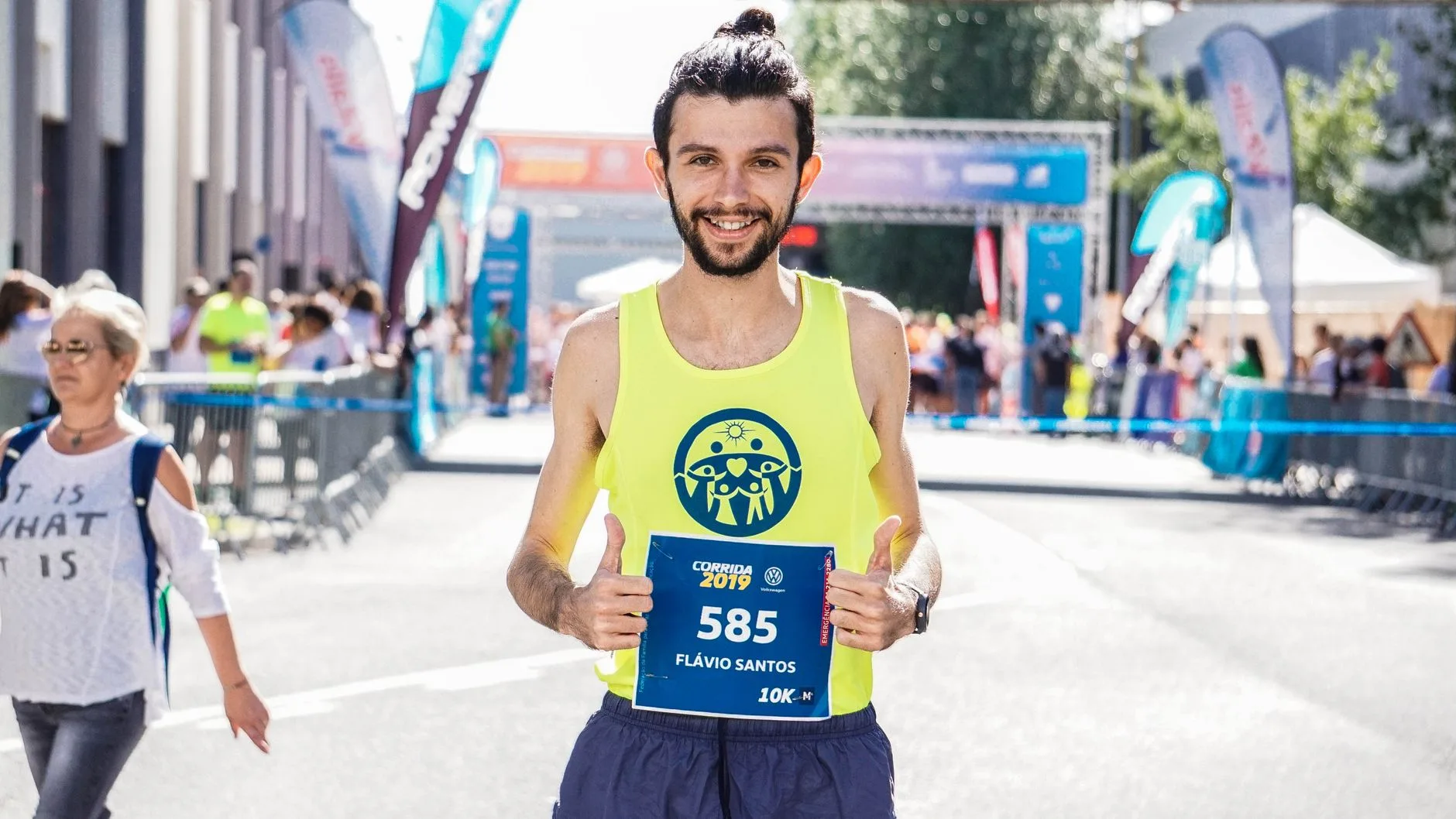
Photo by RUN 4 FFWPU on Pexels
You’ve done the training. The Tuesday intervals, the Sunday long runs at 5:45/km when you’d rather have stayed in bed, the weeks where you swapped a rest day for a work deadline and hoped it wouldn’t matter. Now the race is close, and the question shifts from “how do I get fitter” to “how do I not waste it”.
That second question matters more than most runners think. A personal best isn’t just about fitness — it’s about not blowing up at 7km, not standing at the start line with a stomach full of nerves and a bad breakfast, not spending your first kilometre stuck behind a pacing group that’s 30 seconds slower than you need. Plenty of well-trained runners miss their PB on the day itself, not in the months before it.
This isn’t about tricks or hacks. It’s the boring, specific stuff — pacing, fuelling, warm-up timing, what to wear — that separates a good race from a frustrating one.
Nail your pacing strategy before you start
The single biggest PB-killer in a 10K is going off too fast. Adrenaline, a crowded start, the temptation to “bank time” — it all pushes you to run kilometre one 15-20 seconds faster than your target pace. You’ll feel like a hero for 3km. Then you’ll pay for it in the last 3km, badly.
Work out your target pace in advance and know it cold. If you’re aiming for 50 minutes, that’s 5:00/km. For 45 minutes, that’s 4:30/km. Write both your target pace and 5km split time on your arm in permanent marker or set it as a screen on your watch — don’t rely on maths while you’re breathing hard.
| Target time | Pace per km | 5K split |
|---|---|---|
| 60:00 | 6:00/km | 30:00 |
| 55:00 | 5:30/km | 27:30 |
| 50:00 | 5:00/km | 25:00 |
| 45:00 | 4:30/km | 22:30 |
| 40:00 | 4:00/km | 20:00 |
A slightly negative split — running the second half a touch faster than the first — is what most experienced racers aim for. Practically, that means the first kilometre should feel almost too easy. If it doesn’t, you’re going too fast.
Get your fuelling and hydration right, not perfect
A 10K is short enough that you don’t need gels mid-race in most cases — unless you’re out there for over an hour, your muscle glycogen stores will comfortably see you through. What actually matters is what you do in the 24 hours before.
Eat a carb-focused meal the night before — pasta, rice, potatoes — nothing exotic. On race morning, eat something familiar 2-3 hours before the gun: toast with honey, a banana, porridge. Don’t try a new breakfast on race day. If your stomach is sensitive, this is worth reading up on properly through resources like the British Dietetic Association’s guidance on sports nutrition.
Hydrate steadily in the days before rather than chugging water an hour before the start — that just means an urgent toilet queue at kilometre one. A good gut health foundation built over training, not just race week, makes a bigger difference than most people realise, and it’s worth reading up on gut health for runners if stomach issues have derailed races before.
Warm up like you mean it
A 10K starts fast — faster relative to your fitness than a marathon or half. That means you can’t afford to use the first kilometre as your warm-up; you need to arrive at the start line already warm.
Ten to fifteen minutes before your gun time, do this:
– 5-8 minutes of easy jogging, building slightly
– Dynamic drills: leg swings, walking lunges, high knees
– 3-4 short strides (20-30 seconds) at close to race pace, with full recovery between
This is especially important in cold weather. A muscle that’s cold at kilometre one is a muscle more prone to a niggle by kilometre five. If you’re not sure what a proper warm-up looks like, there’s a full breakdown of effective warm-up exercises before running worth running through the week before your race.
Dress for 10 degrees warmer than it feels at the start
This trips up a lot of runners. You’re standing at the start line shivering, so you overdress — then by kilometre 3 you’re overheating and can’t do anything about it because you’re mid-race.
The rule of thumb: dress for how the temperature will feel once you’re 10-15 minutes into running, not how it feels standing still. If it’s 8°C, dress like it’s 15-18°C. Arm sleeves you can push down are a good compromise if you’re not sure.
Whatever you wear, it needs to be tested — never race in something new. That includes shoes, socks and anything that might chafe. Blisters and chafing have ended more PB attempts than lack of fitness ever has, and both are entirely preventable with the right kit tested in training, not on the day itself.
Know the course, not just the distance
Look at the elevation profile before race day. A 10K with a hill at kilometre 7 needs a different pacing plan than a flat out-and-back. If there’s a notable climb, plan to ease off slightly on the effort (not necessarily the pace) going up, and let gravity help you make up time on the way down.
Also check: where are the water stations? Is there a sharp turn early on where the field bottlenecks? Where’s the finish line relative to the last kilometre marker — some courses have a nasty habit of hiding the final 200m around a corner, which is demoralising if you don’t know it’s coming.
Start further back than your ego wants
This is the tip most runners ignore. If you’re aiming for 50 minutes, you don’t need to be in the very front pen elbowing past 38-minute runners. Starting too far forward means weaving through slower runners for the first kilometre, burning energy and breaking your rhythm.
Find the pace group or start pen that matches your target time, or position yourself just behind it. It’s a far better problem to overtake people steadily throughout the race than to be swallowed by the field after going out too hot.
Have a plan for when it hurts (because it will)
Somewhere around kilometre 7-8, a 10K stops being about fitness and starts being about willingness to be uncomfortable. This is normal — it doesn’t mean your training failed.
Break the remaining distance into smaller pieces mentally. “Just get to the 8K marker” is easier to process than “2.4km left, and it hurts.” Have a mantra, a specific person’s face, a specific song chorus — whatever gets you through the mental low point. If you’ve had a bad training run before and know what got you through it, that same tool works here too.
The Honest Takeaway
- Know your target pace per kilometre before you start, and resist the urge to bank time early — a fast first kilometre almost always costs you more at the end than it gives you.
- Eat and drink what you’ve already tested in training. Race morning is not the time to experiment with breakfast, gels or new shoes.
- Warm up properly — 10K pace demands more than a jog-in start, especially in cold weather.
- Dress for 10-15 degrees warmer than it feels standing at the start line.
- Start in the pace group that matches your goal time, not where your ego wants to stand — passing people late feels a lot better than being passed.
Next read: Build your base with an 8-week 10K training plan for complete beginners