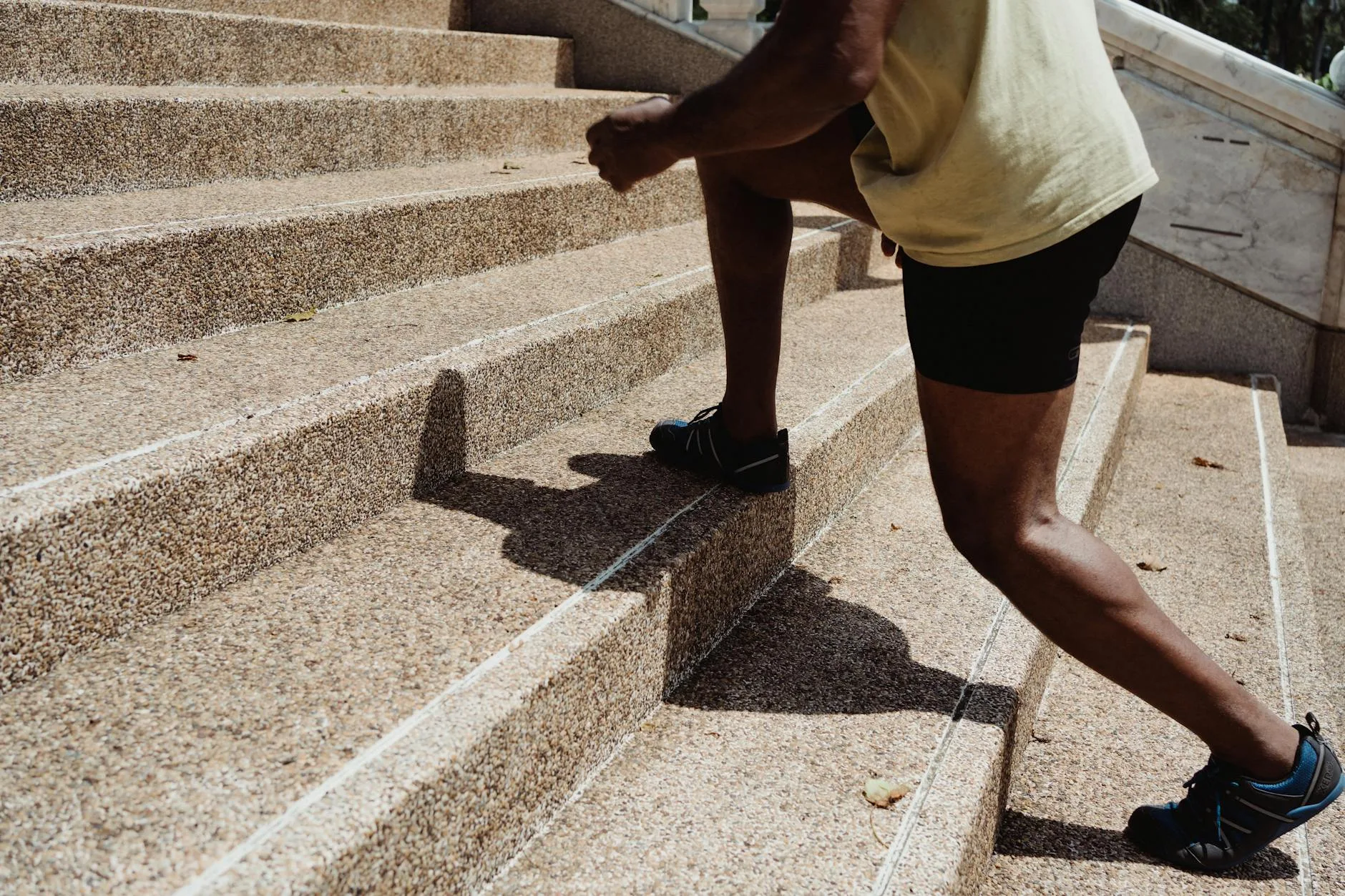
Photo by Ketut Subiyanto on Pexels
How to improve your running posture step by step
You don’t need to look like an elite to run with good form. But if you’re regularly finishing runs with a sore lower back, tight hips, or shoulders that feel like they’ve been up near your ears the whole time — your posture is costing you. Not just comfort, but energy and injury resistance too.
The frustrating thing about running posture is that most of the advice out there is either vague (“run tall!”) or written for people who already run well. This article is for the runner who spends most of their day at a desk, who squeezes their runs in before work or at lunch, and whose form probably deteriorates somewhere around kilometre four. That’s most of us.
What follows is a step-by-step breakdown of the key posture fixes — starting from your head and working down — with practical cues you can actually use mid-run, and a clear picture of what to prioritise first.
Why running posture matters more than you might think
Running with poor posture isn’t just inefficient — it redistributes load onto joints and muscles that aren’t designed to take it. A forward-leaning head, for example, adds the equivalent of several kilograms of force through your neck and upper back. Slouched shoulders restrict breathing. An overextended lower back compresses your lumbar spine and limits hip extension.
Research published in the Journal of Biomechanics has consistently shown that posture and running economy are closely linked — meaning better form means less energy used for the same pace. That matters whether you’re running a 30-minute parkrun or a four-hour marathon.
The good news: posture responds quickly to focused attention. You won’t transform overnight, but most runners notice a meaningful difference within two to three weeks of deliberate practice.
Step 1: Sort your head and gaze first
Your head weighs roughly 5kg. Where it goes, the rest of your body follows.
A very common fault — especially in tired runners — is “chin poking”: the head tilts forward and the gaze drops to the ground two metres ahead. This collapses the chest, tightens the neck, and sets off a chain of compensation down the spine.
The fix: Keep your gaze about 10–15 metres ahead on flat ground. Your chin should be roughly parallel to the ground — not tucked hard, not jutting forward. Imagine a piece of string pulling gently from the crown of your head toward the sky.
Check in on this every few minutes during your run. It’s the single posture cue that most runners forget first when fatigue kicks in.
Step 2: Relax your shoulders and open your chest
Tight shoulders are almost universal among desk workers who run. You spend hours hunched over a keyboard, and then you go for a run — and your body just carries that same shape.
Shoulders should sit low and loose, not raised toward your ears. Your chest should feel open, not caved inward. A good test: if someone asked you to take a deep breath mid-run, could you? If your shoulders are bunched up, you’re already restricting your breathing capacity.
The fix: Every kilometre or so, consciously drop your shoulders, shake out your hands, and take one full breath in. It sounds basic, but it works. This small reset — sometimes called a “shoulder drop check” — prevents the creeping tension that builds over a long run.
Step 3: Get your arm swing right
Arms aren’t just passengers. They balance the rotation of your legs. A crooked or crossing arm swing creates unnecessary trunk rotation, which wastes energy and can contribute to lower back pain.
Your elbows should be bent at roughly 90 degrees. Your arms should swing forward and back — not across your centreline. Imagine a vertical line down the middle of your chest; your hands shouldn’t cross it. Your hands should be relaxed — loosely cupped, not clenched. Clenched fists create tension that travels up the arm and into the shoulders.
The fix: If you’re not sure what your arms are doing, film yourself from the front for 30 seconds on an easy run. It’s often the most revealing thing a runner can do.
Step 4: Engage your core — but not like a plank
“Engage your core” is advice that often makes runners either hold their breath or go rigid. That’s not what you want.
A lightly activated core — think 20–30% effort, not braced like you’re expecting a punch — stabilises your pelvis as each foot strikes the ground. Without it, your hips drop from side to side (called lateral pelvic drop or Trendelenburg gait), which loads your knees and IT band unevenly.
If hip flexor tightness is already giving you grief, fixing your pelvic stability matters even more — take a look at the article on hip flexor pain when running for more on what’s happening there mechanically.
The fix: Practice this off the run first. Stand on one leg for 30 seconds and check if your hip drops to the unsupported side. If it does significantly, single-leg glute bridges (3 sets of 10 per side, three times a week) will build the strength that makes mid-run stability possible.
Step 5: Stack your hips and lean from the ankles
There are two big postural errors at the hip: anterior pelvic tilt (bum stuck out, lower back overarched) and posterior pelvic tilt (hips tucked under, flat back). Both affect how efficiently your legs can drive forward.
The ideal is a neutral pelvis — hips roughly level, not exaggerated in either direction. Combined with a very slight forward lean from the ankles (not the waist), this creates the posture that lets gravity assist your forward momentum.
The lean from the waist is the mistake most people make when told to “lean forward”. Bending at the hip collapses your posture entirely. The lean should come from the ankles — your whole body tilts slightly forward as one unit, like a falling tree rather than a folding chair.
The fix: Try this drill: stand tall, then slowly lean forward from your ankles until you feel you’d fall — that’s when you’d naturally step forward. That’s the sensation you’re after when running. Even a 2–3 degree forward lean makes a noticeable difference to effort at the same pace.
Step 6: Think about where your foot lands
Foot strike is one of the most debated topics in running form — and one of the most misunderstood. The NHS and sports medicine consensus suggests that for most recreational runners, over-obsessing about heel versus forefoot striking misses the bigger picture: what matters more is where your foot lands relative to your centre of mass.
Landing too far in front of your hips — regardless of whether it’s heel or midfoot — acts as a braking force. You want your foot to land roughly beneath your hips, not stretched out ahead of you.
The fix: Increasing your cadence slightly (aiming for 170–180 steps per minute if you’re currently below 165) naturally encourages a shorter stride and a foot strike closer to your body. You don’t need a metronome — many GPS watches can track cadence in real time.
Posture fault finder: quick reference
| Fault | What you’ll feel | Common cause | Fix |
|---|---|---|---|
| Head forward / chin poke | Neck and upper back tightness | Fatigue, desk posture | Gaze 10–15m ahead, crown lifted |
| Hunched shoulders | Restricted breathing, shoulder ache | Tension, cold weather | Shoulder drop check every km |
| Arms crossing centreline | Trunk rotation, wasted energy | Tight shoulders, fatigue | Elbows at 90°, hands don’t cross midline |
| Lateral hip drop | IT band or knee pain | Weak glutes, no core engagement | Single-leg glute bridges, light core activation |
| Bending at the waist | Lower back pain, hip flexor strain | Trying to “lean forward” | Lean from ankles, not waist |
| Overstriding | Heavy landing, shin and knee stress | Too slow a cadence | Shorter stride, higher cadence |
Step 7: Build form into your training gradually
Posture changes don’t stick if you only think about them occasionally. The most effective approach is to build short form-focus windows into runs you’re already doing.
During your easy runs — which should make up at least 70–80% of your weekly mileage anyway — pick one cue per kilometre and focus on it. Head position for km 1, shoulders for km 2, arms for km 3, and so on. Over a few weeks, these adjustments start to become automatic.
Don’t try to overhaul everything at once during a long run or race. If you’re following a structured plan — like a 16-week marathon training plan — use the early easy weeks when effort is low to drill these habits before the harder sessions arrive.
Strength work off the road matters too: glute bridges, dead bugs, single-leg squats, and hip flexor stretching address the underlying muscular imbalances that cause most posture faults. Twenty minutes, two or three times a week, is enough to make a real difference within four to six weeks.
The honest takeaway
-
Start with your head and shoulders — these are the most common faults and the easiest to fix with simple mid-run cues. A gaze 10–15 metres ahead and a shoulder drop check every kilometre costs nothing.
-
The lean comes from your ankles, not your waist. If you take one biomechanical thing away from this article, make it that.
-
Weak glutes cause more posture problems than most runners realise. If your hips drop when you run tired, three sessions a week of glute and core work will fix it faster than any amount of in-run reminders.
-
Film yourself. Thirty seconds from the front and side will show you things you’d never feel. Most runners are genuinely surprised by what they see.
-
Pick one cue per run, not six. Trying to fix your head, shoulders, arms, hips, and foot strike simultaneously is a recipe for tensing up and running worse. Systematic, one-at-a-time focus over four to six weeks is what actually changes your default form.