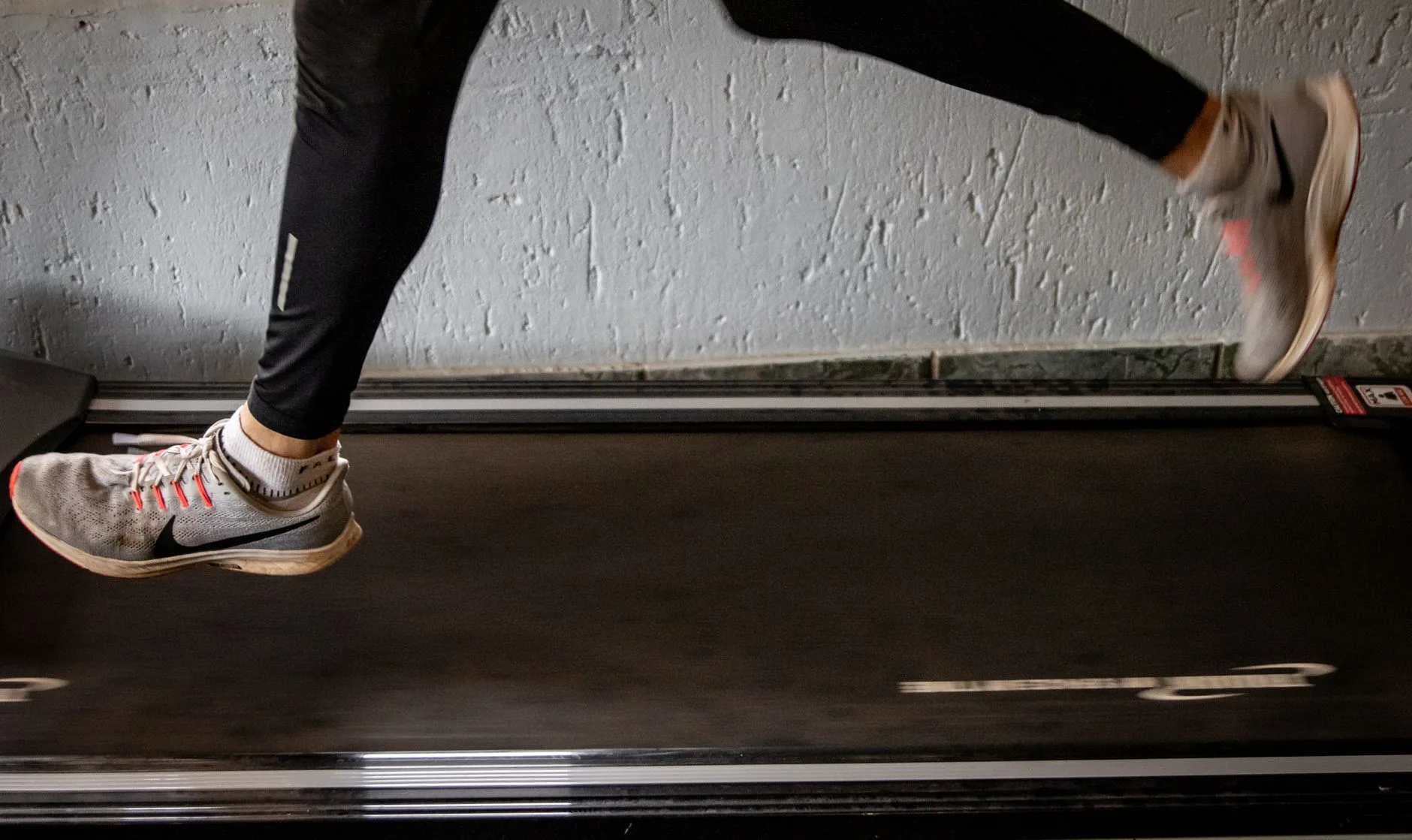
Photo by Magda Ehlers on Pexels
Home treadmills have become significantly more capable and more affordable over the past five years. What used to cost £1,500 in a well-equipped gym now shows up on Amazon for £400. That sounds great — and sometimes it is. But the treadmill category is also one of the most uneven in consumer fitness, with misleading specifications, undersized motors, and belt surfaces that degrade quickly at running speeds.
This guide explains what actually matters when buying a budget treadmill, what to look out for, and honest assessments at three price points. It’s aimed at people who do most of their running outdoors but want a reliable option for bad weather, early morning or late-night runs, or consistent training through winter.
What to Look for in a Budget Running Treadmill
The specifications printed on the box of a consumer treadmill are frequently misleading. Here’s what to pay attention to:
Motor size (HP): Treadmill motors are often rated in “peak horsepower” — the maximum output they can briefly achieve, not what they sustain during a typical run. What matters is continuous duty horsepower (CHP), which is the sustained output. For running (as opposed to walking), you want a minimum of 2.5 CHP. Most budget treadmills advertised as 3.0HP or 4.0HP are quoting peak figures; their CHP may be 1.5–2.0, which is only adequate for jogging or walking. A motor that runs at or above its CHP rating during every session overheats, degrades quickly, and fails early.
Belt size: A running stride requires more belt length than a walking one. For running, you need a minimum of 130cm (51 inches) belt length. Less than that, and you’ll feel constrained at higher speeds — particularly if you’re tall. Width should be at least 46cm (18 inches) for comfortable running.
Maximum speed: Look for 16–20 km/h (10–12 mph) minimum. If you’re training for anything faster than a 6:00/km pace, you need at least 18 km/h.
Weight capacity: Most budget treadmills list 100–120kg. If you’re close to or above that, ensure there’s meaningful headroom — motors and decks on budget machines perform closer to their limits when the rated weight is reached.
Deck cushioning: The running deck is the surface you land on. Better decks have multi-layer cushioning that absorbs impact. Cheap treadmills use thin, rigid decks — fine for walking, more punishing on joints for running. If you’re using the treadmill for longer runs, this matters more.
Noise: Consumer treadmills are louder than commercial gym versions. At running speeds, most emit significant noise — relevant if you’re in a flat or have downstairs neighbours. Look for user reviews specifically mentioning noise at running speeds, not just at walking pace.
What to Ignore
Built-in workout programmes: Most are rarely used after the first few weeks. They’re marketing features, not reasons to buy.
Touchscreens and streaming integrations: These add cost and break down over time. A treadmill with a tablet holder and your own app (Nike Run Club, Zwift Run, Strava) is more flexible than one with a built-in screen that becomes unsupported after a year.
Folding: Folding treadmills are convenient but typically have more mechanical complexity and don’t fold as flat as you’d expect. If space is genuinely tight, folding is worth the compromise — but it adds something that can break.
Budget Picks at Three Price Points
Under £400: NordicTrack EXP 7i / Echelon Stride / Reebok FR30z
At this price point, most treadmills are walking-focused with some jogging capacity. For serious running (above 10km/h regularly), the motors in this range work hard and have shorter lifespans.
What to expect:
– CHP often 1.5–2.0, adequate for jogging and occasional faster running
– Belt lengths typically 120–130cm — manageable for most runners up to about 180cm tall
– Maximum speeds 16–18 km/h
The Reebok FR30z (around £300–350) is one of the more honest budget options — it doesn’t oversell its motor, has a 48cm x 130cm belt, and handles consistent jogging reliably. If you’re running 3–4 times per week at moderate paces (6:00–7:00/km), it holds up better than most at this price.
Realistic use case: Bad weather fallback, 20–40 minutes per session, paces around 8–12 km/h. Not suitable as a primary running tool for anyone training seriously.
£400–£700: Sole F63 / XTERRA TRX3500 / Proform Carbon TL
This is the sweet spot for a genuine running treadmill at home. Motors here typically offer 2.5–3.0 CHP (though always verify), belts run 130–150cm, and construction quality improves meaningfully.
The Sole F63 (around £650–700, occasionally on sale for less) is consistently recommended by runners who’ve used it seriously. CHP is 2.5, belt is 140 x 51cm, maximum speed is 18 km/h, and the deck cushioning is designed for running rather than walking. It handles sustained running sessions reliably and has a better long-term track record than most budget alternatives.
Important: Sole is a US brand sold in the UK via third-party importers. Check warranty terms — you want at least 2 years on the motor and 1 year on parts. Some importers offer this; others don’t.
Realistic use case: Primary training treadmill for runners doing 4–6 sessions per week, including longer runs up to 60–90 minutes. Handles 10–16 km/h consistently.
£700–£1,200: NordicTrack Commercial 1750 / Technogym MyRun / Garmin Tacx NEO Treadmill
At this level, you’re getting closer to commercial-grade performance at a consumer price. CHP ratings of 3.0–3.5, belt sizes of 140–150 x 50–55cm, maximum speeds of 20+ km/h, and significantly better cushioning systems.
The NordicTrack Commercial 1750 (street price around £900–1,100) is widely regarded as the best value in this range. It’s heavy, noisy compared to gym machines, requires a decent amount of space (193 x 89cm footprint), but runs reliably at sustained higher speeds, has excellent incline range (-3% to 15%), and holds up to high-mileage training use. The iFit integration (subscription-based) is optional.
Realistic use case: Runners who genuinely need a treadmill for year-round training, including marathon training cycles where indoor long runs are planned. If you’re doing regular runs of 10km or more on a treadmill, this is the minimum you should consider.
Comparison Summary
| Price range | Best option | CHP | Belt size | Max speed | Best for |
|---|---|---|---|---|---|
| Under £400 | Reebok FR30z | ~1.8 | 48 x 130cm | 16 km/h | Casual jogging, weather backup |
| £400–700 | Sole F63 | 2.5 | 51 x 140cm | 18 km/h | Regular running, moderate mileage |
| £700–1,200 | NordicTrack 1750 | 3.5 | 55 x 150cm | 22 km/h | High mileage, marathon training |
Before You Buy
Measure your space: Treadmills are larger than they appear in marketing photos. A running treadmill in use needs the belt length plus at least 1 metre behind the machine (safety zone). Most full-size running treadmills are 185–200cm long and 85–100cm wide. Measure before you buy.
Check warranty terms: Motor warranty is the most important — at least 2 years for any machine you plan to run on regularly. Cheaper machines often have 90-day or 1-year motor warranties.
Read long-term user reviews: Not the 5-star reviews from the week after delivery. Look for reviews from people who’ve owned the machine for 12–18 months and run on it consistently. Amazon, Reddit’s r/running and r/homegym, and forum threads from training communities are better sources than review sites that make affiliate income from sales.
Consider used: A commercial treadmill bought second-hand from a gym or a higher-end consumer model in good condition often offers better value than a new budget machine. Facebook Marketplace and eBay regularly list treadmills from gyms that have upgraded their equipment.
Conclusion
For most recreational runners, a budget home treadmill is a supplement to outdoor running — not a replacement for it. That context should guide how much to spend.
- Under £400: realistic for occasional use at moderate pace; don’t expect it to handle serious training volume
- £400–700: the most sensible budget for a genuine running machine; the Sole F63 is the safest recommendation
- £700–1,200: necessary if you plan high-mileage indoor training or marathon-focused sessions
- Check CHP, not peak HP — this single specification is the most reliable predictor of motor durability
- Buy second-hand if budget is tight — a well-maintained commercial treadmill bought used almost always outperforms a new budget consumer machine
Next read: Treadmill vs outdoor running: pros and cons