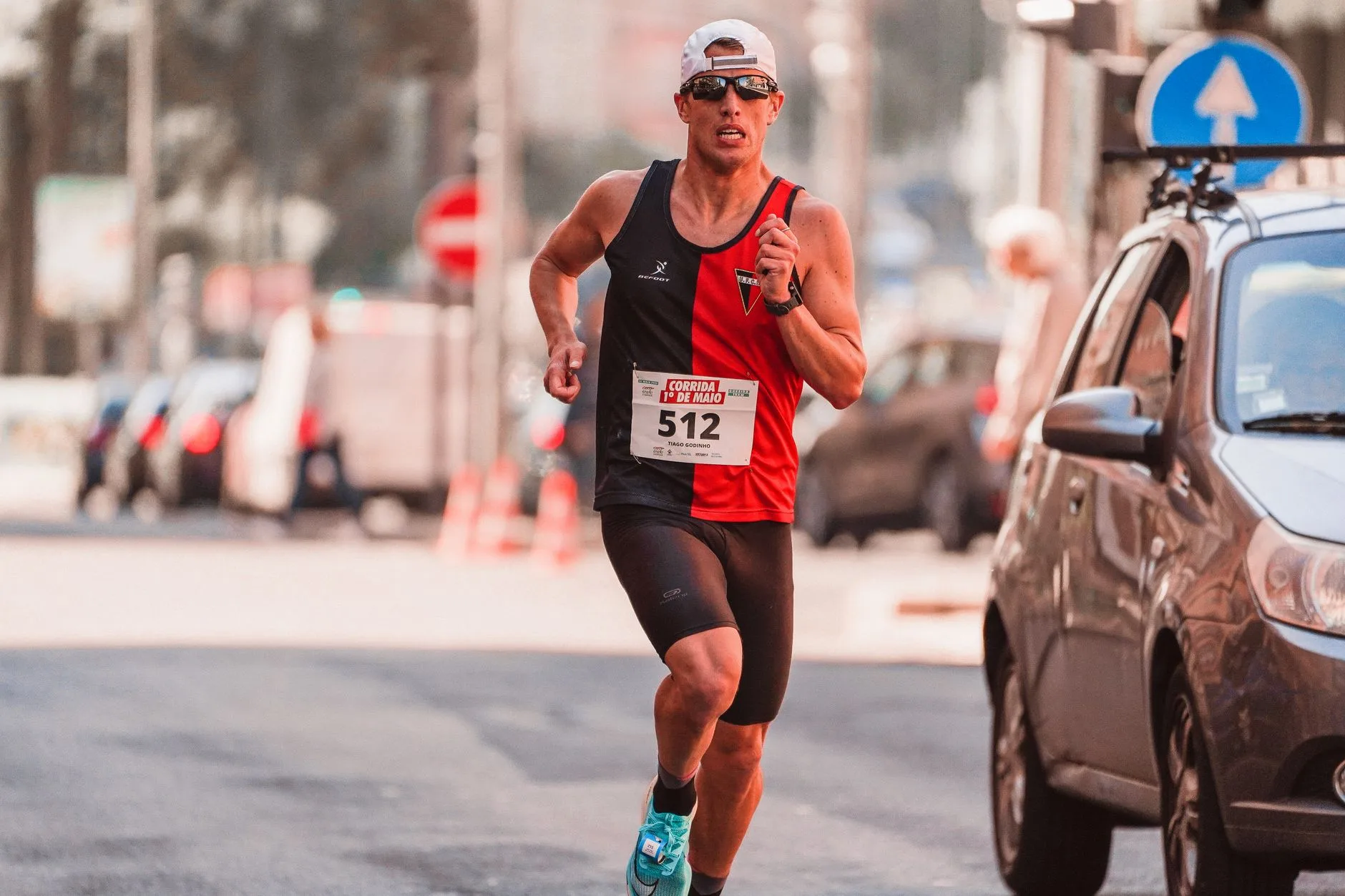
Photo by RUN 4 FFWPU on Pexels
Couch to 5K (C25K) is a 9-week running programme designed to take complete non-runners to running 5K (approximately 3.1 miles) continuously. It’s the most widely used beginner running programme in the UK, supported by the NHS, and has helped millions of people start running for the first time.
The genius of C25K is its structure: instead of going out and trying to run as far as you can (and failing), it alternates running and walking in carefully designed intervals that build gradually each week. By Week 9, the walking is gone entirely.
How Couch to 5K Works
Each week consists of three training sessions. The sessions progress from mostly walking to entirely running over 9 weeks.
| Week | Session structure | Total run time |
|---|---|---|
| 1 | 60 sec run / 90 sec walk × 8 | 8 minutes |
| 2 | 90 sec run / 2 min walk × 6 | 9 minutes |
| 3 | 2 min run / walk / 3 min run patterns | ~9 minutes |
| 4 | 3 min / walk / 5 min run patterns | ~16 minutes |
| 5 | 5 min / 8 min / 20 min run (day 3: 20 min continuous) | Up to 20 min |
| 6 | 5 min / 10 min / 25 min runs | Up to 25 min |
| 7 | 25 min run × 3 sessions | 25 minutes |
| 8 | 28 min run × 3 sessions | 28 minutes |
| 9 | 30 min run × 3 sessions | 30 minutes |
(These are approximate — the official NHS app has slightly varying formats but the progression is the same.)
What You Need
Trainers: You don’t need specialist running shoes to start C25K. Any trainers with reasonable cushioning will work for the early weeks (the run intervals are short). Once you’re running 20+ minutes continuously, getting a proper pair of running shoes from a specialist running shop with a gait analysis is worthwhile.
Comfortable clothing: Whatever feels comfortable. Moisture-wicking fabrics are better than cotton (which becomes heavy and can chafe when wet), but this is a minor issue in the early weeks.
The app: The NHS Couch to 5K app (free on iOS and Android) is the simplest way to follow the plan — it tells you when to run and when to walk, with audio coaching throughout. Set it up before your first session.
Nothing else. C25K requires no equipment, no gym membership, no subscription fee.
What to Expect Week by Week
Weeks 1–3: Mostly walking. The run intervals are very short and the effort feels manageable. Many people feel surprised by how easy it feels and are tempted to do more — resist this. The programme is designed for cumulative adaptation, not immediate effort.
Weeks 4–5: The run intervals start to lengthen. Week 5 includes the first 20-minute continuous run on Day 3 — a significant jump that feels impossible until you do it. Most people find it harder than expected to pace themselves (going too fast in the first few minutes is a common mistake).
Weeks 6–7: Building toward 25-minute runs. Fatigue starts to accumulate — the rest days between sessions become more important. Some people feel their progress stalling here; this is normal. Stick to the programme.
Weeks 8–9: 28–30 minute runs three times per week. The pace question arises — some runners finish 30 minutes but haven’t covered 5K. This is fine. Completing the programme means running for 30 minutes continuously; the speed comes with time and continued running.
Common Mistakes to Avoid
Running too fast: The most common mistake. You should be able to hold a full conversation throughout the run intervals (especially in the early weeks). If you’re struggling to speak, slow down.
Skipping rest days: The rest days between sessions are part of the programme. The body adapts during rest, not during the run. Running every day to “do more” typically leads to injury before Week 9.
Giving up after a bad run: Everyone has bad runs. A session that felt terrible this week may feel fine next week. One poor session isn’t a reason to restart from Week 1 — continue with the programme.
Expecting to run 5K by Week 9: Many first-time C25K graduates cover around 4km in 30 minutes, not 5km. This is completely normal — the programme builds the duration first. Speed develops over the following weeks and months of continued running.
What to Do After Completing C25K
Completing C25K is the beginning, not the end. Options from here:
Parkrun: Saturday morning 5K events — free, friendly, timed. A natural next goal for C25K graduates, with a community that celebrates completion at every pace.
A 5K race: The Race for Life, Colour Run, or local 5K events give a target to work toward.
Continue the NHS programme: The NHS has a follow-up “5K to 10K” programme built on the C25K format.
Build the habit: The most important thing after C25K is not to stop. Running three times per week at a comfortable pace, staying consistent, is the foundation everything else builds on.
Summary
Couch to 5K is the best starting point for anyone beginning running:
- Download the NHS C25K app — it handles all timing and audio coaching; you just need to show up
- Run at conversational pace throughout, especially in the early weeks — if you can’t hold a conversation, slow down
- Respect the rest days — adaptation happens during recovery, not during the runs
- Week 5, Day 3 (20-minute run) feels impossible until you do it — trust the plan and start slowly
- After completing, try Parkrun — the free, supportive, weekly 5K is the most natural next step
Next read: What is Parkrun and how does it work?