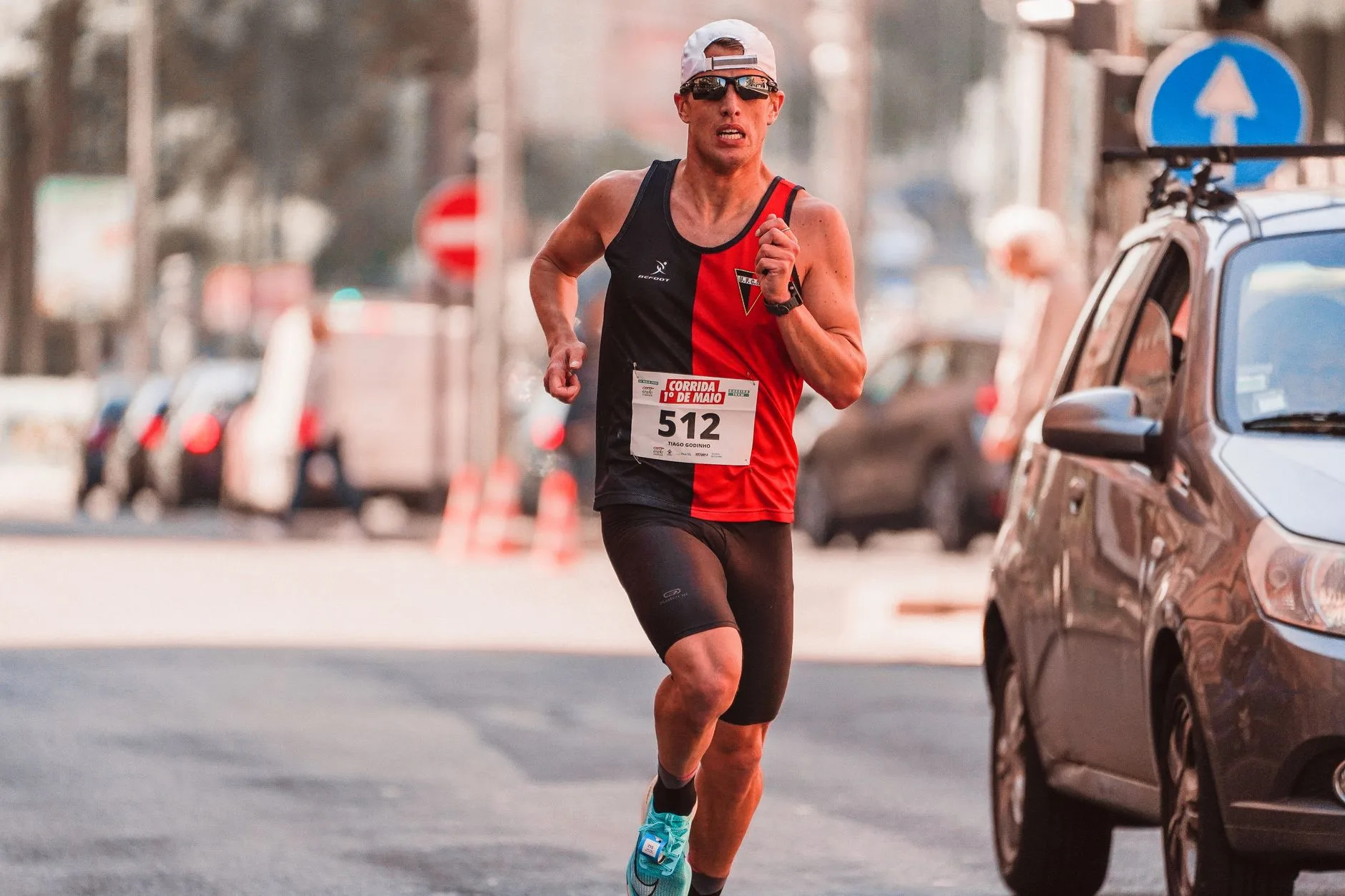
Photo by RUN 4 FFWPU on Pexels
Sub-30 minutes for 5K means running 6 minutes per kilometre. For many recreational runners, this is the first meaningful time target — the step from “finishing” to “competing with yourself.”
Whether you’re currently running 32, 34, or 36 minutes for 5K, sub-30 is achievable with the right training over 8–12 weeks.
What Sub-30 Requires
A 30-minute 5K requires sustaining a pace of 6:00/km (9:39/mile) for the full distance. At this pace:
– Each kilometre takes exactly 6 minutes
– You’ll finish in exactly 30:00 if you hold the pace perfectly (most runners aim for 29:30 to allow for variation)
The question is not whether you can run at 6:00/km — most runners can manage that pace for short intervals. The question is whether you can sustain it for 5 kilometres.
Are You Ready to Start This Plan?
This plan assumes you can already run 5K continuously (even if slowly). If you’re still completing a Couch to 5K programme, finish that first and build a few weeks of regular running before starting.
Current time under 35 minutes: Start at Week 1.
Current time 35–40 minutes: The plan will work, but progress may take 10–12 weeks rather than 8. Don’t skip the easy weeks.
Current time over 40 minutes: Build general running base (3 × 30 min easy runs per week for 4–6 weeks) before starting this plan.
The Training Paces
All sessions use three paces, derived from your current 5K time:
Easy pace: 1:30–2:00 per km slower than current 5K race pace. Conversational — you can speak full sentences.
Target pace (TP): 6:00/km — the pace you’re training to sustain.
Interval pace: 10–15 seconds per km faster than TP (i.e., around 5:45–5:50/km). This pace should feel hard but controlled.
The 8-Week Plan
Week 1: Establish the base
| Day | Session |
|---|---|
| Tuesday | 30 min easy run |
| Thursday | 4 × 5 min at target pace (6:00/km) with 2 min easy jog recovery |
| Saturday | Parkrun (run to effort — this is your current benchmark) |
| Sunday | 30–35 min easy run |
Week 2: Building interval volume
| Day | Session |
|---|---|
| Tuesday | 35 min easy run |
| Thursday | 5 × 5 min at target pace with 90 sec recovery |
| Saturday | 30 min easy run |
| Sunday | 35 min easy run |
Week 3: Introducing tempo
| Day | Session |
|---|---|
| Tuesday | 35 min easy run |
| Thursday | 2 × 12 min at 6:15/km (just above target pace) with 3 min recovery |
| Saturday | Parkrun (push effort) |
| Sunday | 35 min easy run |
Week 4: Recovery week
| Day | Session |
|---|---|
| Tuesday | 25 min easy run |
| Thursday | 3 × 5 min at target pace with 2 min recovery |
| Saturday | Easy 30 min |
| Sunday | Rest or easy walk |
(Every 4th week should be a recovery week with reduced volume — this consolidates adaptation.)
Week 5: Extending at target pace
| Day | Session |
|---|---|
| Tuesday | 35 min easy run |
| Thursday | 3 × 10 min at target pace with 2 min recovery |
| Saturday | Parkrun (push — note your time) |
| Sunday | 40 min easy run |
Week 6: Building to 4K at pace
| Day | Session |
|---|---|
| Tuesday | 30 min easy run |
| Thursday | 4 × 10 min at target pace with 90 sec recovery (total 40 min at pace) |
| Saturday | 30 min easy run |
| Sunday | 40 min easy run |
Week 7: Dress rehearsal
| Day | Session |
|---|---|
| Tuesday | 30 min easy run |
| Thursday | 5K time trial — go for it |
| Saturday | 35 min easy run |
| Sunday | Rest |
Week 8: Taper and race
| Day | Session |
|---|---|
| Tuesday | 25 min easy run with 4 × 30 sec strides at fast (not sprint) pace |
| Thursday | 20 min easy + 5 min at target pace |
| Friday | Rest |
| Saturday | 5K race or parkrun — target sub-30 |
Race Day Tips
Pace the first kilometre conservatively: The most common mistake in 5K racing is going out too fast. If your target is 6:00/km, run the first kilometre at 6:05–6:10. This feels restrained — it should. Running 5:45 in the first km almost always leads to blowing up before 3K.
Pick up the pace at 2.5K: The midpoint is when to check in with yourself. If you’re on pace and feeling controlled, begin a gradual pick-up.
The last kilometre is for spending everything left: At 4km, you should be uncomfortable. Save a final effort for the last 500m.
Don’t look at your watch every 30 seconds: Check at each kilometre marker to verify pace. Between markers, run by feel.
What to Do If You Don’t Make It
A flat tyre of a training session, illness, or a tough race day can mean the sub-30 doesn’t happen in Week 8. This is normal:
- Take stock of the Week 7 time trial result — is the gap small (31–32 minutes) or larger?
- If close: extend to 10 weeks, keeping Weeks 5–6 structure
- If further: revisit training consistency — were all sessions completed? Were easy runs genuinely easy?
Most runners who follow this plan consistently reach sub-30 within 8–12 weeks. Consistency is the primary variable.
Summary
Sub-30 5K in 8 weeks:
- Know your training paces — easy (1:30–2:00 slower than race pace), target (6:00/km), and interval (5:45–5:50/km)
- Key sessions are intervals at target pace and tempo runs just above target pace — these are the sessions that drive the adaptation
- Recovery weeks every 4 weeks — don’t skip them; they consolidate the gains from the hard weeks
- Pace the race start conservatively — first km at 6:05–6:10 even when it feels too slow
- Week 7 time trial gives you an honest indicator of where you stand before race day