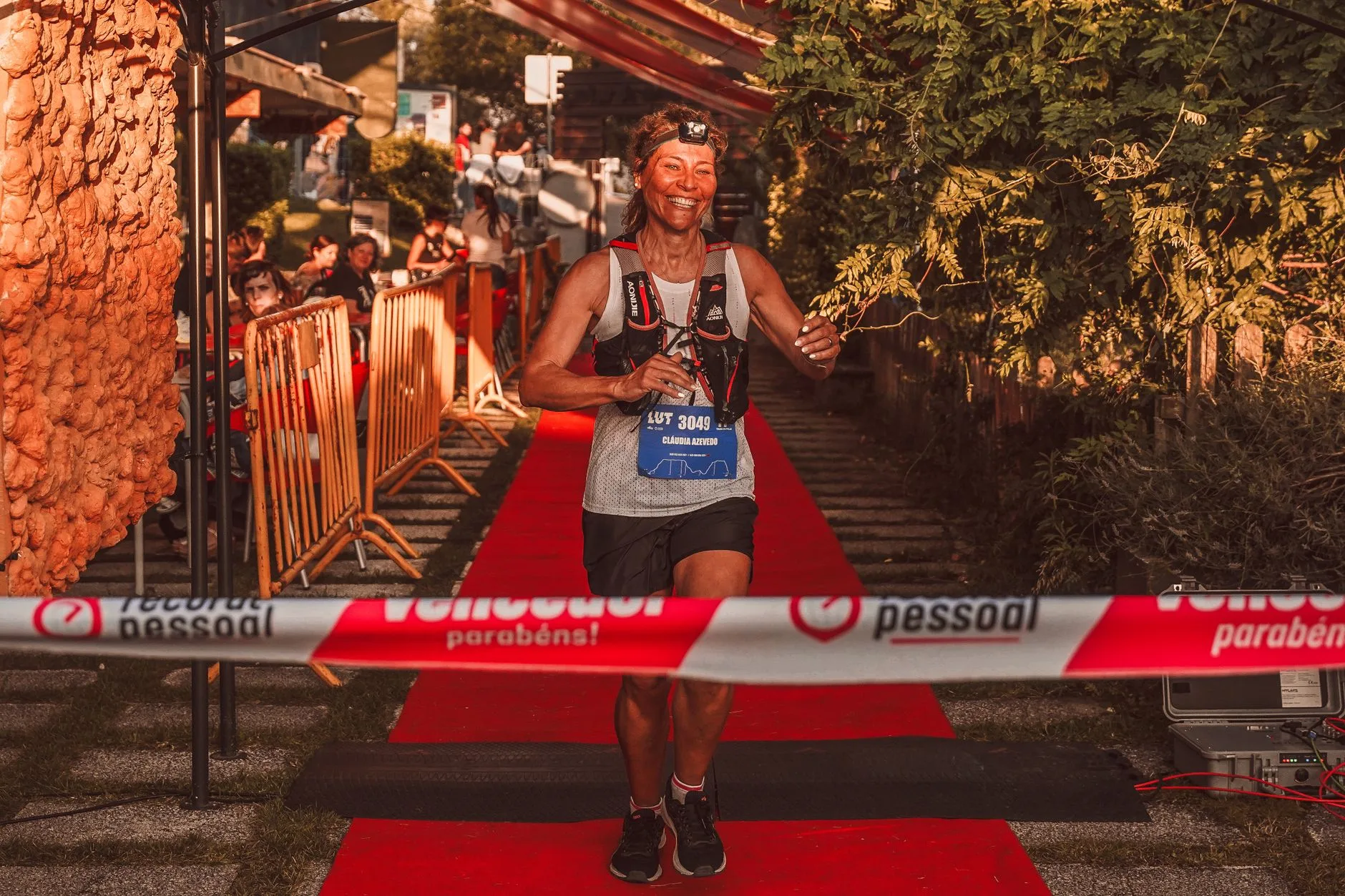
Photo by RUN 4 FFWPU on Pexels
IT band syndrome (ITBS) is one of the most frustrating running injuries — not because it’s particularly serious, but because it tends to recur. Runners recover, return to training, and find the same pain coming back at the same point in a run.
The reason it recurs is that most runners treat the symptom (the lateral knee pain) rather than the cause (hip and glute weakness). Understanding the actual mechanism of ITBS is the key to resolving it for good.
What Is the IT Band?
The iliotibial band (IT band) is a thick band of connective tissue (fascia) running from the iliac crest of the hip down the outside of the thigh, crossing the knee and attaching to the tibia below.
Unlike muscle, the IT band doesn’t contract — it’s structural tissue that transmits force and stabilises the knee during the running gait cycle.
What Causes IT Band Syndrome?
Contrary to what many runners believe, the IT band doesn’t technically “rub” over the bone — the most current research suggests that compression of the tissue beneath the IT band against the lateral femoral condyle (the bony prominence on the outside of the knee) is the primary mechanism of irritation.
Primary causes:
Hip abductor and gluteus medius weakness: When these muscles are weak, the hip drops on the non-weight-bearing side during running (a pattern called Trendelenburg gait). This causes increased knee valgus (the knee collapses inward) and greater tensioning of the IT band, increasing compression at the lateral knee.
Rapid mileage increase: The most common trigger. The IT band has limited capacity to adapt to sudden load increases.
Excessive downhill running: Downhill running increases the knee flexion angle at foot strike — the angle at which IT band compression is highest.
Overpronation: Excessive inward rolling of the foot during the gait cycle increases tibial internal rotation, which tensions the IT band.
Cambered roads: Running consistently on roads with a camber (slant) places the outside leg in a position that increases IT band stress.
Symptoms
IT band syndrome typically presents as:
- Sharp or burning pain on the outside of the knee
- Pain that starts at a consistent point into a run (often 15–20 minutes) and worsens as the run continues
- Pain that eases with rest and returns promptly when running resumes
- Tenderness to touch over the lateral femoral condyle
- Sometimes a “snapping” or clicking sensation on the outside of the knee
The defining characteristic: it starts at the same point every run. This consistency is the hallmark of ITBS and distinguishes it from other lateral knee issues.
Treatment
Phase 1: Reduce irritation (days 1–14)
Stop running activities that aggravate it. For most runners with acute ITBS, this means no running for 1–2 weeks. Cycling and swimming are usually tolerable during this period (the compressive angle isn’t reached).
Ice over the lateral knee for 10–15 minutes after any activity that irritates it.
Phase 2: Address the cause (weeks 2–8)
Start hip and glute strengthening — this is the most evidence-backed intervention for resolving ITBS:
Clamshells: Lie on your side, knees bent at 90°. Keeping your feet together, rotate the top knee up as far as possible. 3 × 15 each side.
Side-lying hip abductions: Lie on your side, top leg straight. Raise the top leg to about 40° and lower slowly. 3 × 15 each side.
Glute bridges: Lie on your back, feet flat, hip-width apart. Drive hips to the ceiling, squeeze glutes at the top for 2 seconds. 3 × 15–20.
Lateral band walks: Place a resistance band around your ankles. Step sideways in a semi-squat position, keeping tension in the band throughout. 3 × 15–20 steps each direction.
Single-leg squats: These are diagnostic as well as therapeutic — if your knee caves inward when you squat on one leg, hip weakness is almost certainly a factor. Practise with feedback from a mirror. 3 × 8–10 each side.
Phase 3: Return to running
Return gradually when you can walk for 60 minutes pain-free and complete the strengthening programme without discomfort.
Start with short, flat runs (15–20 minutes). If pain doesn’t appear, increase duration by 10% per session. Avoid hills for the first 2–3 weeks back.
What About Foam Rolling?
Foam rolling the IT band is extremely common — and largely ineffective for resolving ITBS.
The IT band is dense fascial tissue that doesn’t stretch or release in the way muscle does. You can’t roll out the IT band. What foam rolling can do is provide temporary pain relief and address tightness in adjacent muscles (particularly the TFL at the hip). As a temporary symptom management tool it’s fine; as a primary treatment for ITBS it doesn’t address the cause.
Foam rolling the hip (TFL, glutes) is more useful than rolling the IT band itself.
Prevention
Once you’ve resolved ITBS, the following reduces the risk of recurrence:
Maintain hip and glute strength: Include the clamshell/hip abduction exercises 2 days per week year-round — not just when injured.
Increase mileage gradually: No more than 10% increase per week.
Run on flat surfaces initially after returning from ITBS — reintroduce hills gradually.
Address overpronation: If you pronate significantly, a gait assessment at a running specialist shop may identify whether different shoes or insoles reduce the loading.
Vary running surfaces and cambers: Alternating sides of the road reduces asymmetric loading on a consistently cambered road.
When to See a Physiotherapist
See a physiotherapist if:
- Pain has persisted for more than 4–6 weeks despite reduced activity and strengthening
- Symptoms worsen at rest or at night (not typical of ITBS — may suggest another diagnosis)
- You have swelling, instability, or locking of the knee
A physio can assess your running gait, identify specific weaknesses, and provide a structured return-to-running programme — significantly more effective than self-management for chronic cases.
Summary
IT band syndrome is a load management and strength issue, not a structural problem:
- Stop running when acute — the IT band needs load reduction before loading can be reintroduced
- Strengthen the hip abductors and glutes — this is the primary treatment, not foam rolling
- Foam rolling won’t fix it — it may ease symptoms temporarily but doesn’t address the cause
- Return gradually — flat routes first, hills reintroduced slowly over several weeks
- Maintain strength year-round — two hip strengthening sessions per week prevents recurrence
Next read: Running with knee pain: causes and solutions