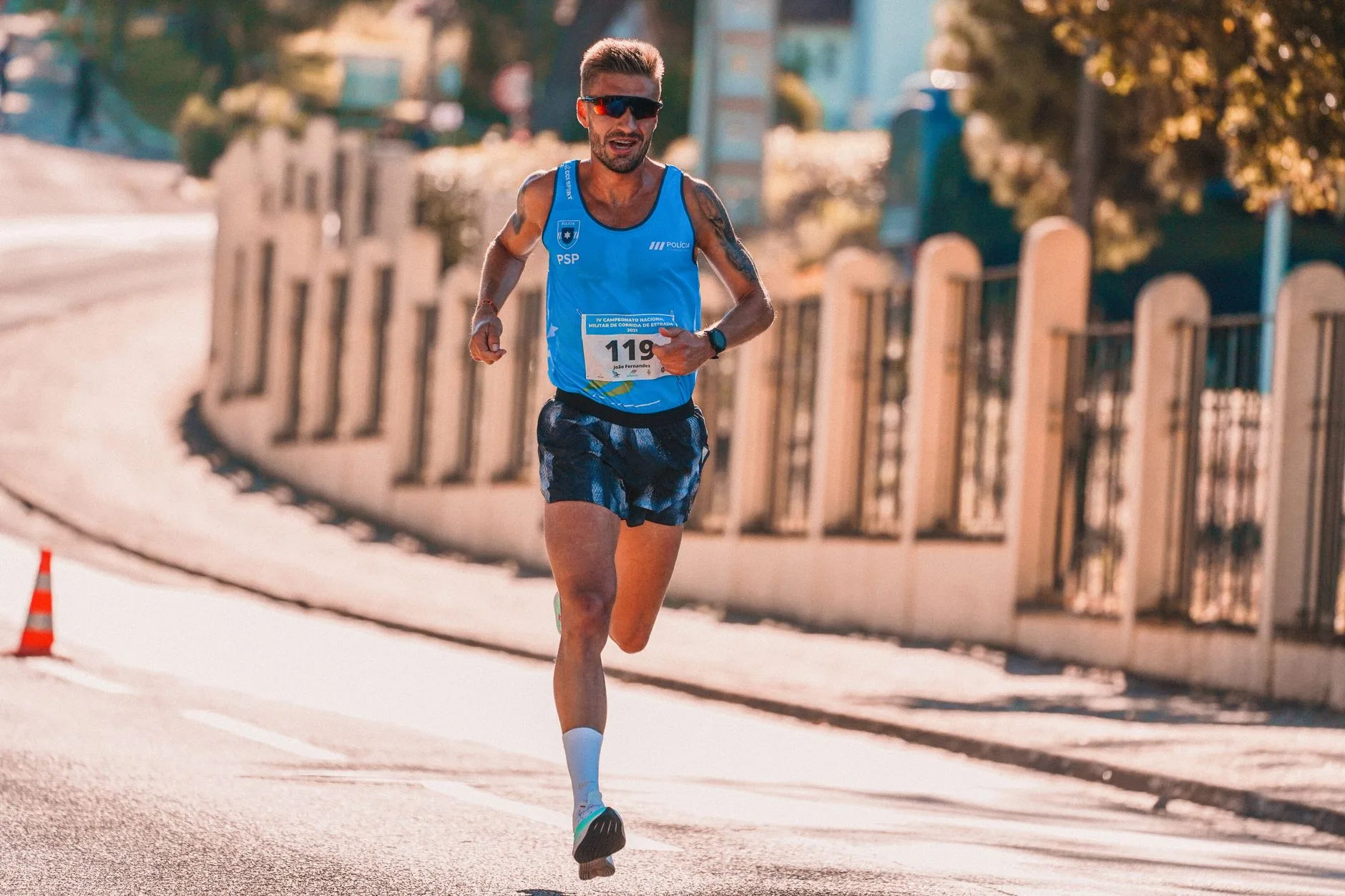
Photo by RUN 4 FFWPU on Pexels
It’s 6:45am, the sun’s already up, and your easy pace feels like a threshold effort. Your watch says you’re running 30 seconds per kilometre slower than last month, your heart rate is 15 beats higher than it should be, and you’re starting to wonder if something’s wrong with you. Nothing’s wrong with you. Heat is doing exactly what heat does.
Running in warm weather isn’t just “the same run but sweatier.” Your body is working harder to do two jobs at once — move you forward and keep your core temperature down — and that second job pulls blood away from your muscles and towards your skin. That’s why pace drops and effort rises even on routes you know well. This isn’t weakness. It’s physiology.
The good news: most heat-related running problems are entirely preventable once you understand what’s actually happening and adjust accordingly. This isn’t about toughing it out. It’s about running smart enough that summer doesn’t wreck your training block or, worse, land you in A&E.
Why heat makes every run feel harder (even if you’re fit)
Your body cools itself mainly through sweat evaporation. In hot, humid conditions, sweat doesn’t evaporate as efficiently — it just sits on your skin, which means less cooling for the same amount of fluid loss. Add direct sun exposure and you’re also absorbing radiant heat on top of what your muscles are generating.
The practical result: your heart rate climbs at a given pace because blood is being diverted to your skin for cooling, not just your legs for running. Research consistently shows that perceived effort rises in heat even when actual pace drops — meaning a 10-minute kilometre can feel like an 8-minute one did in March. If you’re chasing a specific split in July that you hit comfortably in cooler months, you’re not getting slower. You’re running under harder conditions and your body knows it, even if your training log doesn’t.
Adjust your pace expectations — with actual numbers
This is the part most runners skip, and it’s the part that prevents overheating. A widely used rule of thumb: for every 5°C increase above 10°C, expect your pace to slow by roughly 20–30 seconds per kilometre at the same effort level. Humidity above 70% makes this worse, sometimes significantly.
| Temperature | Humidity | Expected pace adjustment (same effort) |
|---|---|---|
| Under 15°C | Any | None needed |
| 15–20°C | Moderate | 10–15 sec/km slower |
| 20–25°C | Moderate–high | 20–30 sec/km slower |
| 25–30°C | High | 30–45 sec/km slower, consider shortening |
| Above 30°C | High | Move indoors or to early morning/late evening |
Use effort or heart rate, not your GPS watch’s pace alerts, to guide hot-weather runs. If you’re training for a specific race and the forecast doesn’t match race-day conditions, don’t panic about “losing fitness” — adjust the session, not the ambition.
Timing matters more than gear
The single biggest lever you control is when you run. In most of the UK, even in a heatwave, early morning (before 7am) or late evening (after 8pm) can be 5–8°C cooler than midday, with lower UV exposure too. If your schedule only allows a lunchtime run, that’s still better than skipping — but shorten it, slow it down, and pick shaded routes over open parks or exposed roads.
If you’re doing structured sessions — intervals, tempo runs — the heat is the wrong time to chase PBs. Move hard efforts to the coolest part of the day you can manage, and treat midday runs as easy, conversational-pace only. This is also a good moment to lean on a treadmill or an indoor cross-training session if you genuinely can’t avoid the heat of the day; nobody’s giving out medals for suffering through a 1pm tempo run in August.
Hydration: what actually works (and what’s overkill)
You don’t need to drink constantly through a 30-minute run. But for anything over 45–60 minutes in heat, plan ahead:
- Drink 400–600ml of water in the 2 hours before running, not all at once right before you set off.
- For runs over an hour in heat, carry fluids — a handheld bottle or a running belt works for most people.
- Replace electrolytes, not just water, on long hot runs. Sweating heavily loses sodium, and plain water alone on a 90-minute run can leave you feeling worse, not better.
If you’re unsure how much you personally lose, weigh yourself before and after a long run (same clothes, no drinking during the weigh-in). Each kilogram lost is roughly a litre of fluid you need to replace afterward. For guidance on what to actually drink, our honest comparison of electrolyte drinks covers which products are worth the money and which are just flavoured water with marketing.
Know the warning signs — and the difference between them
This is the part that isn’t optional knowledge. Heat exhaustion and heat stroke are not the same thing, and confusing them is dangerous.
Heat exhaustion (common, manageable if caught early):
– Heavy sweating, cool clammy skin
– Dizziness, nausea, headache
– Fast but weak pulse
– What to do: stop, move to shade, remove excess clothing, sip water, cool down with water on skin. Symptoms should improve within 30 minutes.
Heat stroke (medical emergency):
– Hot, dry or flushed skin — sweating may have stopped
– Confusion, slurred speech, fainting
– Very high heart rate, body temperature above 40°C
– What to do: call emergency services immediately. This is not something to push through.
The NHS guidance on heat exhaustion and heatstroke is worth actually reading once, not just skimming — it’s specific about what separates “I need to stop and cool down” from “this is an ambulance situation.”
Gear choices that genuinely help
Clothing and kit won’t cancel out heat, but the wrong choices make everything worse.
- Light-coloured, loose-fitting technical fabric over cotton — cotton holds sweat against skin and stops evaporation.
- A proper running cap built for sun and heat keeps direct sun off your head and face, which matters more than people assume for perceived effort.
- Sunscreen, reapplied if you’re out longer than an hour — sunburn impairs your body’s ability to cool itself.
- Consider a visor instead of a full cap if you overheat easily; it allows more heat to escape from the top of your head.
None of this is about buying your way out of the problem. It’s about removing small, avoidable sources of extra heat load.
When to just not run outside
There’s no medal for running through a 35°C heatwave at midday. If the temperature or humidity is genuinely dangerous — many public health bodies use a combined heat index warning system — treadmill running, indoor cross-training, or simply moving your run to early the next morning is the sensible call, not the lazy one. The CDC’s guidance on extreme heat and exercise is a useful reference if you want clear thresholds rather than guesswork. Swapping one outdoor run for an indoor session, a swim, or a bike ride doesn’t derail a training block — three weeks of smart adjustments beats one heatstroke-induced week off entirely.
The Honest Takeaway
- Expect 20–45 seconds per kilometre slower in genuine summer heat at the same effort — that’s physiology, not a fitness decline.
- Train by effort or heart rate in hot weather, not by pace targets set in cooler months.
- Run before 7am or after 8pm whenever your schedule allows; it’s the single biggest change you can make.
- Carry fluids and electrolytes on anything over an hour, and know your own sweat rate rather than guessing.
- Learn the difference between heat exhaustion and heat stroke now, before you’re dizzy on the side of a towpath trying to remember which one needs an ambulance.
Next read: Learn to spot dehydration before it ruins your run