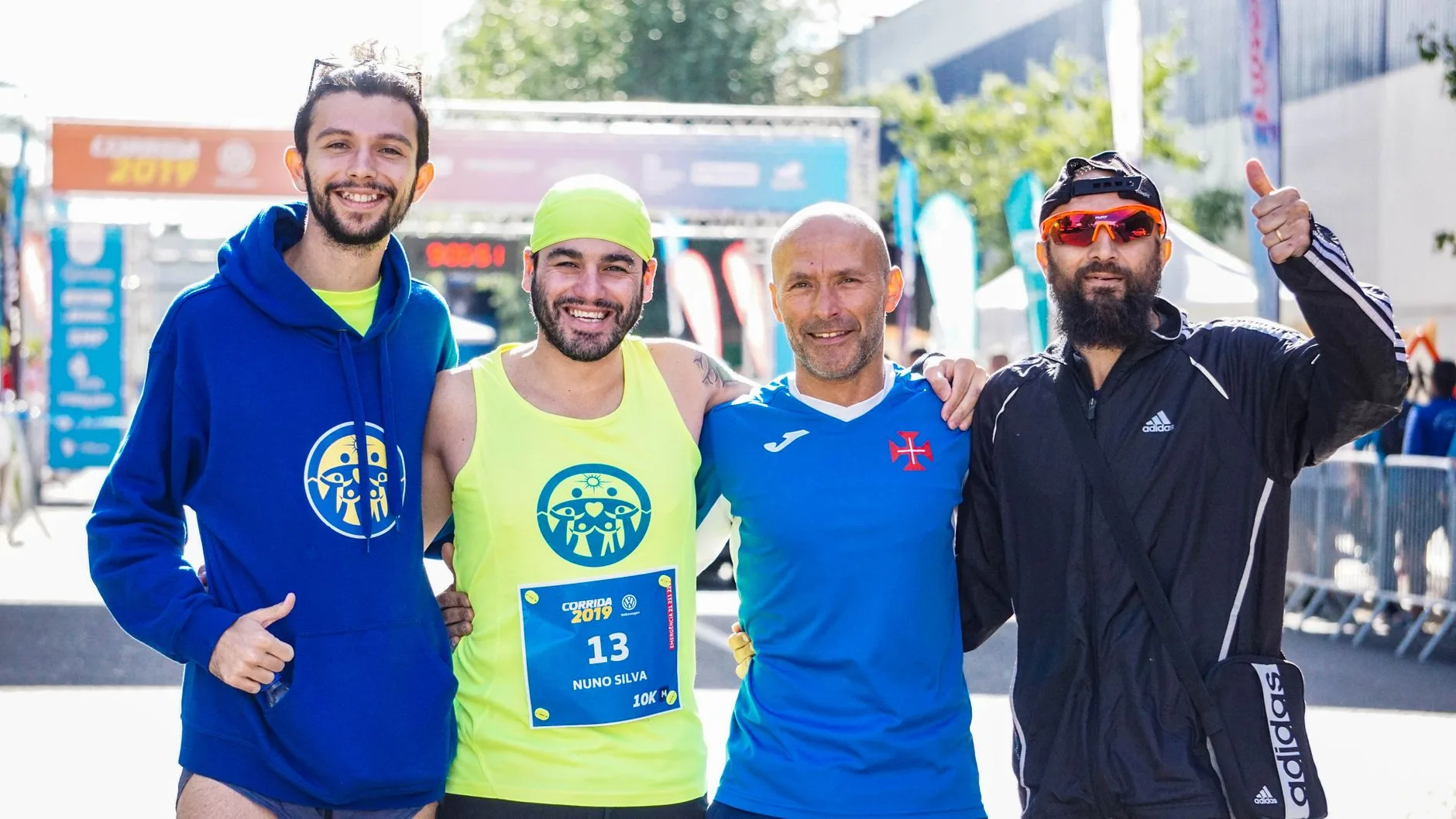
Photo by RUN 4 FFWPU on Pexels
One of the first things runners ask before their first 10K is what a “good” time looks like. The honest answer depends on your age, gender, how long you’ve been running, and what you’re comparing yourself against. Here’s a realistic breakdown.
Average 10K Finish Times by Experience Level
Based on data from mass participation running events, here are representative finish time ranges:
| Level | Men | Women |
|---|---|---|
| First-time 10K runner | 58–70 min | 65–80 min |
| Recreational (running 6–12 months) | 48–60 min | 55–70 min |
| Regular runner (1–3 years) | 40–52 min | 47–60 min |
| Trained runner | 35–42 min | 40–48 min |
| Competitive | Under 35 min | Under 40 min |
| Elite | Under 28 min | Under 31 min |
The most common finish time for recreational runners at mass participation events is 50–65 minutes for men and 55–75 minutes for women. The median finish time at large 10K races is typically around 55–60 minutes overall.
If you finish your first 10K in under 70 minutes — regardless of gender — you’ve run a solid time. If you finish, full stop, you’ve done something worth being pleased about.
What “Good” Actually Means
“Good” is relative to you, not to a field average. A more useful question than “is my time good?” is:
- Is it faster than my last 10K? Year-on-year improvement is a better measure of progress than field position.
- Was it faster than I expected? If you set out to run 60 minutes and ran 55, that’s a success regardless of where you finished.
- Did I race it well? A race where you managed your pacing well and ran negative splits (second half faster than first) is better training than one where you went out too fast and died.
Most recreational runners improve significantly in their first 2–3 years of running as their aerobic base develops. A first 10K in 65 minutes often becomes 58 minutes after 6 months of consistent training, then 52 minutes after 12 months.
Factors That Affect Your Time
Fitness level: The most obvious — the longer you’ve been running and the higher your weekly mileage, the faster you’ll tend to be.
Age: Running times slow with age, but the relationship is less dramatic than people expect before age 50. Most runners’ times are remarkably similar from their 20s through their 40s if they’re training consistently.
Course: A hilly 10K is significantly harder than a flat one. “Course PB” and “overall PB” are different things. Don’t compare a hilly-course time to a flat-course time.
Weather: Heat and humidity slow running times significantly. A 10K run in 20°C is measurably harder than one in 10°C. Hot race days produce slower times than training times in cooler conditions.
Race day adrenaline: First-time racers often run faster in a race than in training, due to the crowd, the pacing of other runners, and adrenaline. This is normal and a good thing.
Pace Breakdown: What Your Race Pace Means
Knowing your per-kilometre or per-mile pace is more useful than just a finish time, because it tells you what to aim for during the race.
| Finish time | Per km pace | Per mile pace |
|---|---|---|
| 45:00 | 4:30/km | 7:15/mile |
| 50:00 | 5:00/km | 8:03/mile |
| 55:00 | 5:30/km | 8:51/mile |
| 60:00 | 6:00/km | 9:39/mile |
| 65:00 | 6:30/km | 10:28/mile |
| 70:00 | 7:00/km | 11:16/mile |
How to Improve Your 10K Time
For beginner and intermediate runners, the biggest gains come from:
1. Running more consistently. Three or four runs per week, week in, week out, is more effective than heroic single sessions. Aerobic base builds over months, not weeks.
2. Keeping easy runs easy. Most runners run their easy runs too fast and their hard runs too slow. Easy runs should be fully conversational. If you’re breathing hard on an easy day, you’re running too fast.
3. Adding one tempo run per week. A tempo run — 20–30 minutes at a “comfortably hard” pace, roughly 80–85% effort — improves your lactate threshold, which is directly linked to 10K performance. This is the single most effective speed session for 10K improvement.
4. Doing one long run per week. Even for a 10K, a long run of 8–12 miles builds the aerobic base that makes race pace feel easier.
5. Running a race regularly. Parkrun (5km, Saturday mornings, free, 600+ UK locations) provides a timed run every week to track progress and practice racing.
Summary
There’s no universal “good” 10K time — what matters is whether your time is an improvement on your last one. That said:
- Finishing your first 10K under 70 minutes is a strong result regardless of your age or gender
- The average recreational runner finishes in 55–65 minutes — this is the realistic range to benchmark against
- Consistent training improves times more reliably than any other variable — six months of steady running makes a bigger difference than any session
- Don’t compare hilly and flat course times — they’re not equivalent
- Track progress in pace per km or mile, not just finish time — it’s a more useful training metric than overall time
Next read: How to train for a 10 mile race