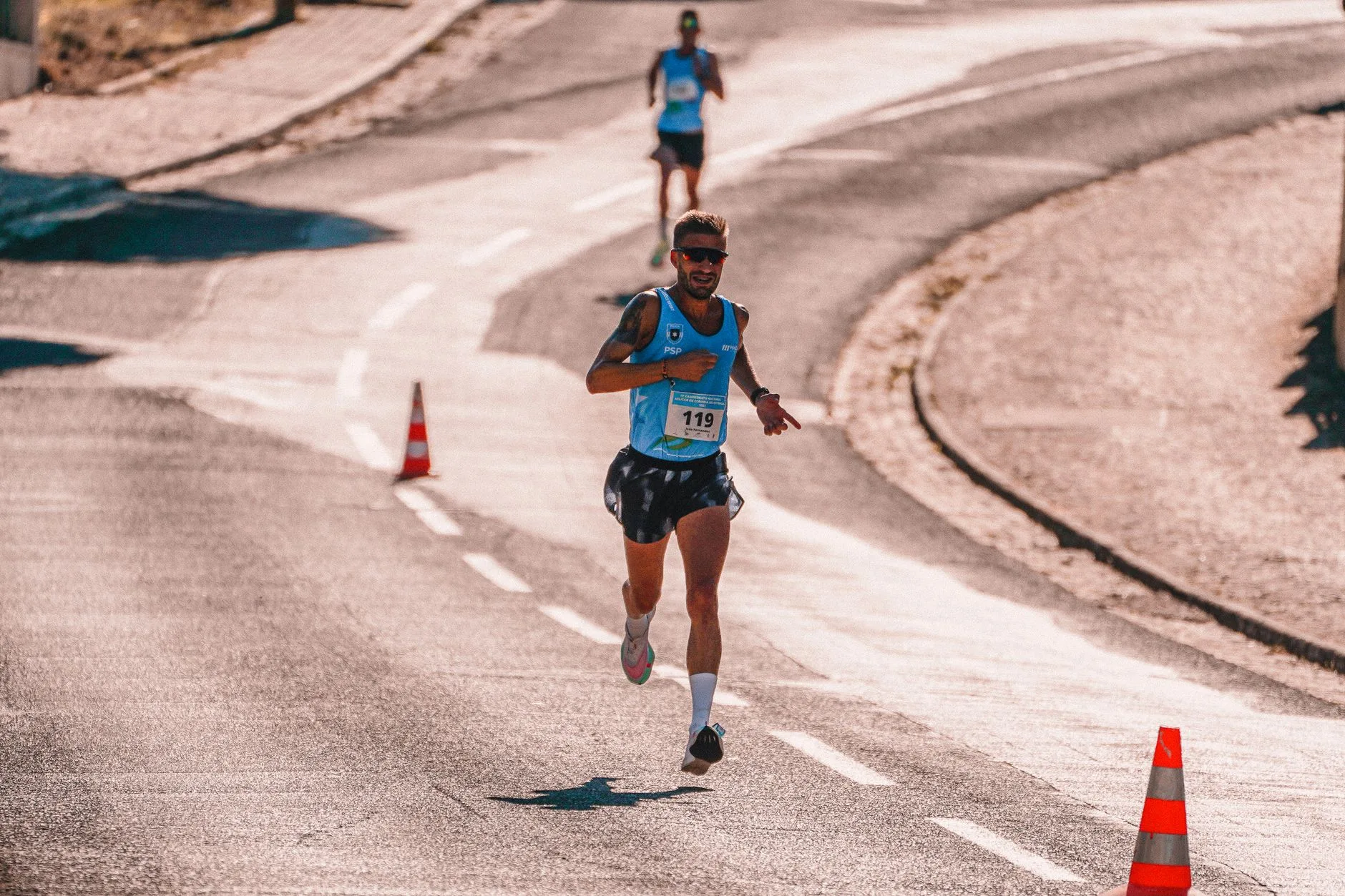
Photo by RUN 4 FFWPU on Pexels
Finishing a marathon is one of the more significant things you can do to your body. You’ve been on your feet for 3–6 hours, depleted your glycogen stores almost entirely, damaged muscle fibres through thousands of impact repetitions, lost 1–3 litres of fluid, and burned somewhere between 2,500 and 3,500 calories. What you eat in the hours and days afterwards has a direct effect on how quickly you recover — and how miserable the days after feel.
Most runners are too exhausted, too dehydrated, or too nauseous right after the finish to think about nutrition. That’s understandable. But the sooner you start refuelling, the faster your recovery begins.
Why Post-Marathon Nutrition Matters
The damage from a marathon isn’t just fatigue — it’s physiological. Your muscles have micro-tears throughout the fibres (the source of the soreness that makes stairs unusable for 2–3 days). Your immune system is temporarily suppressed — research consistently shows elevated infection risk in the 72 hours after a marathon finish, which is why so many runners get ill the week after a race. Your gut has also been through significant stress; gastrointestinal issues mid-race are common because blood flow is redirected away from the gut during running.
What you eat after the race addresses several of these at once:
– Carbohydrates replenish depleted glycogen
– Protein provides the amino acids needed to repair damaged muscle
– Fluid and electrolytes correct dehydration and sodium loss
– Anti-inflammatory foods support the immune response and reduce inflammation
In the First 30–60 Minutes After Finishing
This is the window where many runners feel least like eating. Nausea after a marathon is common — the combination of effort, dehydration, and gut stress makes the idea of food unappealing for many people. Don’t force a large meal. Do aim for:
Fluids first: Start drinking within minutes of finishing. Water is fine initially; an electrolyte drink (sports drink, coconut water, or water with electrolyte tablets) is better because you need to replace sodium as well as fluid. Aim for 500ml in the first 30 minutes.
Something small with carbohydrates and a bit of protein: Banana, chocolate milk, a recovery shake, a small bagel with peanut butter, a piece of bread with some cheese. You don’t need to eat a meal — you need to start the refuelling process while your muscles are most receptive.
Research shows the 30–60 minutes post-exercise is the window when muscles most efficiently take up carbohydrates for glycogen replenishment. If you miss this window, recovery still happens — just more slowly.
The Best Foods to Eat in the First 24 Hours
Once you’re back to the hotel or home, showered, and feeling more human, this is when proper refuelling happens.
What your body needs most:
| Nutrient | Why | Best sources |
|---|---|---|
| Carbohydrates | Replenish glycogen stores; your muscles are essentially empty | Rice, pasta, potatoes, bread, oats, fruit |
| Protein | Repair muscle damage; 1.5–2g per kg body weight in the 24 hours post-race | Chicken, fish, eggs, Greek yogurt, cottage cheese, legumes |
| Sodium | Replace sweat losses; also helps your body retain the fluid you’re drinking | Salted foods, broth/soup, olives, cheese |
| Potassium | Supports muscle function and reduces cramping | Bananas, avocado, sweet potato, spinach |
| Anti-inflammatory foods | Support immune response and reduce oxidative stress | Berries, tart cherry juice, oily fish, ginger, turmeric |
| Zinc and iron | Support immune function and red blood cell production | Red meat, shellfish (especially oysters), legumes, dark leafy greens |
A practical recovery meal in the hours after finishing:
– Bowl of pasta or rice with a protein source (chicken, salmon, or eggs)
– Side salad with olive oil dressing
– Fruit for dessert
– Glass of chocolate milk or tart cherry juice
This isn’t about eating “clean” — it’s about eating enough. Most runners significantly underfuel in the days after a marathon because they’re not training and feel guilty about appetite. Your body still needs the calories to repair.
Tart Cherry Juice: The Evidence Is Actually Good
Tart cherry juice (specifically Montmorency cherry) has more research behind it than most sports nutrition products. Multiple studies show it reduces muscle soreness, reduces markers of inflammation, and speeds recovery of muscle function after marathon running.
The protocol used in most research: 500ml per day for 5 days before the race, and 500ml per day for 2–3 days after. If you didn’t start before the race, starting after still provides benefit. It’s available at most health food shops and large supermarkets. It works — and unlike many supplements, the evidence actually supports this one.
The First 48–72 Hours: What to Prioritise
For the two to three days after the marathon, continue eating to support recovery rather than returning to your normal training diet. Key points:
Keep eating more than usual. Your resting metabolic rate stays elevated for 24–48 hours post-marathon as your body repairs. Appetite may fluctuate — some runners are ravenous, others aren’t hungry until the second day. Trust your appetite within reason, but don’t under-eat.
Protein spread across the day. Rather than eating most of your protein in one large meal, distributing it across 4–5 eating occasions (20–30g protein per meal/snack) optimises muscle protein synthesis. This means breakfast with eggs, a mid-morning snack of Greek yogurt, a protein-rich lunch, an afternoon snack, and a good dinner.
Focus on sleep. Growth hormone — the primary driver of muscle repair — is released during deep sleep. Prioritising sleep in the days after a marathon is genuinely more impactful for recovery than most nutritional interventions.
Limit alcohol. This is probably the hardest piece of advice to give because the post-marathon celebratory drink is a genuine cultural tradition. But alcohol impairs protein synthesis, disrupts sleep architecture, dehydrates you further, and suppresses the immune system. If you’re going to drink, save it for the evening of race day, keep it moderate, and don’t continue into the recovery days.
What to Avoid in the Days After a Marathon
Large amounts of fibre immediately after: Your gut has been through a hard day. High-fibre foods (large salads, lots of beans, bran cereal) can cause significant discomfort if introduced too soon after a marathon. Stick to easily digestible foods for the first 12–24 hours.
Anti-inflammatory medication (NSAIDs like ibuprofen): There’s a temptation to use ibuprofen to manage post-marathon soreness. Research suggests this may actually impair muscle recovery by blunting the inflammatory response that drives adaptation. If pain is significant, paracetamol is a better choice. Ice baths and compression have better evidence for soreness management.
Skipping meals to “balance” the race-day calorie intake: This is counterproductive. The post-marathon days are not the time to go into a calorie deficit. You’ve just completed one of the most demanding physical events a recreational athlete can do. Your body needs fuel to rebuild.
Caffeine overload: You’ve probably used caffeine as a race-day performance tool. In recovery, excess caffeine disrupts sleep quality — and sleep, as mentioned, is your best recovery tool.
A Sample Recovery Day (Day After the Marathon)
Breakfast:
3 scrambled eggs with wholegrain toast, glass of orange juice, cup of tea or coffee (one or two, not five)
Mid-morning:
Greek yogurt with berries and a drizzle of honey; glass of tart cherry juice
Lunch:
Large bowl of pasta or rice with salmon or chicken, roasted vegetables with olive oil
Afternoon snack:
Banana with peanut butter, a glass of water with electrolyte tablet
Dinner:
Grilled chicken or fish with sweet potato, steamed broccoli, avocado; another glass of tart cherry juice
Total protein for the day: approximately 120–140g for a 70kg runner — roughly adequate for active repair
Conclusion
Post-marathon nutrition doesn’t need to be complicated. Your body tells you most of what it needs — you’re hungry, you’re thirsty, you’re craving salt. The key is responding to those signals rather than overriding them in the name of “clean eating” or calorie management.
- Start within 30–60 minutes with carbohydrates and protein, even if it’s small — this window matters for glycogen replenishment
- Prioritise fluid and electrolytes before you prioritise food — dehydration compounds every other recovery issue
- Tart cherry juice actually works — the evidence for it is stronger than almost any other post-marathon supplement
- Distribute protein throughout the day rather than eating it all in one sitting — 20–30g per meal optimises muscle repair
- Sleep is the most underrated recovery tool — protect it by keeping alcohol moderate and caffeine in check in the days following the race