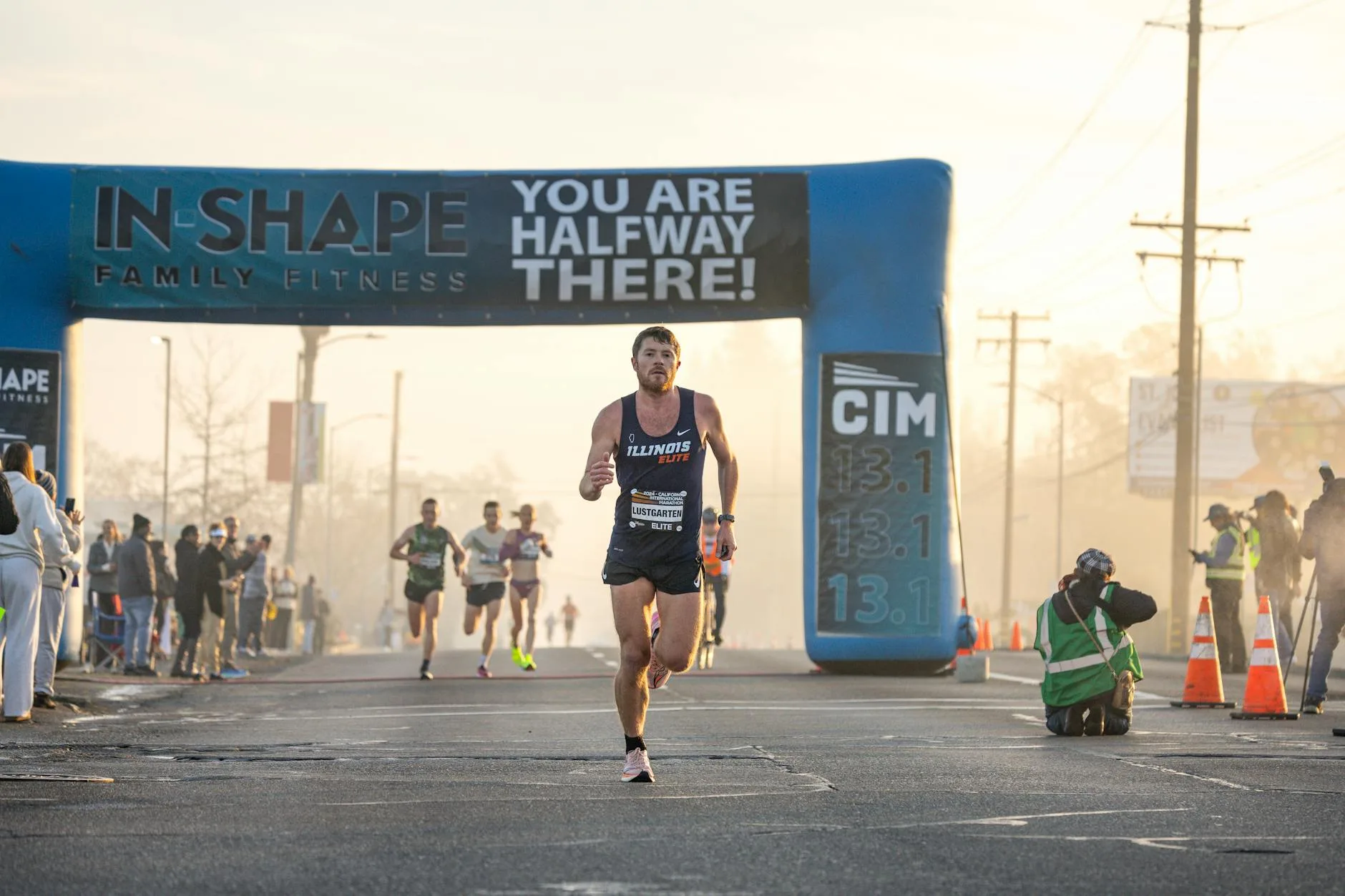
Photo by Stephen Leonardi on Pexels
Half marathon race day checklist: what to bring
Race morning has a way of making your brain go completely blank. You’ve trained for weeks — maybe months — and suddenly you’re standing in the kitchen at 6am wondering if you packed your race number, whether your watch is charged, and whether you actually own safety pins. You do not want to be that person sprinting to the information tent five minutes before the gun goes off.
This checklist is for real runners: those juggling early starts, possibly kids, definitely nerves, and a bag that needs to contain everything without becoming a logistical nightmare. Whether this is your first half marathon or your fifth, having a written list the night before changes race morning from stressful to almost calm.
What follows isn’t a generic packing guide. It’s a practical breakdown of what you actually need, what’s optional, and what to leave at home — along with a few things that catch people out every single time.
The night-before rule: pack everything then
Before we get into the list itself, the single best thing you can do is pack your bag the evening before. Not at 10pm when you’re tired and anxious. Early evening, ideally after dinner, when you can think clearly.
Lay everything out on the floor first. Check your race number is printed or available on your phone if it’s digital. Check your watch is on charge. Attach your number to your vest or shorts before you put them in the bag — not on race morning in dim light. Confirm your start time, wave, and the location of bag drop versus the start line. These are not the same place at most events.
If you’re travelling to the race the night before, your bag needs to come with you. If you’re driving on the morning, allow 30 minutes more than you think you need for parking, shuttle buses, and toilet queues.
The core kit: non-negotiables
These are the things without which you either can’t race or will regret deeply by mile 8.
Race essentials
– Race number (pinned or clipped to the front of your top)
– Safety pins — at least 4, often not provided at registration
– Timing chip (sometimes attached to the number, sometimes separate — check your race info)
– Photo ID if required at number collection
– Any medical information card if the race requires one
Kit
– Tested, washed running top — nothing brand new
– Running shorts or tights you’ve trained in
– Running shoes you’ve been wearing for at least 8 weeks. Race day is not the day for a debut. If you need guidance here, best running shoes for half marathon training covers what to look for in a half marathon-specific shoe
– Running socks — anti-blister, worn in. A cheap pair of cotton socks is a blister waiting to happen over 21km. Best running socks to prevent blisters is worth a read if you’ve had foot problems in training
– Sports bra (if applicable) — again, tested, not new
– Watch or GPS device, fully charged
– Sunglasses if conditions call for it
Nutrition and hydration: what to carry vs what’s on course
This is where runners make expensive mistakes — usually by carrying too much or trusting the course too much.
Most half marathons provide water stations every 3–5km and often isotonic drinks too. You don’t need to carry 500ml of water for the whole race. What you do need to carry:
- Your own gels or chews if you’ve practised with them in training. Do not take gels handed out on course unless you’ve trialled that brand before. How to fuel during a marathon with gels applies just as well to half marathon fuelling — the principles are the same
- A small handheld bottle or running belt if you prefer controlled hydration, particularly in warm weather
- Caffeine gel if you use one — typically saved for km 15–18 if you need a push
A simple guide to what to carry based on your expected finish time:
| Finish time | Gels needed | Carry water? | Electrolytes? |
|---|---|---|---|
| Under 1:45 | 1–2 gels | Usually no | Optional |
| 1:45–2:15 | 2 gels | Optional (belt) | Recommended |
| 2:15–2:45 | 2–3 gels | Yes (belt/bottle) | Yes |
| Over 2:45 | 3 gels | Yes | Yes |
Take your first gel around 45–50 minutes in, not at the start. After that, every 30–35 minutes. If it’s a warm day, add electrolyte tabs or a salt capsule — NHS guidance on hyponatraemia in endurance events is a useful read if you’re prone to over-drinking plain water.
The bag drop bag: what goes in and how to organise it
Most half marathons have bag drop. Here’s a practical bag drop list:
- Warm layer for before and after (it’s almost always colder than you think at 8am)
- Dry change of clothes for post-race
- Flip flops or slip-on shoes — your feet will be grateful
- Post-race snack (banana, bar, whatever settles your stomach)
- Phone, wallet, keys in a zip pocket
- Blister plasters and ibuprofen if you use it
- Foil blanket — some events provide these at the finish; some don’t
- Any medication you need access to after the race
Label your bag clearly. Use a luggage tag with your name and race number on it. Bin bags or supermarket carriers are fine for bag drop but tend to tear — use a small drawstring bag or a cheap backpack.
One thing people consistently forget: put a change of socks in the bag drop bag. Post-race sock change is underrated.
What to wear in the start pen: the throwaway layer approach
If your race starts at 8:30am in October, you will be standing in a start pen for 20–40 minutes getting cold before you even move. Wearing your race vest alone is miserable.
The solution most experienced runners use is a throwaway layer — an old long-sleeve top or cheap hoodie you don’t mind losing. You wear it to the start, strip it off once you’re warm (usually by km 2), and leave it on the roadside. Charities often collect these at larger events. Check with your race organiser.
Alternatively, if the weather is genuinely mild (above 15°C), this is less of a concern. But in spring or autumn UK conditions, a throwaway layer is worth it every time.
Anti-chafe stick — Body Glide or similar — goes on before you leave the house, not in the bag. Thighs, underarms, nipples (for men especially), anywhere your kit rubs over 21km.
The race morning timeline: when to do what
Even perfect packing falls apart with bad timing. Here’s a realistic race morning schedule based on a 9:00am start:
| Time | Action |
|---|---|
| 6:00am | Wake up, breakfast (familiar food — porridge, toast, banana, 2–3 hours before start) |
| 6:45am | Get dressed, anti-chafe on, number attached |
| 7:00am | Leave for venue (or drive to parking) |
| 7:45am | Arrive, collect number if not pre-collected, find bag drop |
| 8:00am | Bag drop done, toilet queue (go earlier than you think) |
| 8:15am | Light warm-up walk or gentle jog, 5–10 minutes |
| 8:30am | Move to start pen, throwaway layer on, GPS watch signal found |
| 8:55am | Final gel check, watch started, deep breath |
If your start is earlier or you’re travelling from a hotel, adjust backwards. The point is: build in more time than you think you need at every stage.
The stuff people always forget
Every race, someone is scrambling for one of these:
- Safety pins — pack 6, not 4. You’ll lose one.
- Sunscreen — particularly for spring/summer races. You’ll be out for 1:30–2:30+ hours.
- Headphones — if you run with music, check they’re charged and connected to your phone before you leave. More on whether you even want them: running with music vs without
- A charged phone — for photos, tracking apps, or if a supporter wants to track you
- The actual start time — wave starts mean your wave might not go until 30–45 minutes after the first gun. Know your wave
The Honest Takeaway
- Pack the night before, not the morning of. Lay everything out on the floor and check it against this list. Pin your number to your top while you’re at it.
- Wear nothing new on race day — not shoes, not socks, not a vest. Every item should have been run in at least twice.
- Carry your own nutrition. Even if the course has gels, don’t rely on a brand you haven’t tested.
- Build more time into race morning than you think you need. Parking, toilets, bag drop, and start pens all take longer when there are 5,000 other runners doing the same thing.
- The throwaway layer and anti-chafe stick are not optional for most UK conditions. These two small things will make the first and last kilometres significantly more comfortable.
Next read: How to run a half marathon without bonking