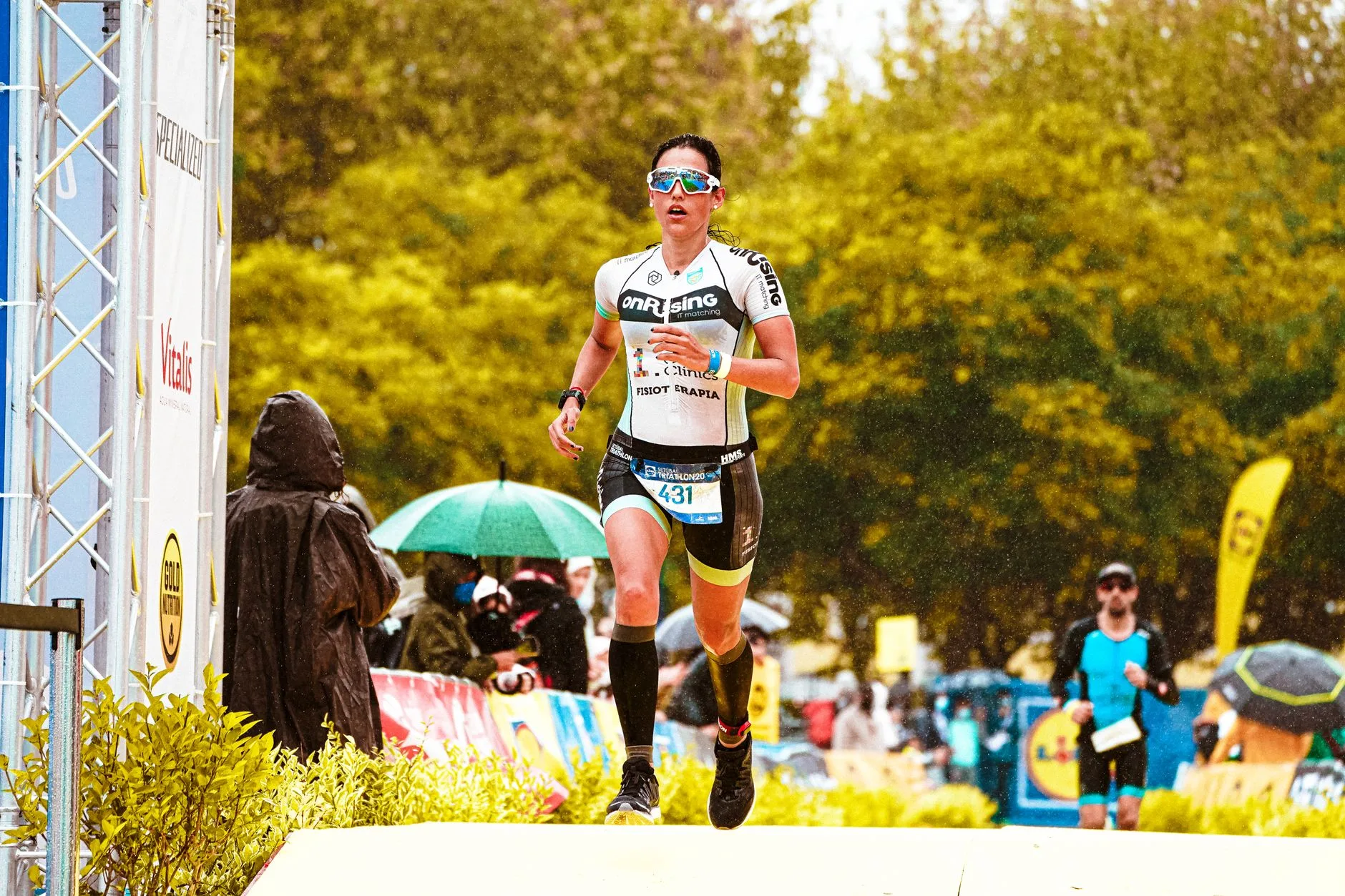
Photo by RUN 4 FFWPU on Pexels
Bad weather running separates runners who train consistently year-round from those who only run when conditions are perfect. More practically, many road races — particularly autumn and spring events in the UK and northern Europe — take place in cold, wet, or windy conditions. Knowing how to prepare and how to adjust is a genuine performance advantage.
This guide covers cold running, rain, and wind separately, plus what to wear and how pacing changes in adverse conditions.
Running in the Cold
Cold air is denser and harder to breathe than warm air, and cold muscles don’t function as efficiently as warm ones. But cold-weather running is also easier on your cardiovascular system (you don’t overheat the way you do in summer), and many runners find they perform better on cool, crisp days than in warm conditions.
Core principles:
Layer, but not too much. The most common cold-weather running mistake is overdressing. You should feel slightly cool at the start — within 10 minutes of running, your body generates enough heat to warm you up. If you feel warm before you start, you’ll overheat during the run.
A practical cold-weather layering guide:
| Temperature | What to wear |
|---|---|
| 10–15°C | T-shirt or short-sleeve top; optional light gloves |
| 5–10°C | Long-sleeve base layer; optional light jacket; gloves |
| 0–5°C | Long-sleeve base layer + a second layer or wind-resistant jacket; gloves; ear cover |
| Below 0°C | Base layer + insulating mid-layer + wind jacket; gloves; buff or balaclava; consider thermal tights |
Protect your extremities first. Heat loss through your hands, ears, and head is disproportionate. Lightweight gloves and an ear band or buff are the highest-priority additions in cold weather — they make a bigger difference than adding a layer to your torso.
Warm up longer. Cold muscles need more preparation. Before a cold-weather run, spend at least 5–10 minutes walking or jogging slowly before increasing pace. This is particularly important for your Achilles tendons and calves, which are more vulnerable to strain when cold.
Protect your breathing. In very cold conditions (below -5°C), a buff or snood pulled up over your mouth and nose warms the air before it reaches your airways and reduces the burning sensation and risk of exercise-induced bronchoconstriction (airway tightening) that some runners experience.
Running in Rain
Rain doesn’t significantly affect performance, but it dramatically affects comfort — and the gear you choose determines whether a wet run is miserable or manageable.
Waterproof vs. water-resistant:
- Water-resistant (DWR-treated) jackets repel light rain for 30–45 minutes but eventually saturate. Lighter, more breathable, better for most road runs.
- Waterproof jackets (Gore-Tex, eVent) keep you dry in sustained heavy rain. Less breathable, can feel hot in hard efforts. Worth it for long trail runs in prolonged rain.
For most road runners, a water-resistant jacket is enough. Get completely soaked once while wearing one and decide if you need to upgrade.
Socks: Standard running socks become heavy and slip when soaked. Wool-blend socks (Drymax, Wrightsock double-layer) stay more comfortable wet than polyester socks. Waterproof socks (SealSkinz) keep your feet dry in light rain but feel hot once the rest of you is wet — a niche product most runners find more useful for short races or trail running in puddle-heavy conditions.
Anti-chafe is more important in rain. Wet skin chafes significantly more than dry skin. Apply Body Glide or Vaseline to inner thighs, underarms, and any area where clothing rubs before a long run in the rain.
Post-run shoe care: Stuff wet shoes with newspaper and leave them in a warm (not hot) place to dry overnight. Direct heat (radiators, tumble dryers) degrades the foam and adhesive. Remove the insoles to dry separately.
Running in Wind
Wind has a more direct effect on running performance than cold or rain, because headwind creates genuine aerobic resistance — running into a strong wind can add 20–30 seconds per kilometre to your effort.
Pacing in wind:
Run by effort, not pace, in windy conditions. If you normally run at 5:30/km, that pace in a 25km/h headwind might require 6:15/km effort. Chasing the watch in these conditions means you’re working harder than your training plan intends.
Use wind tactically in a race: If you know the course, plan which sections will have headwind and tailwind. Ease off on headwind sections (don’t burn yourself out fighting the wind), then push on tailwind sections where the wind is working for you.
Layering for wind: A wind-resistant outer layer (not necessarily waterproof) is the single most effective piece of kit in cold-wind conditions. Wind chill dramatically lowers the effective temperature: 5°C with a 30km/h wind feels like -3°C. A thin wind jacket that fits under a race vest is worth its weight in any cold, windy race.
Race Day Bad Weather: What to Actually Do
Check the forecast the day before. Adjust your gear plan — don’t show up to a race expecting mild conditions if 25km/h winds are forecast.
Use a throwaway layer. For cold race starts, wear a cheap fleece or charity shop jumper over your race kit at the start. Discard it just before the gun. Collecting gear or leaving it with spectators is only practical for smaller races.
Adjust your goal. Hot races are well-known for slowing times, but cold and windy races also produce slower times than ideal conditions. A 5% increase in time is a reasonable expectation in difficult conditions. If you’ve targeted 55 minutes and it’s blowing a gale and raining, 58 minutes is a good performance.
Don’t let rain stop you from fuelling. Many runners forget to take gels in rainy races because they’re distracted. Stick to your fuelling plan regardless of weather.
Summary
Bad weather running is manageable with the right gear and adjusted expectations:
- Dress in layers and expect to feel slightly cold at the start — you’ll warm up within 10 minutes
- Prioritise gloves and ear cover over adding torso layers — extremities lose heat fastest
- Run by effort, not pace, in wind — headwind adds meaningful resistance that your watch won’t account for
- Apply anti-chafe products before long runs in the rain — wet skin chafes significantly more
- Adjust race time expectations by 5–10% in difficult conditions — bad weather slows everyone; it’s not a failure to finish slower than planned
Next read: How to run in high humidity and heat