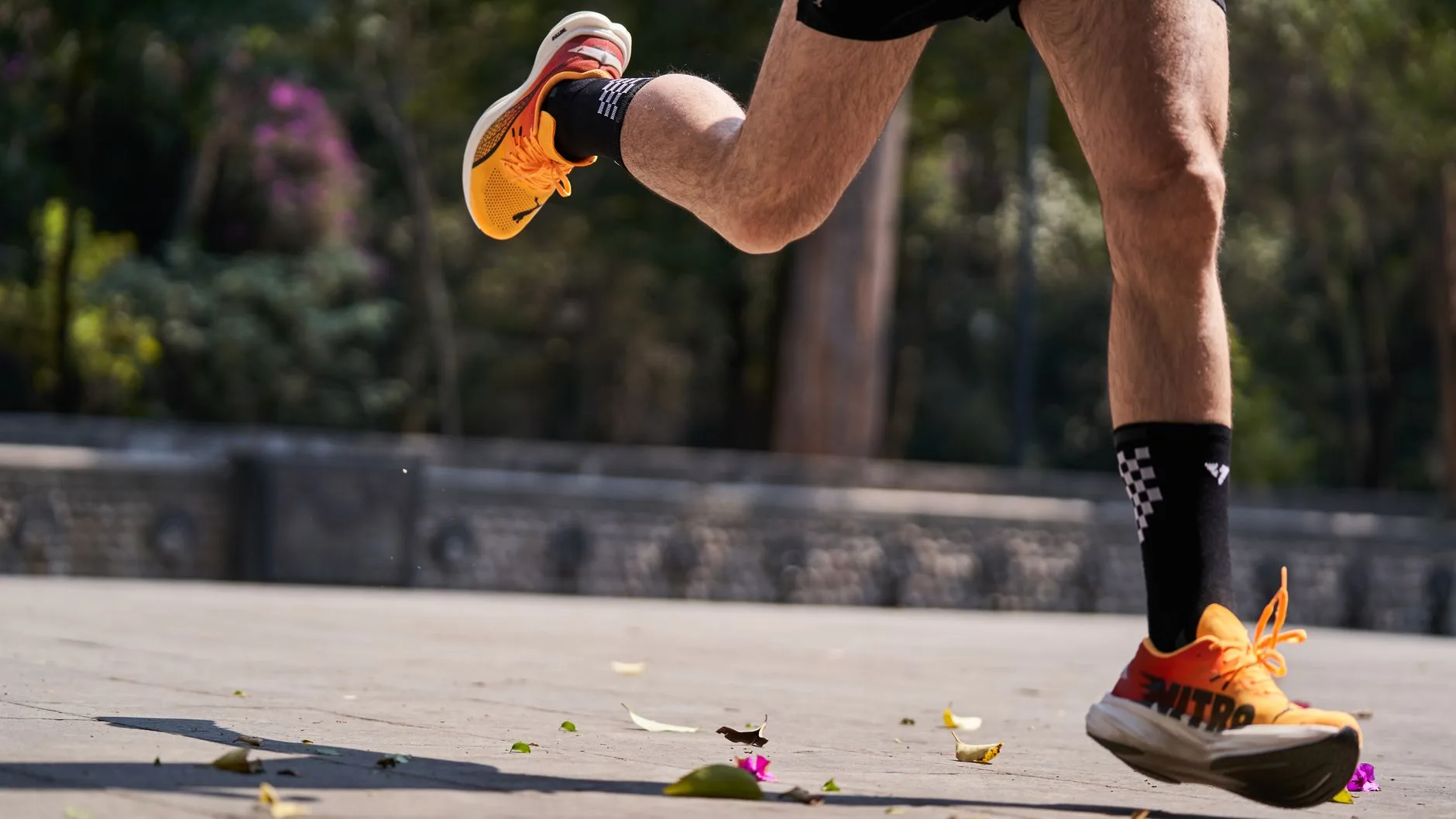
Photo by Willians Huerta on Pexels
Shin splints — the catch-all term for pain along the inner or front edge of the shinbone (tibia) — affect up to 35% of new runners and are one of the most common reasons people quit running before their body has fully adapted. They’re almost entirely preventable with the right approach to training load, and treatable within 2–4 weeks in most cases if caught early.
What Shin Splints Actually Are
The medical term is medial tibial stress syndrome (MTSS). It refers to inflammation of the tendons, muscles, and bone tissue around the tibia, caused by repeated stress exceeding the tissue’s recovery capacity.
There are two types:
Medial shin splints (most common): Pain on the inner edge of the shin, typically in the lower two-thirds of the bone. Caused by excessive stress on the tibialis posterior muscle and the bone’s periosteum (outer membrane).
Anterior shin splints: Pain along the front of the lower leg, in the tibialis anterior muscle. More common in runners who overstride or run downhills hard.
In both cases, the underlying mechanism is the same: you’ve increased training load (mileage, intensity, surface hardness) faster than your bone and connective tissue can adapt.
The Difference Between Shin Splints and a Stress Fracture
This distinction matters because the treatments are different:
Shin splints: Pain spread over a diffuse area (5–10cm) along the shin. Usually dull aching during and after running. Tenderness when you press along the inner shin edge. Improves with rest.
Stress fracture: Point-specific tenderness — pain that’s localised to a spot the size of a 10p coin when you press with one finger. More intense pain during running that doesn’t resolve quickly. May hurt at rest.
If pain is point-specific and intense, see a doctor. Stress fractures require rest from running for 6–8+ weeks and, if ignored, can progress to complete fracture.
What Causes Shin Splints
1. Too much, too soon: The most common cause. The cardiovascular system adapts faster than bone and tendon. Your lungs will allow you to run more before your shins are ready.
2. Running on hard surfaces without appropriate shoes: Pavement transmits more impact than trail or grass. Running in worn-out shoes that have lost their cushioning compounds this.
3. Overpronation: Rolling inward excessively on foot strike increases stress on the inner shin. Stability or motion-control shoes can reduce this.
4. Weak hip and calf muscles: Poor hip stability and weak calves increase the load transferred to the shin during running.
5. Running downhills too hard: The tibialis anterior (front of shin) works eccentrically (braking) on downhill running — a sudden increase in downhill running is a common trigger.
How to Prevent Shin Splints
Follow the 10% rule strictly: Never increase weekly mileage by more than 10% per week. If you’ve been running 20 miles per week, don’t jump to 30 next week. This single rule prevents the majority of shin splints in new runners.
Run on softer surfaces when possible: Grass, trail, and rubberised track surfaces absorb more impact than concrete. Mixing surfaces reduces cumulative shin stress.
Replace shoes before they’re dead: Most running shoes need replacing at 400–600 miles (640–960km). Running in worn-out shoes increases impact stress significantly.
Strengthen your calves: Single-leg calf raises (3 sets of 15, progressing to single-leg) build the calf and Achilles complex that absorbs impact and reduces shin load. Do these 3x per week as a preventive measure.
Strengthen your hips: Weak hip abductors cause increased load on the shin. Glute bridges, lateral band walks, and side-lying clams address this. Include them in any cross-training or strength routine.
Run with a shorter stride: Overstriding (landing with your foot far in front of your body) increases ground impact on each step. Increasing cadence by 5–10% naturally shortens stride and reduces shin stress.
Treating Shin Splints If They’ve Started
Reduce mileage: Not necessarily to zero, but reduce volume by 30–50% and eliminate any speed or intensity work until the pain resolves.
Ice: 15–20 minutes of ice on the affected area 2–3 times daily during the acute phase (first 2–3 days of significant pain). Reduces inflammation.
Calf raises: Eccentric calf work (lower slowly on one leg) is both preventive and therapeutic for shin splints once the acute inflammation has subsided.
Cross-train: Swimming and cycling maintain fitness without the impact stress on the shin. If you have to rest running entirely for a week or two, cross-training keeps you fit.
Assess your shoes: If your shoes are old or if shin splints are recurring, get a gait assessment at a running shop and consider whether your shoes are appropriate for your foot type.
Return to running gradually: After a week of reduced pain, return with shortened runs (20–30 minutes), soft surface where possible, and wait 3 days between runs before increasing again.
How Long Do Shin Splints Last?
Most cases resolve within 2–6 weeks with appropriate management (reduced load, strengthening, ice). Ignoring shin splints and continuing to train through significant pain can progress them to stress reactions or stress fractures, which take 6–12 weeks to heal.
The pattern to watch: if pain is worse every day rather than improving, see a sports medicine doctor or physiotherapist.
Summary
Shin splints are almost entirely a training load management issue:
- Never increase weekly mileage more than 10% — the most important single prevention measure
- Strengthen calves and hips — weak calf and hip abductor muscles transfer more stress to the shin
- Replace shoes before they’re worn out — at 400–500 miles for most running shoes
- Ice and reduce mileage early if shin pain starts — catching it at the soreness stage prevents it progressing to a stress injury
- See a doctor if pain is point-specific rather than diffuse — to rule out a stress fracture
Next read: How to safely increase your weekly running mileage