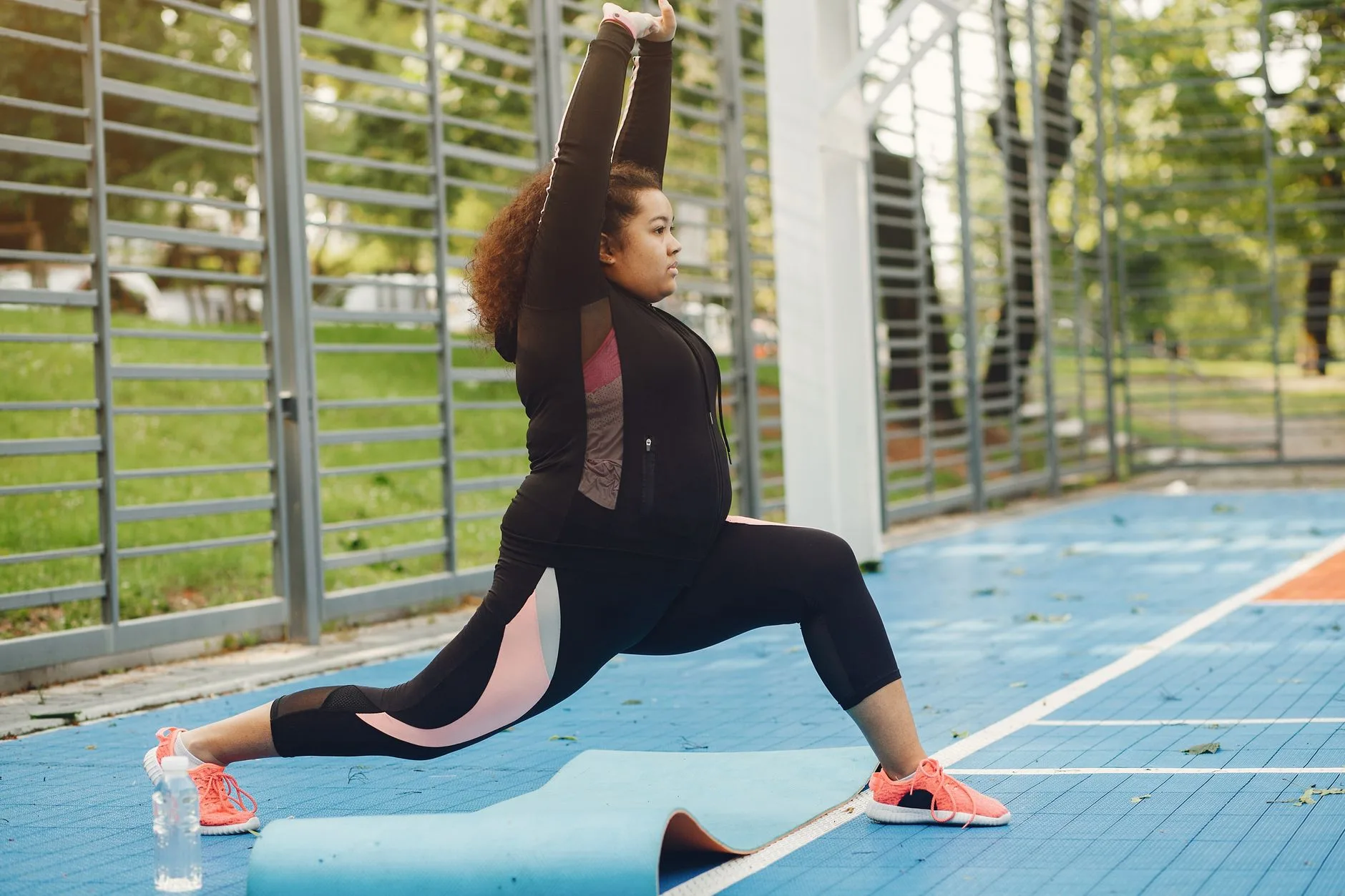
Photo by Gustavo Fring on Pexels
Running is one of the most accessible and effective forms of exercise available — but starting when carrying extra weight requires some specific considerations that standard beginner advice doesn’t address. The good news is that with the right approach, running is genuinely achievable and enormously beneficial regardless of starting weight.
Why Running Is Worth Starting
Before the practical advice: running when overweight is hard, but it works. The cardiovascular, metabolic, and mental health benefits begin from the first sessions — you don’t need to reach a particular weight before they kick in.
Studies consistently show that the health benefits of regular physical activity are available to people of all sizes. Running at any pace, for any distance, contributes to cardiovascular health, improved insulin sensitivity, better sleep, and reduced anxiety.
Start with Walking and Running Intervals
Running continuously from day one is not necessary and not advisable for heavier beginners. The body — particularly the joints, tendons, and connective tissue — needs time to adapt to the repetitive impact of running.
The Couch to 5K (C25K) programme is specifically designed around this. It starts with 60-second running intervals alternated with 90-second walks. Week 1, you run for a total of 8 minutes. By Week 9, you run 30 minutes continuously. The gradual progression is the entire point.
The NHS C25K app (free, iOS and Android) manages the timing and progression automatically. Follow the programme exactly — don’t skip weeks or compress the timeline.
Joint Protection
Higher body weight means higher impact forces on joints with each foot strike. This increases the risk of knee and hip issues if load is increased too fast.
Go slower, not shorter: Running very slowly (slow enough that walking feels tempting) significantly reduces the impact force compared to running at a moderate pace. Slow running is still running, and it’s the appropriate pace for beginners regardless of weight.
Use soft surfaces: Grass, trail, and packed dirt absorb more impact than tarmac or concrete. If accessible, running on softer surfaces in the early weeks reduces cumulative joint stress.
Avoid back-to-back running days at the start: Allow 48 hours between sessions initially. Connective tissue (tendons, cartilage) adapts more slowly than muscle and cardiovascular fitness. Three sessions per week with rest days between is the right model for at least the first 8–10 weeks.
Strengthen gradually: Strong glutes and quads protect the knee. Once running is established, adding simple strength exercises (glute bridges, bodyweight squats, calf raises) 2–3 times per week reduces injury risk significantly.
Footwear Is Non-Negotiable
For heavier runners, the right shoes matter more than for lighter runners. Inadequate cushioning is a direct contributor to joint stress and injury.
Get a gait analysis: Visit a specialist running shop (Sweatshop, Up and Running, Runners Need, your local independent running shop) and ask for a gait analysis. They’ll watch you walk and jog, identify your foot strike and pronation pattern, and recommend appropriate shoes. This service is typically free.
Look for: Good cushioning (maximalist or neutral shoes with high stack height work well for heavier runners), appropriate support for your pronation level, and a wide toe box if your feet are wide.
Replace shoes regularly: Heavier runners compress midsole foam faster. Replace running shoes every 300–500km rather than the 500–800km often cited for lighter runners. Worn-out cushioning feels fine but is not providing the protection it should.
Chafing Prevention
Skin-on-skin friction and fabric-on-skin friction are more significant concerns at higher body weight. Don’t underestimate chafing — it can genuinely make running painful and cause skin damage.
Apply anti-chafe product before every run: Body Glide, Vaseline, or Squirrels Nut Butter on inner thighs, underarms, bra edges (for women), and anywhere fabrics rub against skin. This takes 30 seconds and prevents hours of discomfort.
Choose the right fabrics: Moisture-wicking synthetic fabrics reduce friction compared to cotton. Seams that sit at friction points (inner thigh seams in shorts) cause chafing — choose running shorts with flat seams or compression lining.
Compression shorts or tights: Many heavier runners find compression shorts or tights more comfortable than loose shorts — they eliminate thigh-on-thigh friction entirely.
Managing Breathlessness
Breathlessness during early running sessions is normal and not a sign that running is the wrong activity. Cardiovascular fitness improves rapidly with consistent training — what’s difficult now will be manageable within 4–6 weeks.
The talk test: If you can speak a full sentence without pausing for breath, you’re at the right pace for easy running. If you can’t, slow down. For beginning runners, this often means going much slower than feels like “real running” — that’s correct.
If you have known cardiovascular or respiratory conditions: Speak with your GP before starting a running programme. Most conditions are compatible with a gradual walking-to-running programme, but medical clearance is sensible.
Realistic Progress Expectations
Running progress when heavier is genuine but sometimes slower than for lighter runners — partly because the body is working harder against a greater load with each step. This is not a reason to stop; it’s context for patience.
A reasonable timeline:
– Weeks 1–4: Walk/run intervals becoming more comfortable
– Weeks 5–9: Continuous running for 20–30 minutes feels achievable
– Months 3–6: Completing a 5K, building consistency
– Months 6–12: Meaningful cardiovascular fitness improvement, reduced injury risk as the body adapts
Weight loss may or may not follow — running is excellent exercise but diet drives most weight change. Focus on the running habit rather than the scale.
Summary
Running tips for overweight beginners:
- Start with the C25K programme — the walk/run interval structure is specifically designed for beginners; don’t skip steps
- Get a gait analysis and proper running shoes — cushioning and support matter more at higher body weight; visit a specialist running shop
- Apply anti-chafe product before every run — Body Glide or Vaseline on inner thighs and any friction points; chafing is avoidable and running with it is miserable
- Go slower than feels necessary — the talk test (full sentences comfortably) is the pace guide; most beginners run too fast and tire too quickly
- Allow 48 hours between sessions in the first 8 weeks — connective tissue adapts slower than cardiovascular fitness; rest days are not optional
Next read: Couch to 5K: complete guide for beginners