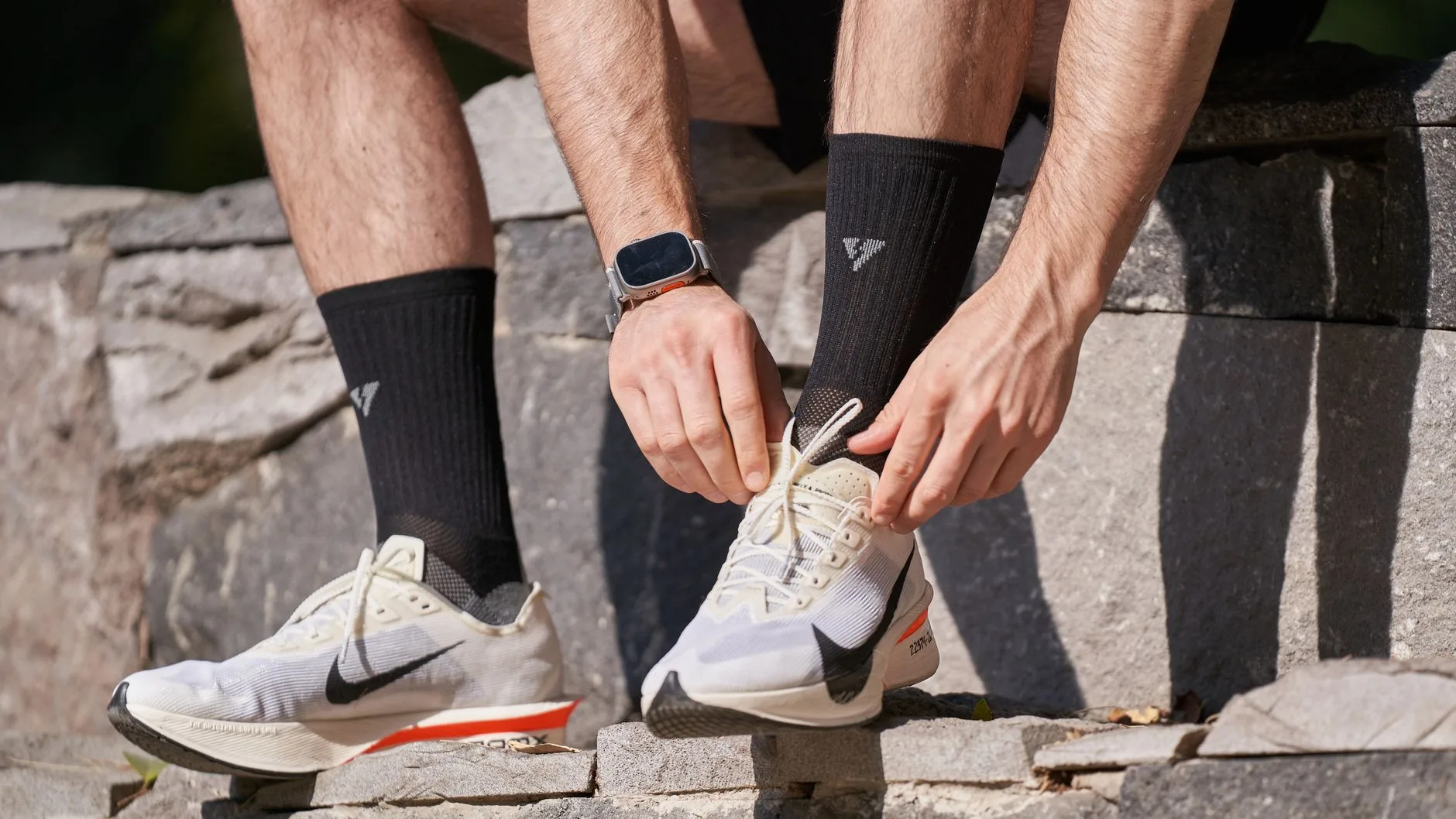
Photo by Willians Huerta on Pexels
If you’ve spent any time in a running forum or watched a barefoot-running documentary at 11pm when you should be asleep, you’ve probably wondered whether your cushioned trainers are doing more harm than good. Minimalist shoes promise something appealingly simple: less shoe, more foot, a return to how humans supposedly ran before marketing departments got involved. It’s a compelling story. It’s also not the whole story.
The honest answer is that minimalist shoes work brilliantly for some runners and put others on the physio’s table within six weeks. There’s no universal verdict here, which is annoying if you wanted a clean yes or no, but useful if you actually want to make the right call for your own legs.
This isn’t about hype or fear. It’s about what the shoe actually changes in your stride, who tends to benefit, and how to find out — without a stress fracture — whether you’re one of them.
What “minimalist” actually means
The term gets used loosely, so let’s define it properly. A shoe is generally considered minimalist if it has:
- Low heel-to-toe drop — usually 0–4mm, compared to 8–12mm in a standard trainer
- Thin midsole — less cushioning between your foot and the ground, often under 15mm
- High flexibility — you can twist and fold the shoe easily in your hands
- Minimal structure — little to no arch support, motion control, or stability posting
- Light weight — typically 150–220g for a men’s size 9
True barefoot shoes (like early Vibram FiveFingers) sit at the extreme end. “Minimal” trainers from brands like Altra, Topo, or Merrell’s Vapor Glove line sit somewhere between that and a standard cushioned daily trainer. It’s a spectrum, not a category, and where a shoe sits on it matters more than the label on the box.
The theory — and where it holds up
The pitch for minimalist shoes rests on a reasonable biomechanical idea: thick, structured shoes can encourage a heavier heel-strike, and removing that cushioning often shifts runners toward a midfoot or forefoot strike with a shorter, quicker stride. This does happen, and it’s measurable. It’s also true that your foot has 26 bones and over 100 muscles, ligaments, and tendons designed to do real work — arch support, shock absorption, propulsion — that a rigid, heavily cushioned shoe can partially do for you instead.
Where it falls apart is the leap from “this changes your mechanics” to “this makes you a better or safer runner.” Research since the barefoot boom of the early 2010s hasn’t shown that minimalist shoes reduce injury rates across the board. Some runners get stronger feet and fewer knee issues. Others develop stress fractures in the metatarsals or calf strains, because their tissues weren’t ready for the sudden increase in load through the lower leg and foot. The shoe doesn’t cause harm on its own — the mismatch between shoe and preparation does.
Who tends to do well in minimalist shoes
Not everyone is a good candidate, and that’s fine — this isn’t a shoe for moral superiority. People who tend to adapt well share a few traits:
- Already have a midfoot or forefoot strike, or naturally land closer to the front of the foot when barefoot on grass
- Run relatively low weekly mileage (under 40km/week) when starting the transition, giving tissues time to catch up
- Have strong calves and healthy Achilles tendons — minimalist shoes load these structures significantly more
- No history of stress fractures, plantar fasciitis, or Achilles tendinopathy
- Willing to go slowly — this is a months-long adaptation, not a shoe swap
If you’re currently dealing with any Achilles issues, this is the wrong moment to experiment — a low-drop shoe increases tension through that tendon, which is the opposite of what you need. If that’s you, it’s worth reading about Achilles tendinopathy and whether you can keep running before touching a minimal shoe.
Who should probably skip it
There’s no shame in this list — it’s most runners, honestly.
- Heel strikers with a long-standing gait pattern. Changing this under load, rather than gradually and deliberately, is where injuries come from.
- Higher weekly mileage runners training for a half marathon or marathon, where recovery time between sessions is already tight
- Anyone overweight relative to their current running fitness — more load through less cushioning is a genuine equation, not an insult
- Runners who’ve had metatarsal stress fractures, plantar fasciitis, or chronic calf tightness
- Anyone who just wants to try it because it seems “purer” — that’s not a training rationale, it’s vibes, and vibes don’t heal stress fractures
If your main goal right now is getting through your first half marathon or building a consistent 10k base, a minimalist shoe is a distraction from the actual work. Save the experiment for a lower-stakes training block.
How to transition without wrecking yourself
If you’ve decided it’s worth trying, the transition is the whole game. Most injuries from minimalist shoes happen because runners switch too fast, not because the shoe is inherently dangerous.
| Week | What to do | Volume in minimalist shoes |
|---|---|---|
| 1–2 | Short runs only, on soft surfaces (grass, track) | 1–2 runs, 1–2km each |
| 3–4 | Add one slightly longer run | 2 runs, 2–4km each |
| 5–6 | Introduce on regular routes, still easy pace | 2–3 runs, up to 5km |
| 7–10 | Gradually increase, monitor calves/Achilles daily | Up to 30–40% of weekly mileage |
| 10+ | Reassess — full switch, partial rotation, or stop | Individual |
A few rules that matter more than the schedule itself:
- Run by feel, not by plan. Any sharp pain in the foot arch, forefoot, or Achilles is a stop signal, not a “push through” signal.
- Keep your easy pace genuinely easy during the transition — this is not the block to chase a personal best.
- Do calf raises 3–4 times a week (3 sets of 15, both straight and bent knee) to build the strength these shoes demand.
- Rotate, don’t commit fully for the first few months. Wear your normal trainers for long runs and speed work; save the minimalist pair for short easy efforts.
This kind of gradual loading approach is the same principle behind base building for runners — tissue adapts to gradual, consistent stress, not sudden change, regardless of what’s on your feet.
What the evidence actually says
It’s worth being straightforward here: the sports science on minimalist shoes hasn’t delivered the sweeping benefits early advocates promised, but it also hasn’t proven them dangerous when introduced properly. The NHS’s general running advice doesn’t take a strong stance either way on shoe drop or cushioning — because footwear choice is genuinely secondary to training load, recovery, and gradual progression. The shoe is a variable. It’s not the main event.
If you’re chasing performance gains specifically, it’s also worth knowing that minimalist shoes are the opposite end of the spectrum from carbon-plated racing shoes — if you’re curious about that comparison, our piece on carbon plate shoes covers what actually moves the needle on race day.
A realistic middle ground
You don’t have to choose between “maximum cushion” and “barefoot purist.” Many runners land happily in the middle: a low-drop (4–6mm) trainer with moderate cushioning, or a “natural” shoe that encourages a shorter stride without stripping away all protection. Brands like Altra, Saucony (Kinvara line), and some Topo models sit here. This gets you some of the theoretical benefit — foot strength, cadence awareness — without the steep injury risk curve of true minimalism.
If you’re not sure where your current shoes sit on that spectrum, it’s worth reading through a proper guide to choosing running shoes as a beginner before buying anything new — drop and cushioning matter more than brand name.
The Honest Takeaway
- Minimalist shoes aren’t inherently good or bad — they’re a tool that suits a specific gait, mileage, and injury history. Most runners aren’t that runner, and that’s not a failure.
- If you have any current Achilles, calf, or plantar fascia issues, this is not the time to experiment. Fix those first.
- Transition over 8–10 weeks minimum, on soft surfaces, at easy pace, with calf strength work alongside it — not because a schedule demands it but because tissue adaptation actually takes that long.
- Rotate rather than commit fully for your first few months — keep your normal trainers for long runs and hard sessions.
- If your main goal is a race — 5k, 10k, half, or marathon — this is a side project for later, not something to layer onto an active training block.
Next read: How to choose the right running shoes as a beginner