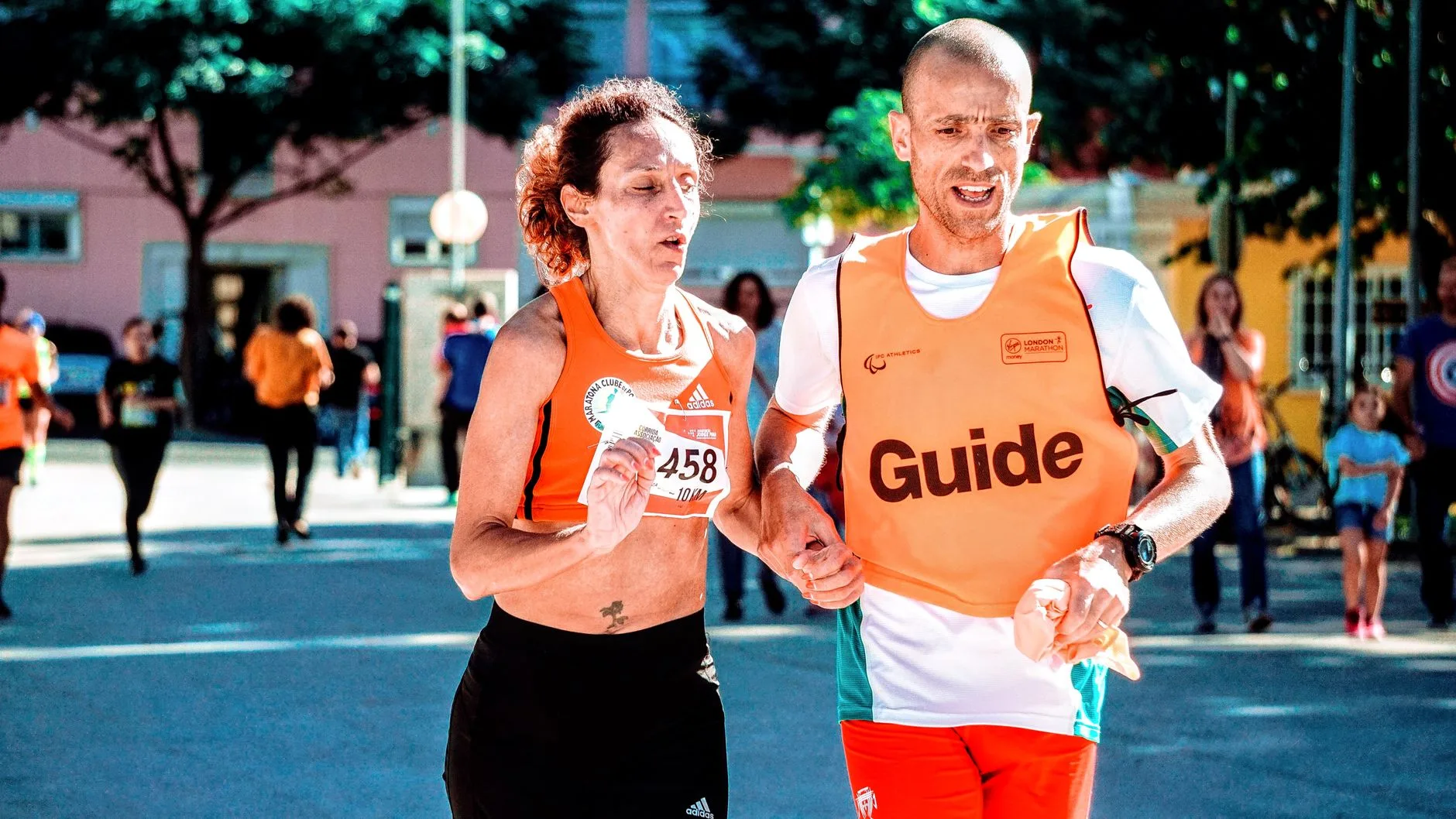
Photo by RUN 4 FFWPU on Pexels
Chicago Marathon Guide for First-Time Runners
You got in. Maybe through the lottery, maybe through a charity bib, maybe you’ve been chasing this one for two years. Either way, it’s October and you’re staring down 26.2 miles through a city that, frankly, has built one of the best marathon courses on the planet. Flat, fast, loud, and utterly relentless in the best way — Chicago doesn’t let you hide for a single mile.
That’s the good news and the slightly intimidating news at once. There’s no excuse of hills to blame a slow finish on. There’s also nowhere to disappear if your pacing goes sideways at mile 20. If this is your first marathon full stop, or your first time doing a major, here’s what actually matters — not the Instagram version, the practical one.
This isn’t a “believe in yourself” pep talk. It’s what to train for, what to expect on the day, and where people genuinely go wrong.
The Course: Why “Flat” Doesn’t Mean “Easy”
Chicago’s course drops through 29 neighborhoods and loses/gains almost no elevation — official numbers put total elevation change under 40 meters across the whole route. That’s a gift if you’re chasing a specific time. It’s also a trap if you’re new to marathons, because flat courses invite even pacing that’s too fast early, since your legs simply don’t feel the effort yet.
The other thing nobody warns you about: crowd noise. Chicago pulls close to a million spectators along the route, and neighborhoods like Boystown, Pilsen, and Chinatown get genuinely loud. It’s brilliant for morale and dangerous for pacing — adrenaline plus crowd energy plus a flat road is exactly how people go out 20-30 seconds per kilometer faster than planned and pay for it after mile 18.
Training Timeline: What You Actually Need
Sixteen weeks is the standard runway for a first marathon, and it works for Chicago as well as anywhere. If you’re starting from a base of running 3 times a week and around 15-20 miles total, that’s enough — you don’t need to have run a marathon before, but you should be comfortable with a 90-minute continuous run before week one starts.
A structured 16-week marathon training plan for beginners will get you through the mileage build, the long run progression, and the taper without guesswork. The key numbers to hold onto:
- Peak weekly mileage: 35-45 miles (56-72km) for most first-timers, not more
- Longest training run: 20 miles (32km), done 3 weeks before race day
- Easy run pace: conversational — you should be able to speak in full sentences
- Taper: mileage drops by roughly 25%, 50%, then 75% over the final 3 weeks
If life gets in the way of a session — and it will, because Chicago training runs through July and August heat plus back-to-school chaos if you have kids — don’t chase missed miles. One skipped run doesn’t undo eight weeks of work. What actually derails people is trying to “make up” for it by doubling a long run.
Pacing: The Number One Reason People Blow Up
Here’s the honest bit. More first-time Chicago runners fall apart from going out too fast than from any fueling mistake, weather issue, or lack of fitness. The course is flat, the crowd is electric, and your legs feel fresh for the first 10 miles regardless of what your training actually supports.
Work out your goal pace from a recent race result, not from a number you’d like to be true. If your most honest recent 10K or half marathon time suggests a 4:15 marathon, don’t train for 3:50 because Chicago is flat. Flat helps you hold pace evenly — it doesn’t make you faster than your current fitness.
| Target finish | Per-mile pace | Per-km pace | First 10K should feel |
|---|---|---|---|
| 3:30 | 8:00/mi | 4:58/km | Comfortably controlled |
| 4:00 | 9:09/mi | 5:41/km | Easy, slightly held back |
| 4:30 | 10:18/mi | 6:24/km | Conversational |
| 5:00 | 11:27/mi | 7:07/km | Very easy, walk breaks fine |
If you’re not sure what pace you’re actually built for, this is where understanding hitting the wall in a marathon and why it happens is worth 10 minutes of reading before race week, not after.
Fueling and Hydration: What Chicago Specifically Demands
Chicago is a big-city marathon with aid stations roughly every mile, offering water and Gatorade Endurance. That’s genuinely helpful — you don’t need to carry much. What you do need is a rehearsed fueling plan from your long runs, not a plan invented on the day.
Practical numbers: aim for 30-60g of carbohydrate per hour once you’re past the 60-90 minute mark, through gels, chews, or the on-course sports drink. Test this exact plan — same brand, same timing — on at least two of your 18-20 mile training runs. Race day is not the day to discover a gel disagrees with your stomach.
Carbohydrate loading before a marathon is worth doing properly in the 2-3 days beforehand — it’s not about one big pasta dinner the night before, it’s a gradual shift in the days prior. Chicago in early-to-mid October can also swing from cold at the 7:20am start to warm by midday, so hydrate steadily rather than overloading on water in one go — the NHS has sensible guidance on staying hydrated during exercise without overdoing it.
Weather: Prepare for Both Extremes
Chicago’s race-day weather has ranged from near-perfect low 50s°F (around 10-12°C) to genuinely dangerous heat above 80°F (27°C) in some recent years, occasionally prompting organizers to issue heat advisories or modify the race. You cannot control this, but you can prepare for both:
- Check the 10-day forecast starting the Monday of race week, not before — it’ll be more accurate
- If heat is forecast, plan to run 15-20 seconds per mile slower than your target pace and lean harder on the aid stations
- Layer for the start corral wait — you’ll be standing around for 30-45 minutes before your wave goes, and Chicago mornings in October are genuinely cold
- Old throwaway layers you’re happy to discard at the start line are standard practice here
Race Week and Race Day Logistics
Chicago is a major marathon, which means big-city logistics: expo pickup is mandatory (no race-day bib collection), corrals are assigned by predicted finish time, and the start area at Grant Park gets crowded early. Practical points that catch first-timers out:
- Get to your corral 45-60 minutes before your wave start — security and bag check take longer than you’d expect
- Gear check bags are limited to one small bag; know exactly what’s in it before you arrive
- The course has two out-and-back style sections where you’ll see faster runners heading the other way — mentally prepare for this rather than being thrown by it
- Family/friend spectating works best if you agree specific mile markers in advance — cell signal gets patchy in the crowds
Break in whatever you plan to wear on the day well before race week — new shoes, new socks, new shorts are all invitations for chafing at mile 15. Anti-chafe products for runners are worth sorting out two weeks out, not the morning of.
Mentally Preparing for Miles 18-24
This is where Chicago gets honest with you. The crowd support is still loud, but your legs are tired and the flat course stops feeling like a gift and starts feeling like an endless, exposed road. This is normal. It happens to almost everyone, first marathon or tenth.
Break the back end into small, boring chunks: get to the next mile marker, then the next. Have a mantra that isn’t inspirational nonsense — something functional, like counting your breath for 10 strides. If you want a genuinely honest account of what this stretch feels like from someone who’s been through it, reading about a first marathon experience and what the writer wished they’d known beforehand is more useful than any hype video.
The Honest Takeaway
- Run your own pace for the first 10 miles, even when the crowd and the flat road are begging you to go faster — most people’s marathon falls apart from mile 1 mistakes, not mile 20 ones.
- Rehearse your fueling plan on at least two long training runs using the exact products you’ll use on race day.
- Prepare for both heat and cold — Chicago has delivered both in recent years, and your race-day plan should flex either way.
- Arrive at your corral early and know your gear-check limits before race week, not the morning of.
- Expect miles 18-24 to be hard. That’s not a sign anything’s wrong — it’s just what the back half of a marathon is. It ends, and you keep moving until it does.
Next read: Berlin Marathon guide for first timers