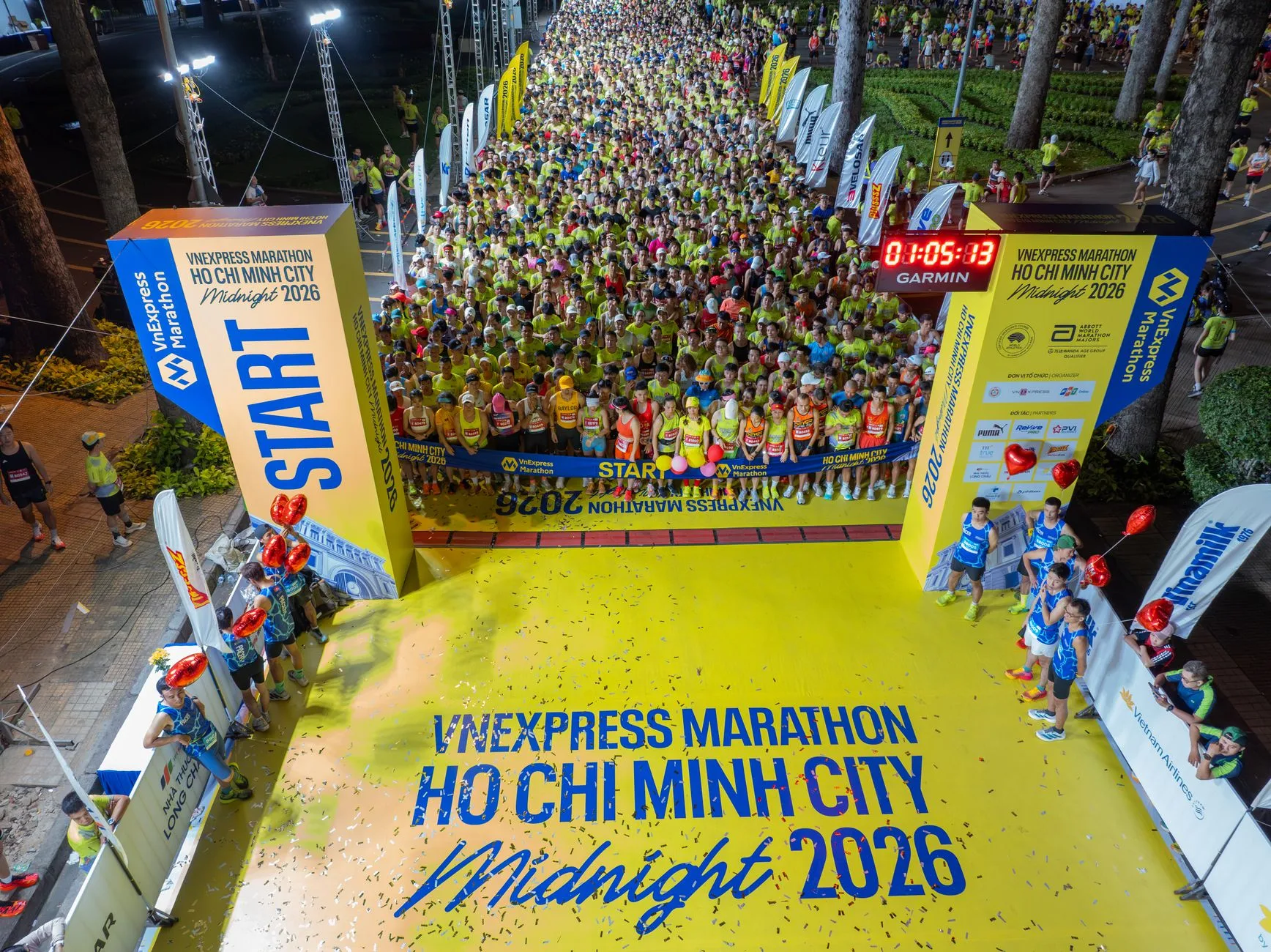
You got the email. Maybe after four years of ballot rejections, maybe through a charity place that came with a £2,000 fundraising target and a slight sense of panic, maybe you just got lucky. Either way, you’re running the London Marathon, and somewhere between the excitement and the terror, you’ve realised you have no idea what you’re actually walking into.
That’s normal. London isn’t like your local 10k or even a smaller city marathon. It’s 50,000+ runners, a course that runs through five boroughs, and crowd noise that people who’ve run six marathons still talk about years later. None of that is a reason to be more anxious. It’s a reason to be prepared, which is a different thing entirely.
This guide covers what first timers actually need to know — not the romantic stuff you’ll already have seen on Instagram, but the practical details that make race day feel manageable instead of overwhelming.
The logistics nobody warns you about
London is a point-to-point course, which means getting to the start in Blackheath or Greenwich Park takes real planning. You’ll likely be up by 6am, travelling via train with thousands of other nervous people, and then standing around in a massive holding area for an hour or two before your wave even starts.
A few things that genuinely help:
- Wear clothes you’re happy to throw away. There are donation points at the start, but plenty of runners just bin an old jumper once the gun goes. Don’t arrive in your only decent layer.
- Bring your own water for the start pen. Queues for the loos are long and the wait is longer than you think — budget 90 minutes minimum from arrival to start.
- Check your wave and start time carefully. London uses colour-coded waves based on your predicted finish time. Starting too far back for your actual pace just means weaving through slower runners for the first 5k, which wastes energy you’ll want later.
The organisers’ official site has detailed, borough-specific travel advice closer to race day — it’s worth reading properly rather than skimming, because road closures genuinely do affect which station you should use.
The course: where it’s easy and where it bites
London is famous for being flat and fast, and broadly that’s true — but “flat” doesn’t mean “easy,” and the course has a shape to it that catches first timers off guard.
| Mile range | What’s happening | What it feels like |
|---|---|---|
| 1–6 | Greenwich, Woolwich, gentle downhill start | Crowded, adrenaline-heavy, easy to go out too fast |
| 7–13 | Cutty Sark, Tower Bridge, halfway point | Loudest crowds of the day — genuinely euphoric |
| 14–19 | Isle of Dogs, Canary Wharf | Quieter, more enclosed, mentally the hardest patch |
| 20–23 | Embankment along the river | Flat but relentless — this is where it gets real |
| 24–26.2 | Big Ben, Birdcage Walk, The Mall | Crowds surge back, but your legs are done |
The single biggest mistake first timers make is treating miles 1–6 as “free” because they feel so good. The crowds are loud, you’re full of energy, and the slight downhill makes a 10–15 second/km faster pace feel effortless. It isn’t free. That early surplus gets paid back with interest somewhere around mile 20, often on the Isle of Dogs, which is quieter, slightly exposed to wind, and exactly where your pacing discipline (or lack of it) shows up.
If you haven’t nailed your race-day pacing strategy yet, it’s worth revisiting what you learned building your base — the 16-week marathon training plan for beginners is built around exactly this kind of even-effort pacing, and the lessons from long training runs apply directly here.
Fuelling and hydration on the day
London has water stations roughly every mile, plus Lucozade Sport stations at set points (check the official course map for exact locations — they change slightly year to year). The volume of options is actually a hazard for first timers: it’s tempting to drink at every single station because it’s there, which can leave you bloated and uncomfortable by mile 15.
A more sensible approach:
- Drink to thirst, not out of habit — small sips, not full cups
- Take on 30–60g of carbohydrate per hour from mile 5 or 6 onwards, via gels, not waiting until you feel low
- Practise your exact race-day fuelling plan in training, not for the first time on the day — your gut needs the rehearsal as much as your legs
If you haven’t sorted your gels yet, it’s genuinely worth comparing options rather than grabbing whatever’s cheapest at the supermarket — taste and texture matter a lot more at mile 20 than they do sitting on your sofa.
What your pace should actually look like
Most first-time marathoners run London 10–20 seconds/km slower than their half marathon pace for the first two-thirds of the race, then hold or slightly fade. That’s a realistic, honest target — not the even-splits fantasy that pacing charts sometimes sell you.
| Goal finish time | Target pace (min/km) | Realistic first-half approach |
|---|---|---|
| 5:30 | 7:50/km | Run 8:00–8:10/km, bank nothing |
| 5:00 | 7:06/km | Run 7:15–7:20/km |
| 4:30 | 6:24/km | Run 6:30–6:35/km |
| 4:00 | 5:41/km | Run 5:45–5:50/km |
| 3:30 | 4:58/km | Run 5:00–5:05/km |
The pattern is the same regardless of speed: go out slightly conservative, because the crowds and downhill start will make “conservative” feel like you’re barely trying. That feeling is a trap. Trust the numbers on your watch, not the feeling in your legs during the first 10k.
The wall, the crowd, and mile 22
Somewhere between mile 18 and 22, most first-time marathoners hit a point where the maths of the remaining distance feels genuinely unfair. This is completely normal and not a sign you’ve trained wrong. It’s partly physiological — glycogen stores running low even with good fuelling — and partly just the honest difficulty of asking your body to keep moving for four-plus hours.
What actually helps here isn’t motivation, it’s structure:
- Break the remaining distance into chunks — “get to the next mile marker,” not “6.2 miles left”
- If you’ve planned walk breaks, take them on schedule rather than waiting until you’re desperate — a 30-second walk at mile 20 that you chose is very different from one your legs force on you
- Read the crowd signs — London’s spectators are relentless and genuinely funny, and letting that lift you for even 200 metres is a legitimate tactic, not a cop-op
If you’re dealing with a string of rough training runs in the lead-up and it’s knocking your confidence, it’s worth reading about bouncing back from a bad run — the mental skill of not catastrophising one bad session is exactly what gets tested at mile 22.
Gear and kit decisions to make now, not race week
Nothing new on race day. This is the oldest rule in marathon running and first timers break it constantly because the expo is full of tempting new shoes and shiny gels. Resist it.
By two weeks out you should know:
- Exactly which shoes you’re racing in, with at least 60km run in them already
- Your sock choice, confirmed against blister risk — London’s course has enough camber and repeated foot-strike to expose any weak spot in your sock game
- Your fuelling plan, rehearsed on your last two or three long runs
- What you’re wearing based on realistic April weather — London Marathon day has ranged from 8°C and drizzling to over 20°C and sunny, so check the forecast in the final week and adjust, don’t guess in January
The Honest Takeaway
- Don’t trust how easy miles 1–6 feel — that’s the downhill and the crowd noise talking, not your fitness. Run your planned pace even when it feels too slow.
- Rehearse your fuelling and gear choices in training now, so race week is just logistics, not decisions.
- Plan for mile 20–22 to feel genuinely hard — that’s not a sign of failure, it’s just what the back end of a marathon is like for almost everyone, fast or slow.
- Get your travel and start-pen logistics sorted a week out, not the morning of — the admin around London is bigger than the running itself on race day morning.
- Whatever your finish time, finishing London as a first timer is the achievement. Nobody at the finish line on The Mall is checking anyone else’s watch.