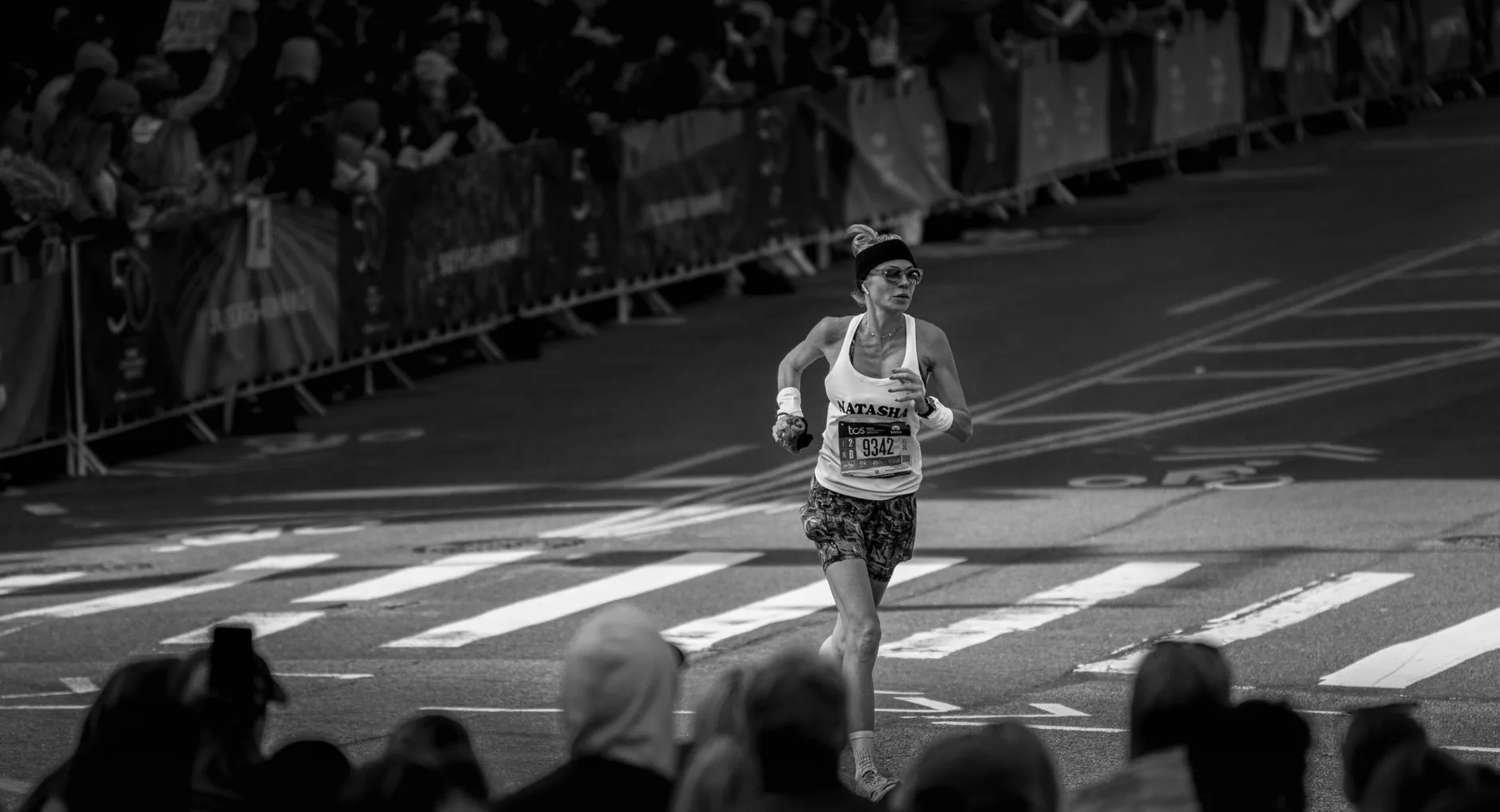
Photo by Derek French on Pexels
You got the email. Maybe you won the lottery after three years of entering, maybe you ran for a charity place, maybe you qualified. Either way, you’re standing at the start of the biggest race most runners will ever attempt, in a city that doesn’t do anything small. That’s exciting and slightly terrifying, and both reactions are correct.
The New York City Marathon is unlike most races you’ll have run before — not because the distance changes, but because everything around it is bigger. Five boroughs, over 50,000 finishers, a start line you reach by ferry or bus at 6am, and crowds that will genuinely carry you through miles you didn’t think you had in you. None of that helps you if you haven’t trained properly or if you go off too fast down First Avenue.
This guide covers what actually matters for a first-timer: the training timeline, the course itself, race week logistics, and the mistakes that catch out otherwise well-prepared runners every single year.
Start with an honest training timeline
Sixteen to twenty weeks is the realistic window for marathon preparation, and that’s true whether you’re running in Central Park or on the Verrazzano Bridge. If you’re coming from a base of running three times a week and 20-25km total, don’t skip straight to marathon-specific training — build first.
If you’ve got less than four months and minimal base fitness, be honest with yourself about your goal. Finishing upright and injury-free is a better target than a specific time. A structured plan matters more than motivation here — this 16-week marathon training plan for beginners gives you the structure without assuming you’re already running 60km weeks.
Your long runs should build gradually to 32-35km, done at a conversational pace — roughly 60-90 seconds per km slower than your target marathon pace. Don’t chase pace on these; chase time on feet and the confidence of knowing your body can handle the distance.
Know the course before you land
New York’s course is deceptively hard. It’s not flat, and the crowds — as good as they are — can pull you into a faster pace than you planned in the first 10 miles.
| Section | What to expect | Pacing advice |
|---|---|---|
| Miles 1-3 (Staten Island) | Verrazzano Bridge climb, cold and windy at the start | Hold back — this feels easier than it should |
| Miles 4-13 (Brooklyn) | Long, loud, flat-ish, huge crowds | Easy to go too fast here — stay disciplined |
| Miles 13-15 (Queens/Pulaski Bridge) | Quieter, another bridge climb | Settle in, save energy |
| Mile 15 (Queensboro Bridge) | Silent, no crowds, steady incline | Mentally tough — expect it |
| Miles 16-18 (First Avenue) | Deafening crowds, huge energy spike | Resist speeding up — this is where people blow up |
| Miles 18-22 (Bronx/Harlem) | Rolling, fewer crowds, mental low point | Break it into smaller chunks |
| Miles 23-26.2 (Central Park) | Rolling hills, finish energy | Dig in — the finish is genuinely emotional |
The Queensboro Bridge at mile 15 catches people off guard every year — no crowd noise after the roar of Brooklyn, a steady climb, legs already tired. Expect it and it won’t rattle you.
Fuelling and hydration aren’t optional extras
You cannot run 26.2 miles on willpower and water. Practise your race nutrition on long runs, not on race day — that’s non-negotiable. Aim for 30-60g of carbohydrate per hour once you’re past the 60-minute mark, and know exactly which gels or chews sit well with your stomach before November.
Carb loading matters more than most first-timers realise, and getting it wrong (too much, too late, or the wrong foods) can undo months of good training. This guide to carbohydrate loading before a marathon breaks down the timing properly. The NYC course has aid stations roughly every mile from mile 3 onwards, offering water and Gatorade — but don’t rely solely on course fuel if you’ve trained with something specific.
Hydration in November in New York is a different problem to summer racing — you may not feel thirsty, but you’re still losing fluid. The NHS guidance on staying hydrated during exercise is a solid baseline if you’re unsure how much you actually need.
Race week logistics that catch people out
New York doesn’t make it easy to get to the start line, and that’s before you’ve run a step.
- Getting to Staten Island: Most runners take the Staten Island Ferry, then a bus to the athletes’ village. Build in at least 3 hours before your wave start — delays are common and there’s no shortcut once you’re in the queue.
- The athletes’ village wait: You’ll be there for hours in the cold. Bring layers you’re happy to donate (charity bins are everywhere), a bin bag for ground cover, and food you don’t mind not eating.
- Wave and corral times: Check your bib for your specific wave — starts are staggered over several hours. Don’t assume everyone starts at once.
- Baggage: You can check a bag that gets transported to the finish, but the process takes planning. Read the NYRR instructions properly rather than assuming it works like your local 10k.
None of this is complicated, but doing it wrong burns nervous energy and time you don’t have to spare on race morning.
Your shoes and kit are not the place to experiment
If you’ve been training in a shoe that works, wear it on race day — this is not the time to try the pair you got as a gift two weeks ago. If you’re still deciding what to train in, this breakdown of best running shoes for half marathon training has principles that carry over to marathon distance too.
Chafing is a real risk over 26.2 miles, especially with the temperature swings of a November race — cold start, potential warm-up by midday. Vaseline or a proper anti-chafe balm in the usual spots (underarms, inner thighs, nipples if you’re male) isn’t vanity, it’s damage control. Worth reading up on anti-chafe products that actually work before race week, not during it.
The mental low points are real — plan for them
Somewhere around mile 20-22, in the Bronx or heading back into Manhattan, most first-time marathoners hit a wall they didn’t expect. This isn’t weakness — it’s physiology. Glycogen stores run low, and if your pacing was even slightly too ambitious early on, this is where it costs you.
Understanding how to avoid hitting the wall in a marathon before race day means you’ll recognise the warning signs (sudden fatigue, foggy thinking, legs that stop responding) and know it’s fuel and pacing, not failure.
Break the last 10km into smaller pieces mentally. “Get to mile 24” is more manageable than “run 6 more miles.” The crowds in Central Park in the final stretch are loud enough to carry almost anyone home — use them.
The Honest Takeaway
- Give yourself 16-20 weeks of structured training, and build your long run to at least 32km before race day — fitness on the day matters more than any last-minute gear decision.
- Study the course profile, especially the Queensboro Bridge silence at mile 15 and the First Avenue surge at mile 16 — both catch first-timers off guard.
- Practise your race nutrition on training runs, not on the day itself. 30-60g of carbs per hour, tested and tolerated in advance.
- Build in extra time for every piece of race-morning logistics — the ferry, the bus, the athletes’ village wait. New York doesn’t reward last-minute plans.
- Expect a mental low around mile 20. It’s normal, it’s physiological, and it passes — especially once the crowds pull you into Central Park.