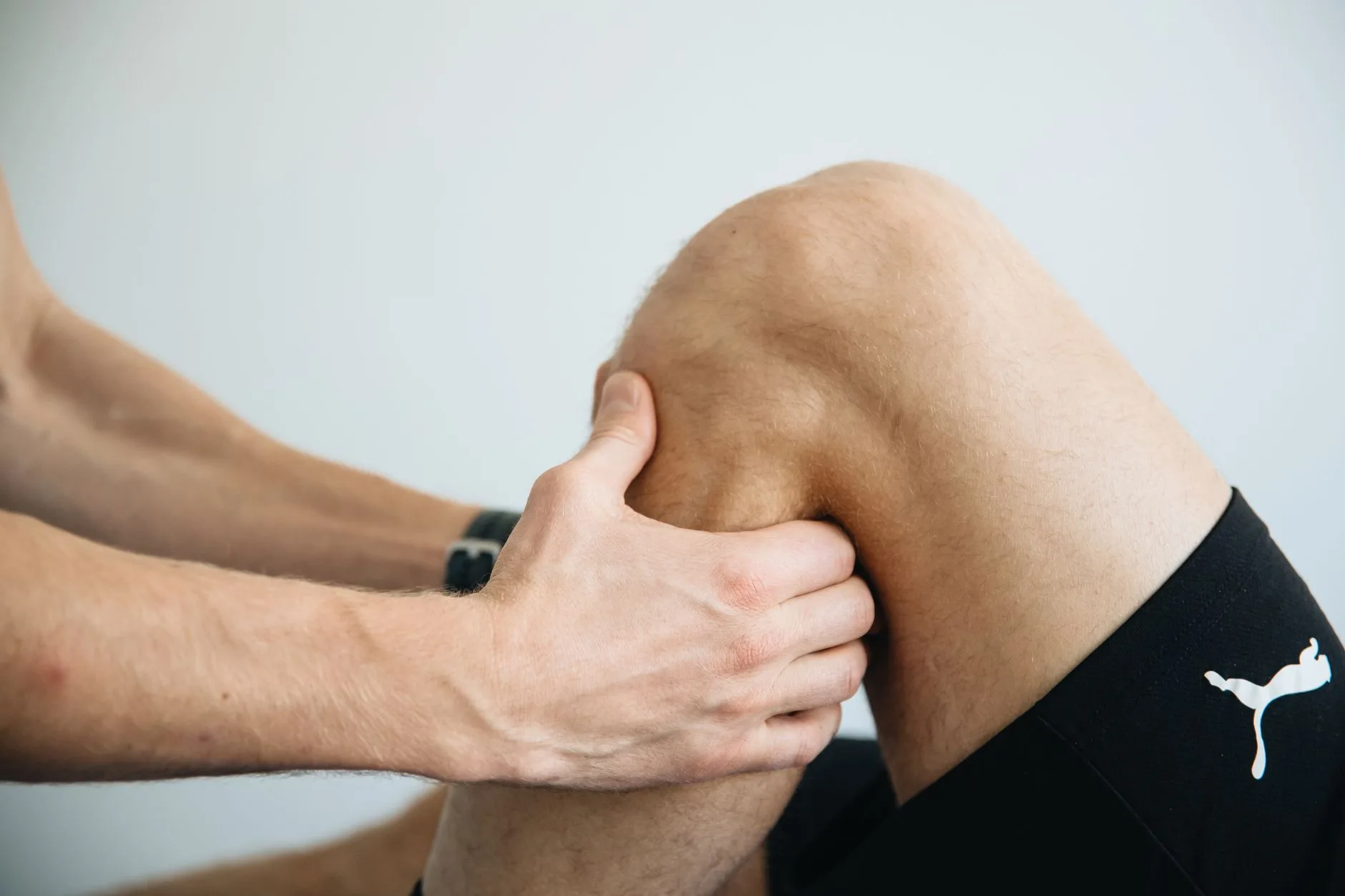
Photo by Funkcinės Terapijos Centras on Pexels
You’re three miles into a run that felt fine yesterday, and now there’s a dull ache on the outside of your knee, or maybe behind the kneecap, and you’re doing the mental math on whether to push through or walk home. If you’ve Googled “knee pain when running” at 6am with your shoes still on, you already know the frustrating part isn’t the pain itself — it’s not knowing whether this is a one-off niggle or the start of three weeks off.
Here’s the first thing worth knowing: knee pain is one of the most common running complaints, and most cases aren’t structural damage. They’re overload. Your knee is telling you that something — training load, mechanics, strength, or footwear — has asked more of it than it’s currently prepared to give. That’s annoying, but it’s also fixable, and it rarely means you need to stop running forever.
This isn’t a substitute for seeing a physio if pain persists beyond two weeks or gets worse during a run rather than better. But before you book that appointment (or instead of panicking before you do), here’s what’s usually going on, what you can do about it this week, and how to stop it becoming a recurring guest in your training.
The usual suspects: what’s actually causing your knee pain
Most running-related knee pain falls into a handful of categories. Knowing which one you’ve got changes what you do next.
Patellofemoral pain syndrome (runner’s knee) — a dull ache around or behind the kneecap, often worse going downstairs or after sitting for a while. This is the most common one. It’s usually linked to how your kneecap tracks in its groove, which is influenced by hip and quad strength, not just “bad knees.”
Iliotibial band syndrome (ITBS) — sharp pain on the outside of the knee, typically showing up at a predictable distance (say, always at 4km) and easing once you stop. This is a classic overuse pattern, often tied to a sudden jump in mileage or too much downhill running.
Patellar tendinopathy (jumper’s knee) — pain just below the kneecap, often worse at the start of a run, easing as you warm up, then returning afterwards. Common in runners who’ve added hill work or speed sessions quickly.
Meniscus or ligament issues — less common from running alone, but worth ruling out if there’s swelling, locking, instability, or pain from a specific twisting incident rather than a gradual build-up.
The pattern matters more than the location alone. Pain that’s sharp, swells significantly, or causes your knee to give way needs a clinician, not a blog post — the NHS has clear guidance on when knee pain needs urgent assessment that’s worth checking if you’re unsure.
Why your knee hurts: the real underlying causes
“Running causes knee pain” is one of the most persistent and least useful myths in this sport. Research consistently shows that recreational running is not linked to higher rates of knee osteoarthritis than being sedentary — if anything, moderate running appears protective for joint health over the long term. So if a well-meaning relative has told you running will “wreck your knees,” they’re working from outdated information.
What actually causes knee pain in runners tends to be one or more of these:
- Too much, too soon — increasing weekly mileage by more than roughly 10% in a week, or adding speed and hills in the same week you increased volume
- Weak hips and glutes — if your glute medius can’t stabilise your pelvis, your knee compensates with poor tracking, stride after stride
- Worn-out or wrong shoes — shoes past 500–700km of use lose cushioning and support; shoes that don’t match your gait can shift load onto the knee
- Running on a camber or always the same direction on a track, loading one side more than the other
- Returning after time off and running at your old pace and distance, when your tissue capacity has dropped
Shoes come up a lot in this conversation, and they’re worth getting right — if you overpronate, our guide to running shoes for overpronation covers what actually matters versus what’s marketing.
What to do right now: the first 7–10 days
If you’ve got knee pain today, here’s a realistic plan — not “rest completely and hope,” and not “run through it.”
- Drop intensity, not necessarily all volume. Switch hard sessions to easy, conversational-pace runs for a week. If pain is present even at easy pace, drop to walking or cross-training.
- Use the 24-hour rule. If pain is the same or worse the day after a run, you’re not ready to repeat that session. If it’s settled, you can try again, slightly shorter.
- Ice for 15 minutes after running if there’s swelling or sharp pain — this manages symptoms, it doesn’t fix the cause, but it buys you comfort while you address the actual issue.
- Start hip and glute work now, not after you’re pain-free. Glute bridges (3 sets of 15), clamshells (3 sets of 12 each side), and single-leg sit-to-stands (3 sets of 10 each leg) target exactly the muscles that stabilise your knee.
- Check your mileage jump. If you increased distance or added hills in the last two weeks, that’s very likely your answer.
| Symptom pattern | Likely cause | What helps first |
|---|---|---|
| Ache around kneecap, worse on stairs | Patellofemoral pain | Hip/glute strength, reduce hill volume |
| Sharp outer knee pain at a set distance | ITBS | Reduce mileage, strengthen hips, vary routes |
| Pain below kneecap, worse at run start | Patellar tendinopathy | Reduce speed/plyo work, gradual reloading |
| Swelling, locking, instability | Possible structural issue | See a physio or GP before continuing |
Prevention: the boring stuff that actually works
Nobody wants to hear that the fix is unglamorous, but it is.
Progress mileage gradually. The 10% rule isn’t gospel, but it’s a reasonable ceiling for most recreational runners. If you’re following a structured plan — like our 12-week half marathon training plan for beginners — the built-in progression exists precisely to protect your knees from this kind of overload.
Strength train twice a week, even for 20 minutes. Squats, step-ups, single-leg deadlifts, and calf raises build the capacity your knee needs to tolerate repeated impact. This isn’t optional “extra credit” — for anyone who’s had recurring knee pain, it’s the single highest-leverage change available.
Replace your shoes on schedule. Track your mileage, not just the calendar. A shoe used three times a week will wear out faster than the same model used once.
Warm up properly before faster efforts. Cold, stiff tissue handling sudden speed or hills is a common trigger. A proper warm-up takes five minutes and meaningfully reduces load-related pain.
Vary your routes and surfaces where you can — constant camber or constant hard pavement in one direction loads the same structures the same way, every single time.
When walk breaks and cross-training are your friend, not your failure
If you’re nursing a knee that’s not quite right, this is not the moment to be a hero. Cross-training — cycling, swimming, the elliptical — maintains fitness while giving knee-loading tissue a break. Our guide to cross-training for runners has specific session ideas that won’t leave you starting from zero when you return.
Walk-run approaches aren’t a consolation prize either. Reducing continuous impact while keeping your legs moving is a legitimate, evidence-informed way to keep training during a flare-up. Plenty of marathoners use planned walk breaks throughout training, not just during injury recovery.
When to actually see someone
See a physio or GP if:
- Pain persists beyond two weeks despite reduced load
- Pain gets worse during the run rather than settling in
- There’s visible swelling, warmth, or the knee feels unstable
- You’re altering your gait to avoid pain (this creates new problems elsewhere — hip and lower back pain often follow)
A physio assessment usually costs less than the frustration of guessing wrong for another month. If you’ve had an injury story before — recovering from something like Achilles trouble, for example — you’ll know that returning to running after tendon issues requires the same patience: build back gradually, not back to where you left off.
The Honest Takeaway
- Most knee pain in runners is overload, not damage — check your last two weeks of mileage and intensity before assuming the worst.
- Start hip and glute strength work this week, not after the pain resolves — two sessions of 20 minutes is enough to matter.
- Use the 24-hour rule: if pain is worse the next day, you weren’t ready for that session, so scale back and try again smaller.
- Don’t wait longer than two weeks of persistent pain before seeing a physio — early assessment is cheaper and faster than guessing.
- Running doesn’t wreck healthy knees. Poor progression, weak hips, and worn shoes do. Fix those, and you’re very likely still running next year.
Next read: Best warm-up exercises before running