How to run a 5k without stopping: the complete guide
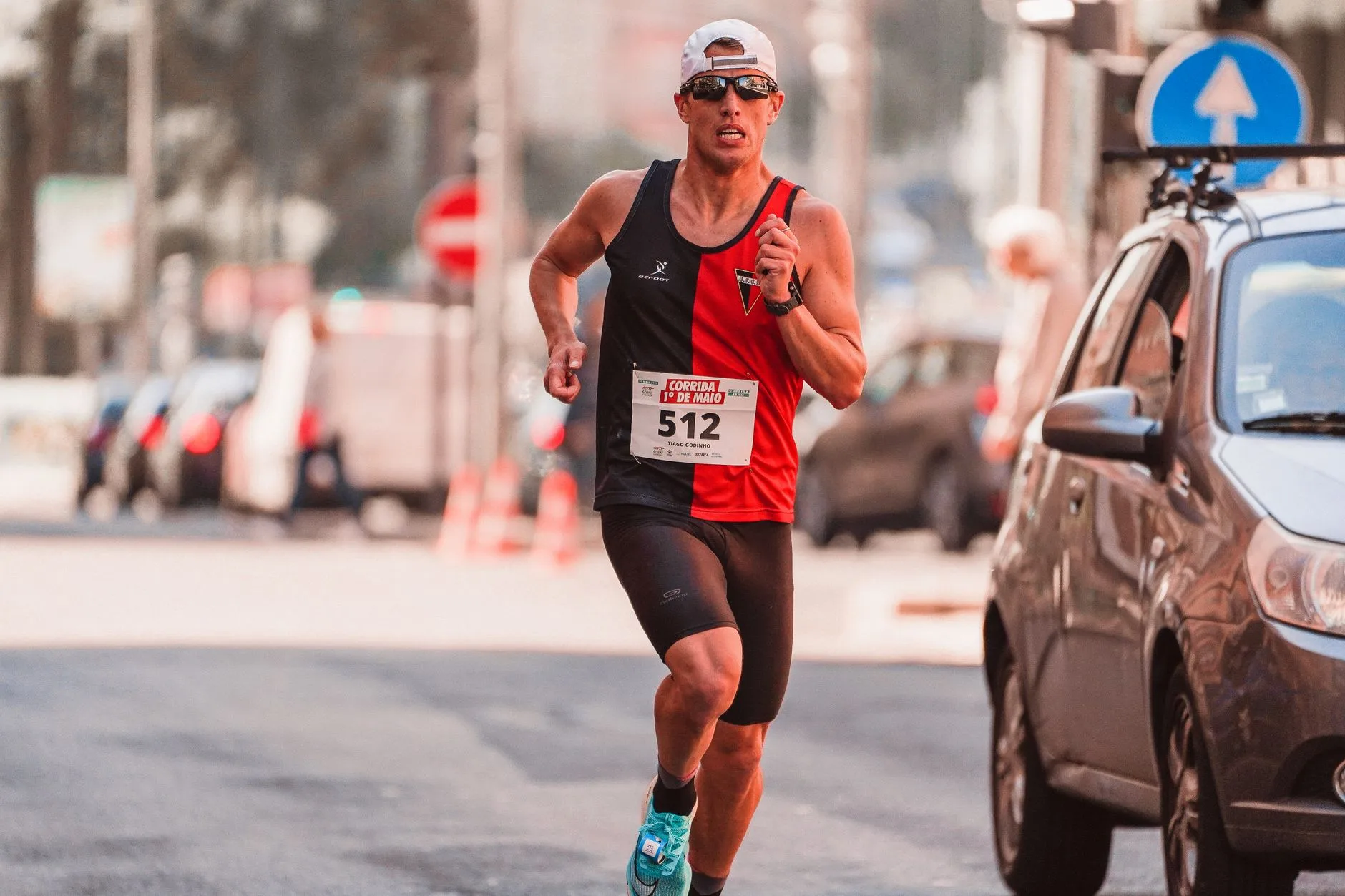
A practical, no-nonsense guide to running a 5k without stopping — pacing, breathing, walk-run plans and what to do when it gets hard.
 Claire Matthews
A practical, no-nonsense guide to running a 5k without stopping — pacing, breathing, walk-run plans and what to do when it gets hard.
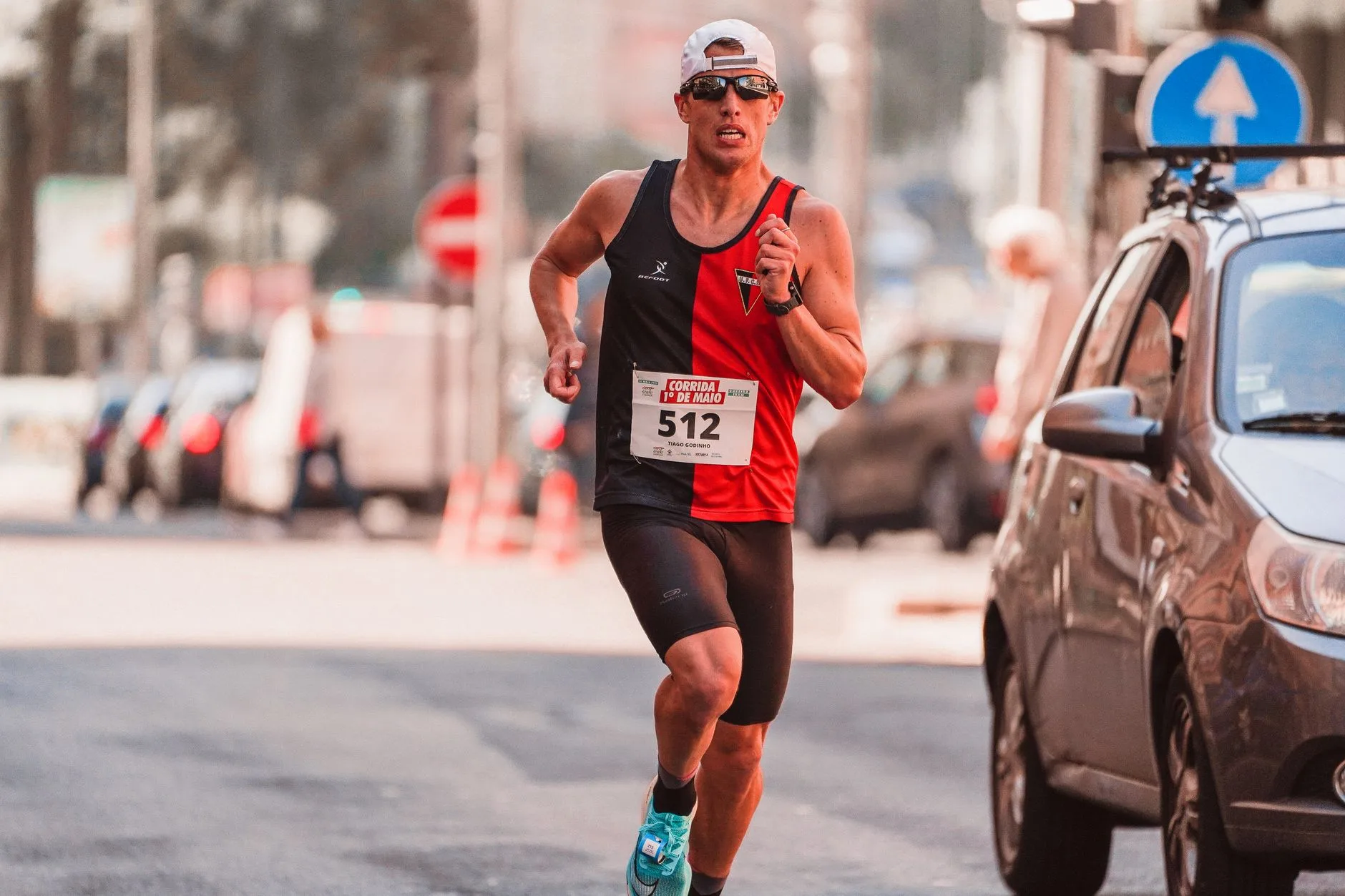
What actually happens week by week on Couch to 5K — sore legs, walk breaks, plateaus — and how to get through it, realistically.
A realistic, month-by-month look at how does running change your body over time — heart, lungs, bones, weight, and what to actually expect.

A practical guide to layering for winter running in the UK — what to wear at 5°C, 0°C, and in rain, wind or ice, without overheating or freezing.

The best sports bras for running, tested against real high-impact sessions — what encapsulation vs compression actually means for your chest.

Cross training for runners cycling swimming and yoga: what each one actually does for your running, how often, and how hard to go.
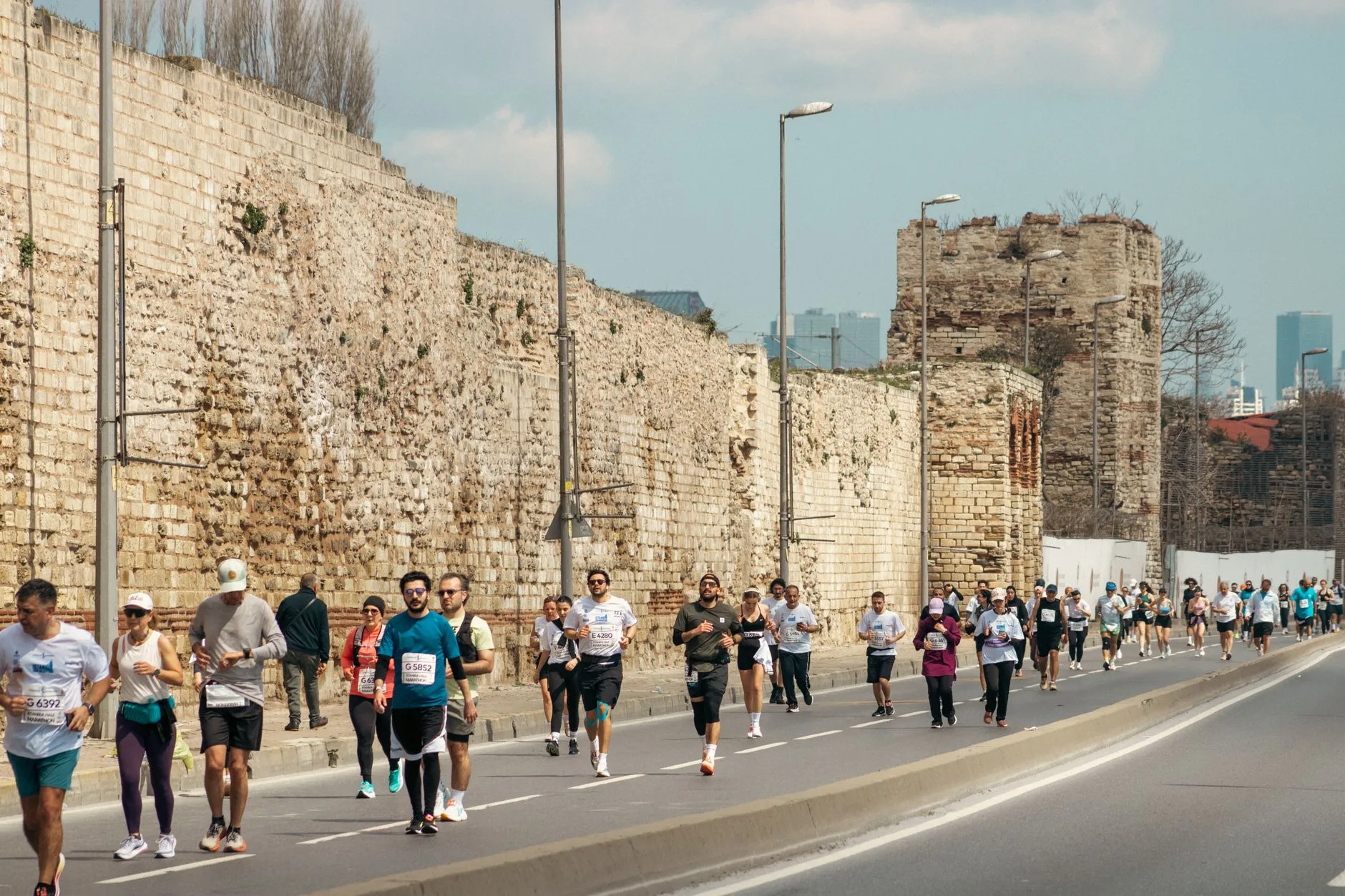
Learn how to avoid hitting the wall in a marathon with real pacing, fuelling and training strategies built for everyday runners, not elites.

Heart rate training zones for runners explained simply — what each zone means, how to find yours, and how to use them without a lab test.

A 10-minute foam rolling routine for runners post run — exact areas, timing, and pressure, built for tired legs and real schedules.
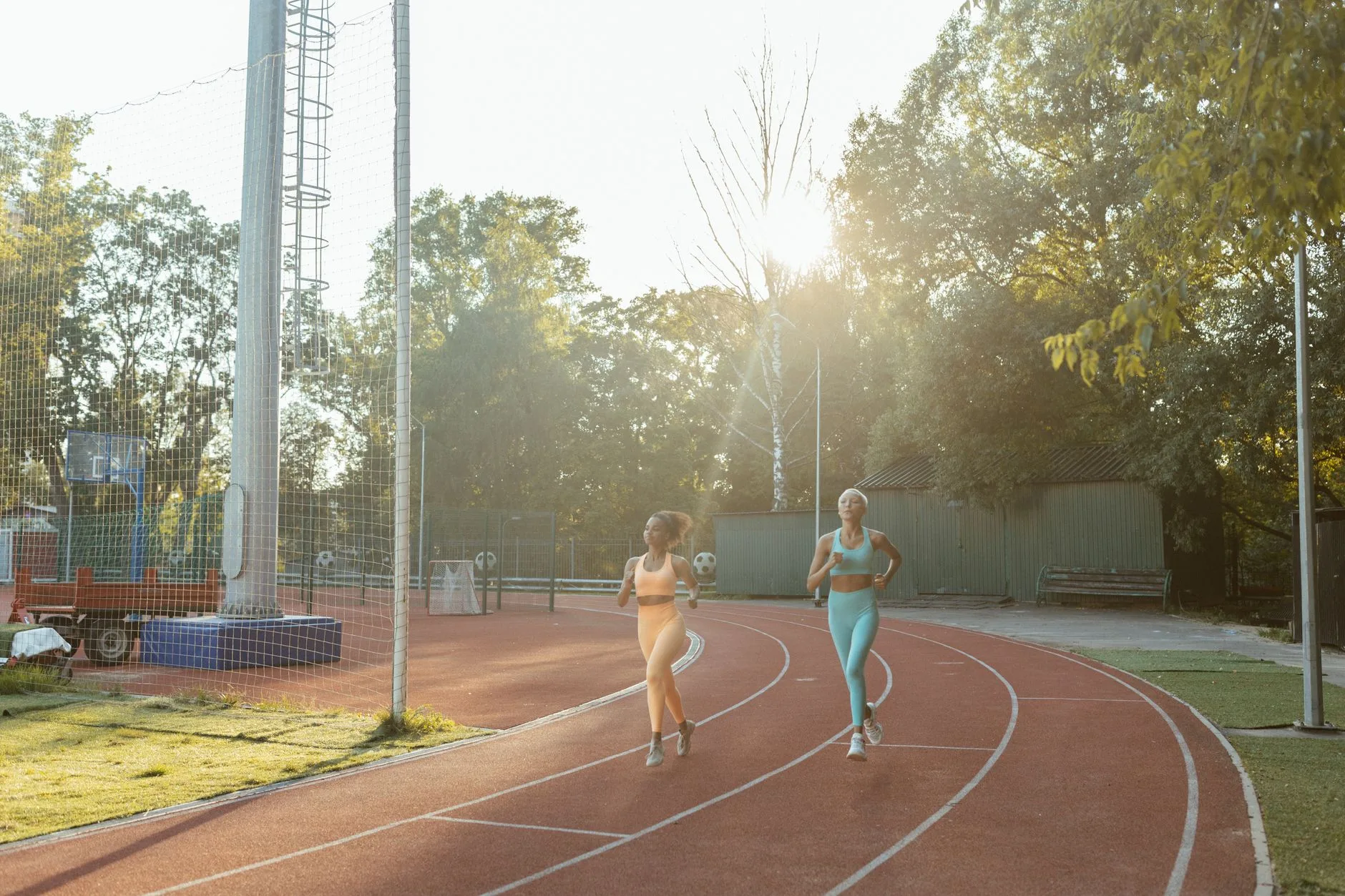
The real benefits of running every day, the actual injury risk, and how to decide if daily running suits your body and schedule.