Barefoot running: pros, cons, and how to start safely

Thinking about barefoot running? Here’s the honest pros and cons, plus a realistic transition plan that won’t leave you injured.
 Claire Matthews
Thinking about barefoot running? Here’s the honest pros and cons, plus a realistic transition plan that won’t leave you injured.

A realistic 5k training plan for absolute beginners, 8 weeks, 3 runs a week. No prior fitness needed, just consistency and a bit of patience.
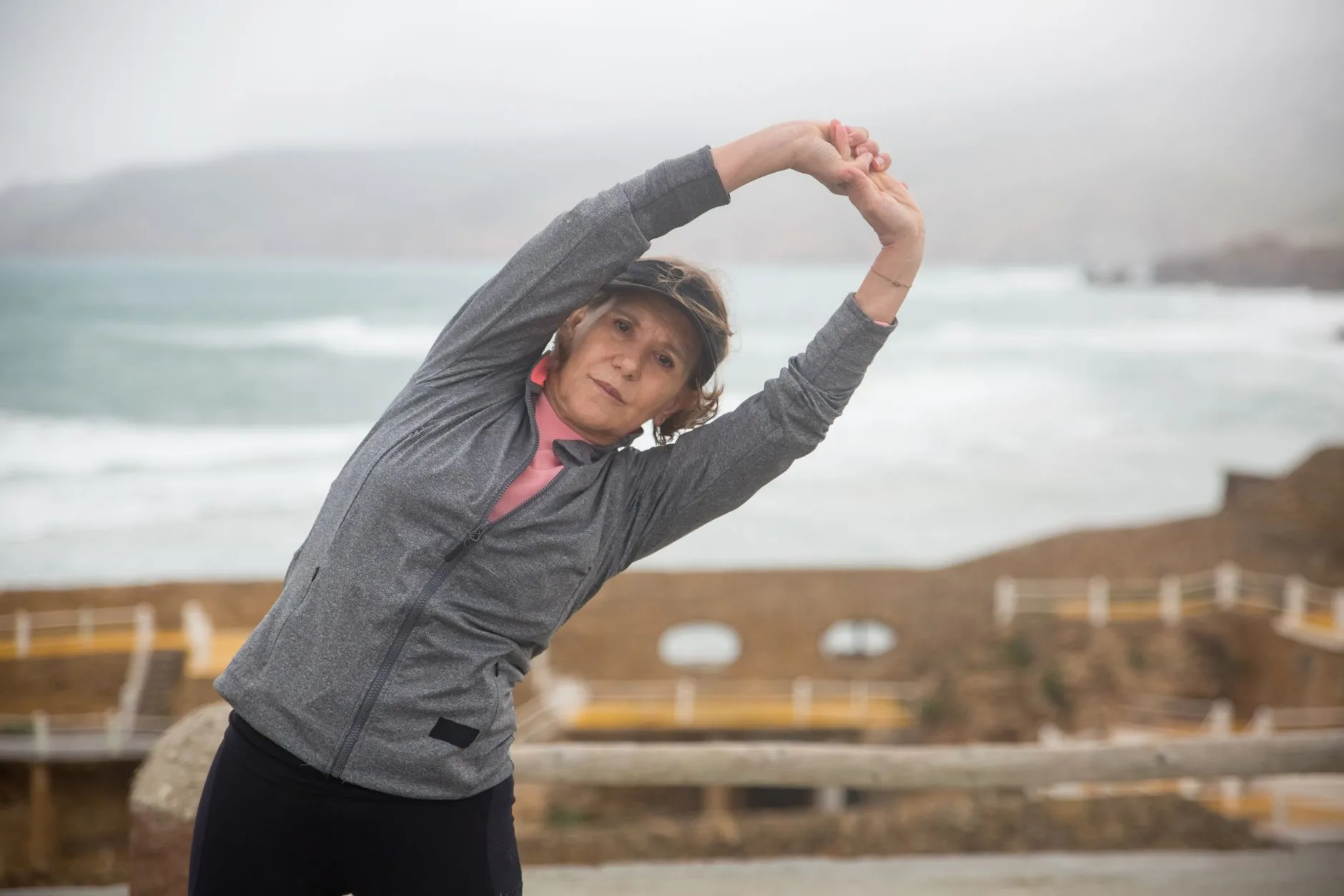
A practical guide to strength training for runners over 50 — what to lift, how often, and why it matters more than another easy run.

Practical running with type 2 diabetes blood sugar tips — timing, testing, food, and what to do when a run doesn’t go to plan.

Practical tips for running with a dog on road and trail — pacing, hydration, gear, and how to build up mileage safely for both of you.

Running in your 60s and 70s? Here’s how to adjust pace, recovery and strength work to keep running strong, injury-free, for years.

Running and mental health, without the hype: what research actually supports, what it doesn’t, and how to use running realistically for your mood.

This paris marathon guide for first time runners covers pacing, cobblestones, fueling and race day logistics.

A practical new york marathon guide for first time runners — training, pacing, logistics, and the mistakes that ruin otherwise good race days.

When running gets brutal, your mind quits before your legs do. Here are proven mental strategies to push through hard miles — practical, specific, and honest.