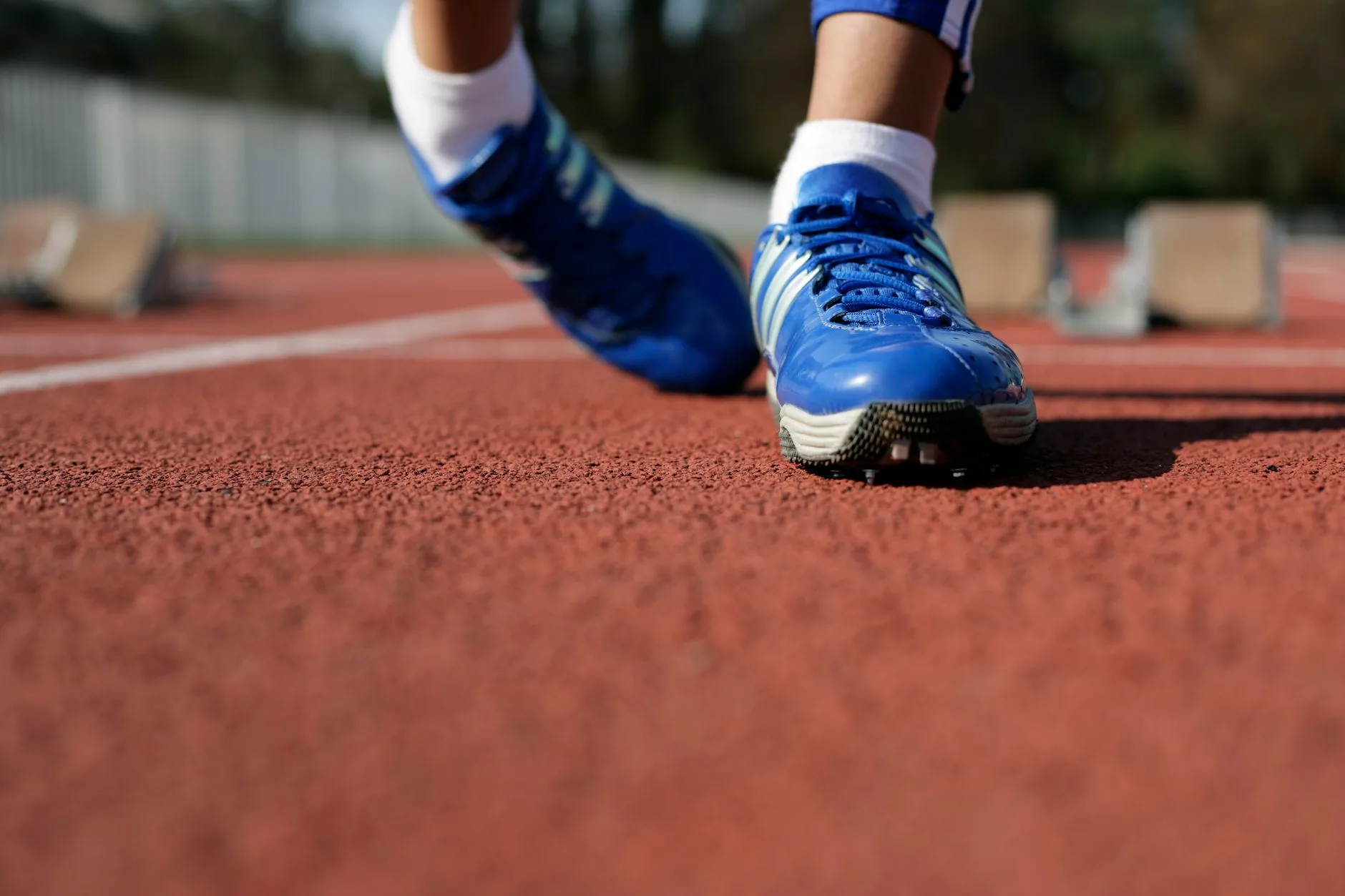
Photo by BOOM 💥 Photography on Pexels
You’ve seen the videos. Someone sprinting along a beach, or doing strides on grass in bare feet, captioned with something about “reconnecting with your natural stride.” Maybe you’ve read that cushioned shoes are why your knees ache, or that humans ran for millions of years without a £140 pair of trainers, so why do you need one now.
Some of that is true. Most of it is oversimplified. Barefoot running isn’t a scam and it isn’t a miracle — it’s a training tool that works for some runners, in some conditions, when it’s introduced properly. The problem is almost nobody introduces it properly. They watch a documentary, chuck their shoes in the cupboard, run 5km on Tuesday, and are googling “sharp pain in arch of foot” by Thursday.
This piece isn’t going to tell you to switch to barefoot running. It’s going to tell you honestly what it does and doesn’t do, who it actually suits, and — if you still want to try it — how to do it without wrecking your calves in week one.
What “barefoot running” actually means
Most people who say “barefoot running” aren’t running fully barefoot on roads. They mean one of three things, and they’re not the same:
- True barefoot — no footwear at all, usually on grass, sand, or a track.
- Minimalist/barefoot-style shoes — thin-soled shoes with little to no cushioning and a “zero drop” (the heel sits at the same height as the forefoot). Think Vibram FiveFingers or Vivobarefoot.
- Reduced-drop trainers — shoes with less cushioning and a smaller heel-to-toe drop than standard trainers (4mm instead of 10–12mm), but still with some protection.
People conflate these constantly. The research and the injury risks differ depending on which one you mean, so it’s worth being precise before you buy anything.
The genuine pros
There’s a reason barefoot running has stuck around as an idea rather than fading out as a fad. Some of the claimed benefits hold up:
It tends to shift you towards a midfoot or forefoot strike. Cushioned shoes make heel-striking comfortable, even easy. Take the cushioning away and your body naturally adjusts — you land softer, with a shorter stride, closer to your centre of mass. This isn’t inherently “better” (heel-striking isn’t actually wrong — more on that below) but for some runners it reduces the braking forces that come with overstriding.
It builds foot and lower-leg strength. Shoes with firm arch support and thick soles do some of the stabilising work your foot muscles would otherwise do. Strip that away and your intrinsic foot muscles, calves, and Achilles start working harder. Over time this can mean genuinely stronger feet — useful whether or not you ever race barefoot.
It improves proprioception. You feel the ground. That sensory feedback can improve balance and adaptability on uneven surfaces, which matters more than people think for trail runners and for older runners working on stability.
It’s cheap and simple. No gait analysis, no £160 super shoes, no debate about stack height. Just feet.
The honest cons
This is where the barefoot evangelists tend to go quiet, so let’s not.
The injury risk during transition is real and well documented. The biggest shift in load goes to your Achilles tendon, calf muscles, and the small bones and connective tissue in your foot. These structures adapt slowly — weeks to months — while your cardiovascular fitness lets you run further than your feet are ready for. This mismatch is the single biggest cause of barefoot-related injury: your lungs say “that felt easy,” your plantar fascia says otherwise.
No protection means no protection — literally. Glass, stones, thorns, hot pavement, cold ice. On a UK trail or towpath, this isn’t a small consideration.
It’s genuinely unsuitable for some runners. If you have diabetes, peripheral neuropathy, Raynaud’s, or any condition that reduces sensation in your feet, barefoot running isn’t a style choice — it’s a risk, because you may not feel damage happening. Anyone recovering from Achilles tendinopathy should be especially cautious here; if that’s you, it’s worth reading up on Achilles tendinopathy and whether you can keep running before experimenting with anything that increases load on that tendon.
The “cushioned shoes cause injury” claim is weaker than the hype suggests. This is the one that gets misquoted most. The honest summary: foot strike pattern and footwear type have not been shown to reliably predict injury risk on their own. Runners get injured in minimalist shoes too — often more, especially in year one, because of transition speed rather than the shoes themselves. If someone tells you switching shoes is a guaranteed fix for your knee pain, be sceptical.
Pros and cons at a glance
| Barefoot / minimalist | Standard cushioned shoes | |
|---|---|---|
| Foot/calf strength | Builds over time | Less demand on intrinsic muscles |
| Ground feedback | High | Low to moderate |
| Protection from terrain | None to minimal | Good |
| Injury risk during transition | High if rushed | Lower, but overstriding risk remains |
| Suitable for diabetic/neuropathy | No | Yes |
| Cost | Low | Moderate to high |
| Best suited to | Grass/track strides, short sessions | Most road and trail running |
Who this actually suits
Be honest with yourself here. Barefoot or minimalist running tends to work well for:
- Runners doing short strides or drills on grass as a supplement to normal training, not a replacement for it
- Runners with healthy, uninjured feet and ankles, and no history of stress fractures
- Runners willing to go slowly — we’re talking months, not weeks, for a full transition
- People who already have decent calf and foot strength from other activities (hiking, dance, martial arts)
It tends to work poorly for:
- Anyone currently nursing a lower-leg injury
- Anyone training for a race in the next 8–12 weeks (this is not the time to experiment)
- Anyone with reduced foot sensation
- Runners who’ve had stress fractures in the foot or shin before
If you fall into that second group, your energy is better spent on things with a stronger evidence base — consistent mileage, strength work, and a proper warm-up before running — rather than changing your footwear entirely.
How to start safely, if you want to try it
If you’ve read all that and still want to give it a go, here’s a transition that respects how slowly tendons and bones adapt.
Weeks 1–2: 5–10 minutes barefoot on grass, after a normal run, not instead of one. Walking and light jogging only. This is about introducing load, not training.
Weeks 3–4: Increase to 10–15 minutes, 2–3 times a week. Still on soft, forgiving surfaces — grass or a rubberised track, never road or pavement yet.
Weeks 5–8: If no soreness beyond normal muscle fatigue (a tired calf is fine; a sharp ache in your arch or Achilles is not), start introducing minimalist shoes for short easy runs — 2–3km at a time, still on soft surfaces where possible.
Month 3 onwards: If you want to progress to longer minimalist or barefoot-adjacent running, increase volume by no more than 10% a week, the same conservative rule that applies to any training load increase. This is a good moment to treat the whole thing like base building — slow, unglamorous, and the part most people skip because it doesn’t feel like progress.
Throughout: stop immediately if you feel sharp, localised pain in the arch, heel, or Achilles. Dull general fatigue is expected. Sharp pain is not. The NHS guidance on looking after your feet is a reasonable baseline for anyone making a big change to footwear or foot-loading habits.
The Honest Takeaway
- Barefoot running is a legitimate training tool, not a cure for bad running form or a replacement for proper shoes in most of your weekly mileage.
- The injury risk isn’t in barefoot running itself — it’s in rushing the transition while your cardio fitness outpaces your tendon and bone adaptation.
- Keep it as a supplement: grass strides, short drills, maybe 10–15% of your weekly volume at most once you’re adapted — not your main training surface.
- If you have diabetes, neuropathy, a recent lower-leg injury, or a race in the next few months, skip it for now. There’s no deadline on trying this.
- Tomorrow morning, if you’re curious: five minutes barefoot on grass after your normal run. That’s it. Not a 5k. Five minutes.
Next read: Best running shoes for beginners: how to choose the right pair