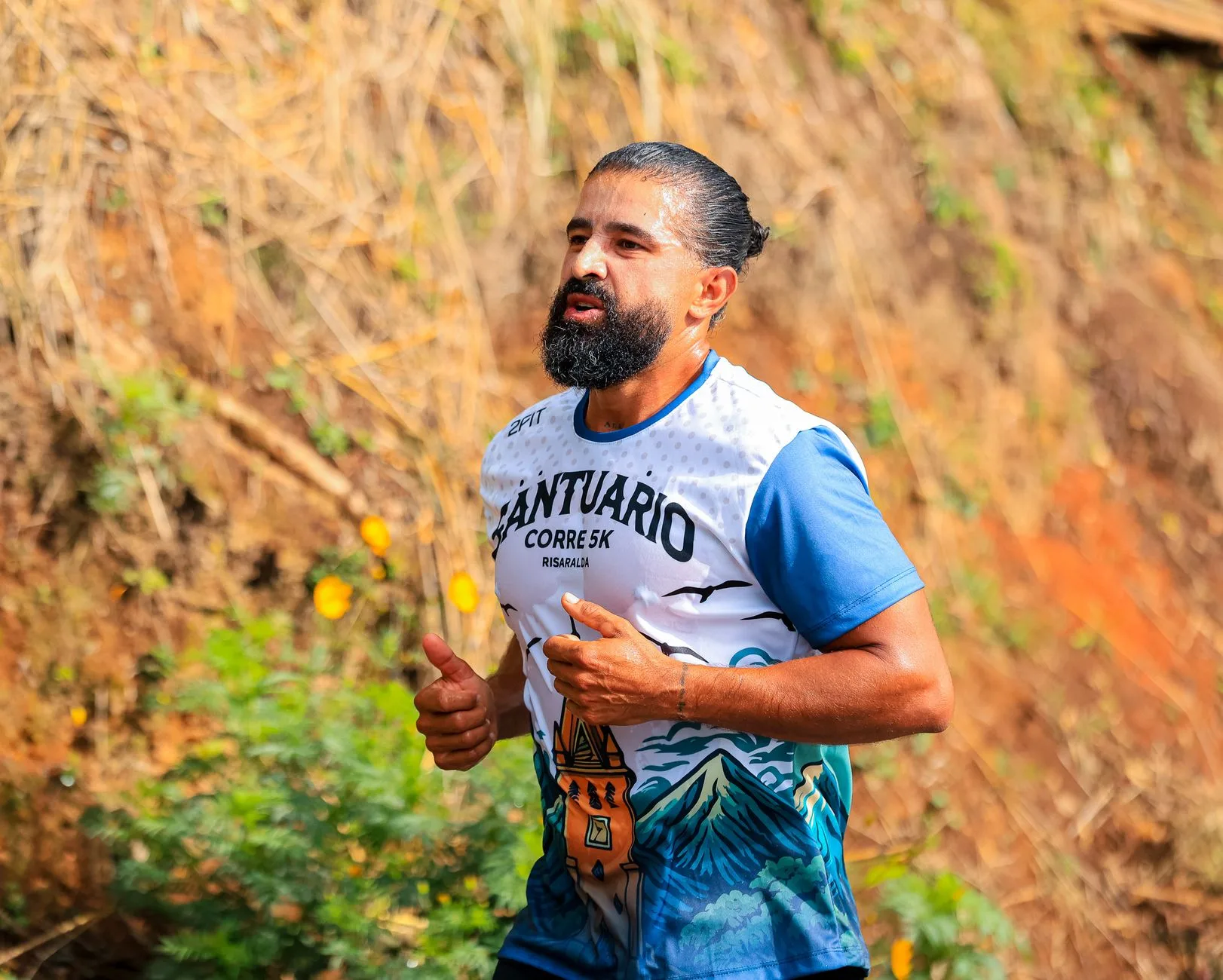
Photo by CRISTIAN CAMILO ESTRADA on Pexels
You can’t run for more than about 90 seconds without needing to stop. Maybe it’s been years since you ran anywhere, or maybe you’ve never really run at all — PE lessons you dreaded, a few false starts in your twenties, a New Year’s resolution that fizzled out by February. Whatever brought you here, you’re now looking at “5K training plan” and wondering if that’s a typo, because 5 kilometres sounds like something other people do.
It isn’t. It’s 3.1 miles, and almost everyone who can walk briskly for 30 minutes can build up to running it within 8 weeks — not by white-knuckling through pain, but by following a plan that’s boring in the best way: predictable, gradual, and built on walk breaks you’re allowed to use from day one.
This plan assumes nothing about your current fitness except that you can walk comfortably for half an hour and you don’t have an injury that a GP or physio has told you to rest. If that’s you, you’re the exact person this is for.
Why 8 weeks (and not less)
Your cardiovascular system adapts fast — your heart and lungs could probably handle a 5k in two or three weeks. Your tendons, ligaments and joints adapt much slower. This is the gap that causes most beginner injuries: your motivation outpaces your connective tissue. Eight weeks gives your body time to catch up to your enthusiasm, with each week adding roughly 10% more running time than the last — a rough but useful ceiling for increasing load without inviting shin splints or knee pain.
Three runs a week is the backbone of this plan, with rest or easy walking in between. If you can only manage two weeks some weeks, you’ll still get there — it’ll just take 9 or 10 weeks instead of 8. That’s fine. There’s no prize for finishing on exactly week 8, only for finishing.
The 8-week plan, week by week
Each run follows a run/walk structure. Pace doesn’t matter here — effort does. Running should feel like a 5 or 6 out of 10, somewhere you could hold a slightly broken conversation but wouldn’t choose to.
| Week | Session (3x/week) | Total run time per session |
|---|---|---|
| 1 | Run 1 min / walk 2 min, x8 | 8 min running |
| 2 | Run 2 min / walk 2 min, x6 | 12 min running |
| 3 | Run 3 min / walk 2 min, x5 | 15 min running |
| 4 | Run 5 min / walk 2 min, x4 | 20 min running |
| 5 | Run 8 min / walk 2 min, x3 | 24 min running |
| 6 | Run 12 min / walk 2 min, x2 | 24 min running |
| 7 | Run 20 min / walk 1 min, x1, then run 5 min | 25 min running |
| 8 | Run 28–32 min continuous (your 5k) | Race day |
Rest a day between each session where possible. If a session feels genuinely too hard — not “a bit tough” but “my shins are shouting” — repeat the previous week rather than pushing on. Nobody is grading your progress against a calendar.
What “easy effort” actually means
This is the part beginners most often get wrong, and it’s the single biggest reason people quit in week 3. Easy means slow. Slower than feels like “proper running.” If you’re running with someone and they comment that you’re basically jogging — good, you’re doing it right.
A rough guide: if you can’t say a full sentence out loud while running, you’re going too fast. Slow down until you can. Most beginners are running their easy sessions at an effort more suited to a 5k time trial, which burns them out by the third week and makes every session feel like a fight. The Couch to 5K method, which this plan borrows heavily from, exists precisely because run/walk intervals at a genuinely easy pace work better than continuous running attempted too soon — the NHS’s own Couch to 5K programme is built on the same principle.
If you want more structure or audio coaching through the walk/run intervals, it’s worth reading our guide on the best running apps for beginners in the UK, several of which include an 8-week 5k programme built in.
Kit that actually matters (and what doesn’t)
You don’t need much for a 5k plan. You do need the following two things to not be negotiable:
- Shoes that fit your foot shape and aren’t 5 years old. Trainers that were fine for walking the dog can cause blisters or shin pain under running load. If you’re not sure where to start, our breakdown of the best running shoes for beginners in the UK covers what actually matters versus what’s marketing.
- A sports bra that fits properly, if relevant to you. This is not optional kit — it’s the difference between running being tolerable and being miserable.
Everything else — GPS watches, compression socks, specific running leggings — is nice to have, not necessary. Don’t let kit shopping become a form of productive procrastination that delays the actual running.
Dealing with the week you don’t want to run
Somewhere around week 4 or 5, you’ll have a week where work is mad, a kid is ill, or you just don’t want to. This is normal and universal — it happens to marathoners too, not just beginners. The plan survives this. What doesn’t survive it is trying to “make up” missed sessions by doubling up or adding extra runs — that’s how niggles turn into injuries.
If you miss a week entirely, repeat the previous week’s sessions rather than jumping ahead. If you miss one session in a week, just pick the plan back up at the next scheduled one. The 10% rule matters more than the calendar does.
Common mistakes that derail beginners
A few patterns show up again and again in people starting from zero:
- Running every day instead of 3x/week. More isn’t better here — your body needs the rest days as much as the running days to adapt.
- Skipping the walk breaks once running “feels easy.” The walk breaks are part of the training stimulus, not a failure. Even experienced runners use them in long sessions — see our piece on easy run vs recovery run for how pacing and intent change session to session.
- Comparing your pace to someone else’s. Nobody in this plan is being timed except by themselves, and even that’s optional until race day.
- Ignoring consistent, mild knee or shin discomfort. A little muscle fatigue is normal. Sharp pain, or pain that’s worse at the start of a run than the end, isn’t — stop and reassess rather than push through.
The Honest Takeaway
- Start this week with week 1, even if it feels embarrassingly easy — that’s the point, not a flaw.
- Three sessions a week, rest days in between, walk breaks included — don’t add extra runs to speed things up.
- If a week goes badly, repeat it rather than skip ahead. The order matters more than the date you finish.
- Slow down more than you think you need to on the running intervals — “conversational” is the actual target pace, not an afterthought.
- On race day — whether that’s a real 5k event or just you and a stopwatch — the goal is to finish running, not to finish fast. Both count. Neither requires you to have ever called yourself “a runner” before this week.