Running in the Heat: Tips and Safety Advice
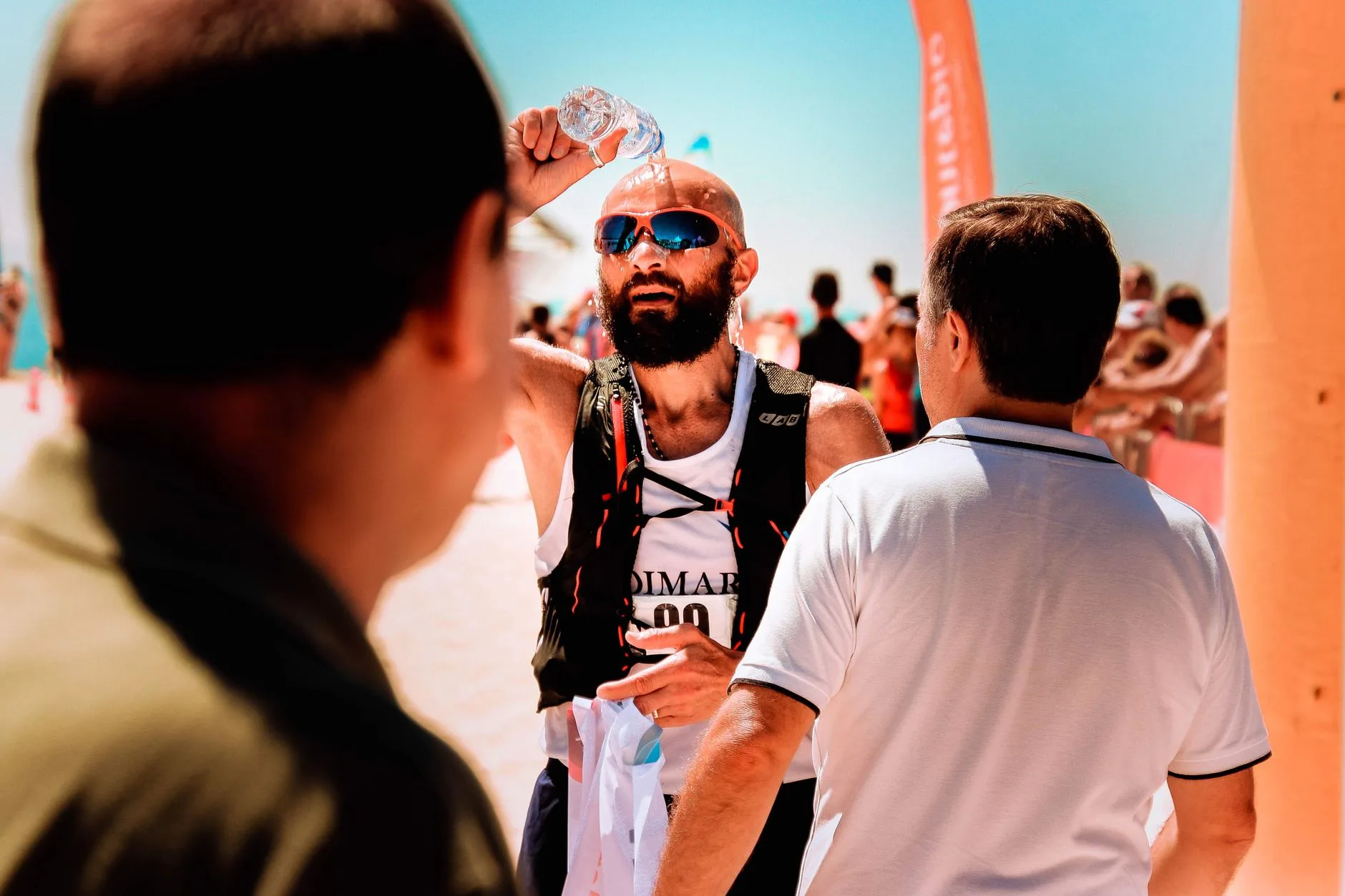
Running in hot weather stresses the body significantly more than cool conditions. Here’s how to adapt your training, stay safe, and maintain performance in the heat.
Running in hot weather stresses the body significantly more than cool conditions. Here’s how to adapt your training, stay safe, and maintain performance in the heat.

Running cadence is the number of steps per minute you take when running. Here’s what it means for your efficiency, how to measure it, and whether you should change yours.

Plantar fasciitis is painful and persistent. Here’s what causes it, how to treat it effectively, and how to prevent it coming back.

IT band syndrome is one of the most common running injuries. Here’s what causes it, how to treat it, and how to prevent it coming back.

Training for your first marathon is a 16–20 week commitment. Here’s what to expect, how to structure your training, and how to avoid the mistakes most first-timers make.

What should you eat on a long run? Here’s a practical guide to fuelling runs over 60 minutes — when to eat, what works, and how to avoid hitting the wall.

Tracking running progress helps you stay motivated, spot patterns, and train smarter. Here’s how to do it effectively — with or without expensive kit.
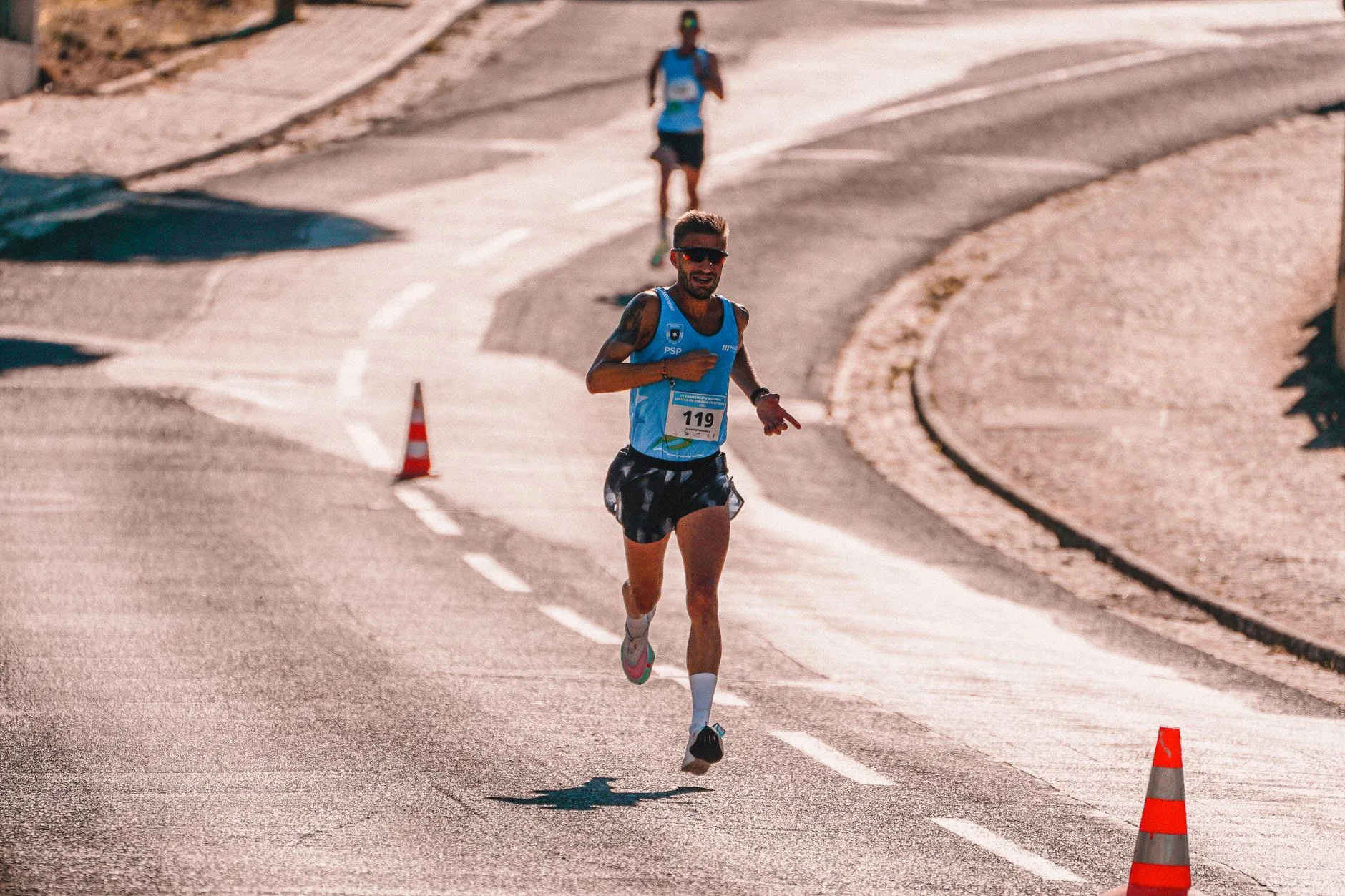
What should you eat after a marathon? Here’s what your body needs in the first 24–72 hours — and what to avoid — for the fastest possible recovery.

Starting running when overweight requires a slightly different approach. Here’s practical advice on getting started safely, protecting your joints, and building up gradually.

Getting faster at running requires specific training — not just more running. Here are the most effective ways to improve your pace as a beginner runner.